Happy Hanukkah in Hebrew: Greetings and What They Mean
To say happy Hanukkah in Hebrew, say Chanukah sameach (חנוכה שמח), pronounced KHAH-noo-kah sah-MAY-ahkh. You can also say Chag urim sameach (חג אורים שמח), "happy Festival of Lights," or the short Chag sameach (חג שמח), "happy holiday." In Yiddish, the classic greeting is A freilichen Chanukah.
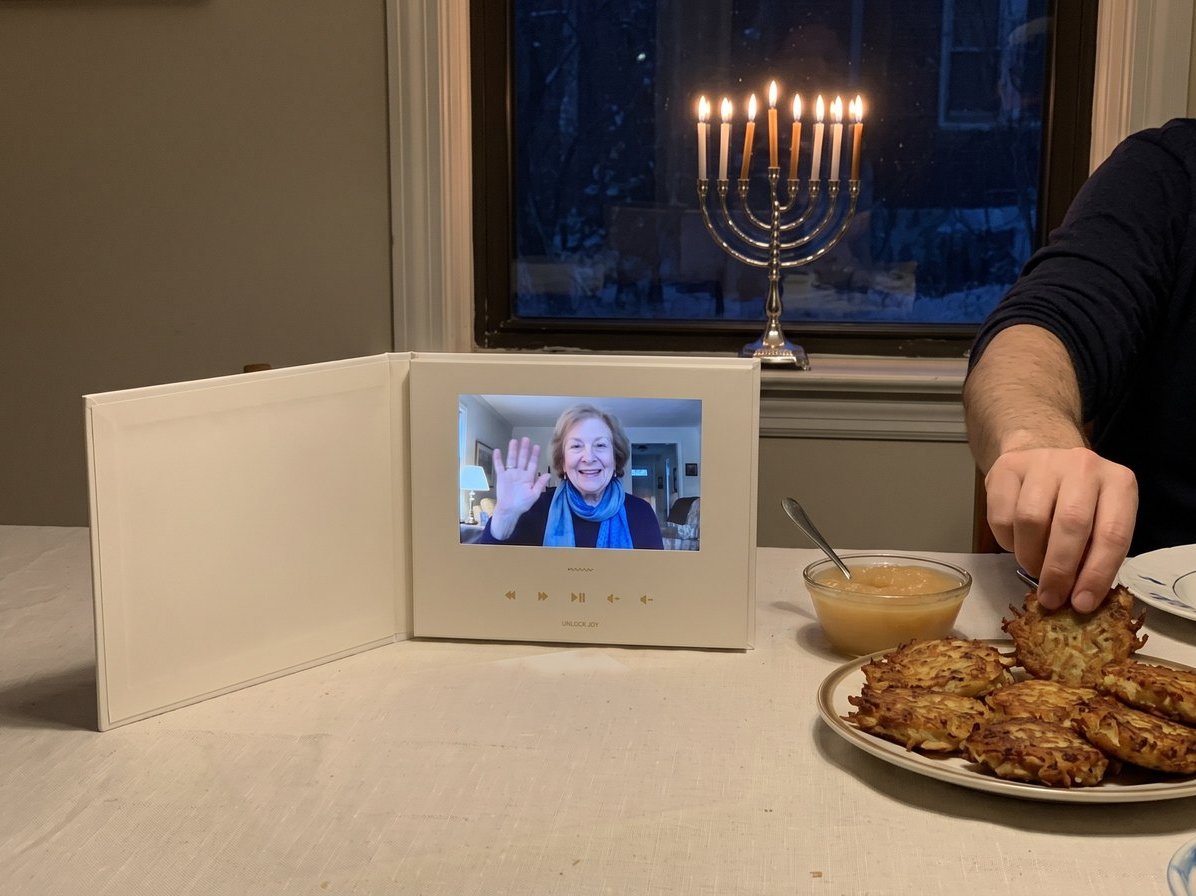
A note before the list: we make Tribute, the group video maker, and one of the ideas below is a way to send the greeting on video.
| Greeting | Hebrew or Yiddish | Say it like | Meaning |
|---|---|---|---|
| Chanukah sameach | חנוכה שמח | KHAH-noo-kah sah-MAY-ahkh | Happy Hanukkah |
| Chag Chanukah sameach | חג חנוכה שמח | KHAHG KHAH-noo-kah sah-MAY-ahkh | Happy Hanukkah holiday |
| Chag urim sameach | חג אורים שמח | KHAHG oh-REEM sah-MAY-ahkh | Happy Festival of Lights |
| Chag sameach | חג שמח | KHAHG sah-MAY-ahkh | Happy holiday |
| A freilichen Chanukah | א פרייליכן חנוכה | AH FRAY-likh-en KHAH-noo-kah | A happy Hanukkah (Yiddish) |
| A lichtigen Chanukah | א ליכטיגן חנוכה | AH LIKHT-ig-en KHAH-noo-kah | A light-filled Hanukkah (Yiddish) |
How do you say happy Hanukkah in Hebrew?
These are the common Jewish Hanukkah greetings you'll hear in synagogue, at a candle lighting or in the family group chat. Pronunciations follow Chabad's guide to Hanukkah greetings. The "ch" is the throaty sound at the end of "Bach," not the "ch" in "cheese."
1. Chanukah sameach (חנוכה שמח)
The everyday way to say happy Hanukkah in Hebrew. Chanukah is the name of the holiday and sameach means happy. Use it with anyone, from your rabbi to your neighbor's kids.
- Say it like: KHAH-noo-kah sah-MAY-ahkh
- When to use it: Any of the eight days, and in the week or two before
Best for: Everyone. It's the safe, warm default.
Why it works: Two words, easy to learn, and it sounds right in any setting.
2. Chag urim sameach (חג אורים שמח)
Chag means holiday or festival and urim means lights, so the phrase wishes someone a happy Festival of Lights. It's a little more poetic, and it nods to the menorah at the center of the holiday.
- Say it like: KHAHG oh-REEM sah-MAY-ahkh
- When to use it: Cards, toasts and the first night
Best for: A card or a message you want to feel a bit special.
Why it works: It names the light, which is what most people picture when they think of Hanukkah.
3. A freilichen Chanukah (א פרייליכן חנוכה)
This is the Yiddish greeting, the one many Ashkenazi grandparents grew up saying. Freilich means happy or joyful. If your family has Eastern European roots, saying it to Bubbe or Zayde will get a smile.
- Say it like: AH FRAY-likh-en KHAH-noo-kah
- When to use it: With older relatives and anyone who loves Yiddish
Best for: Grandparents, great-aunts and family friends.
Why it works: It carries the sound of the family kitchen, not the textbook.
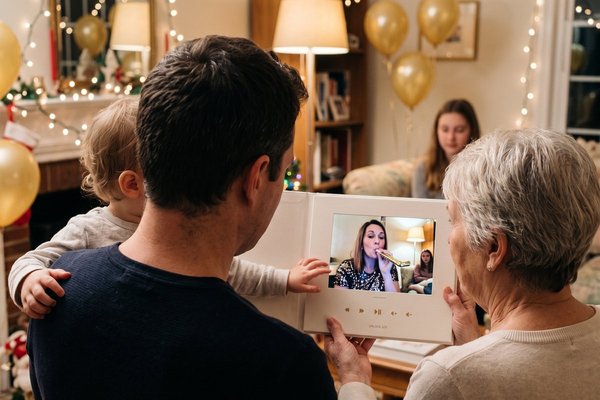
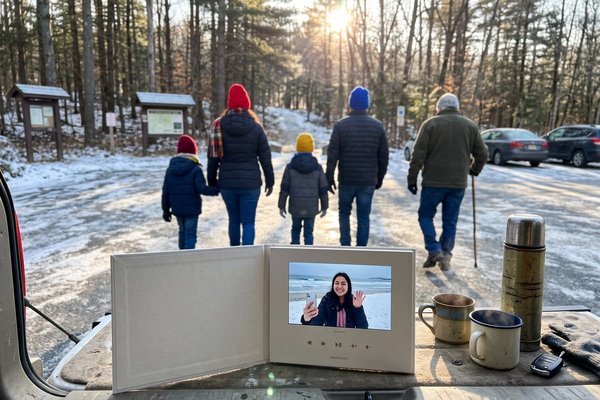
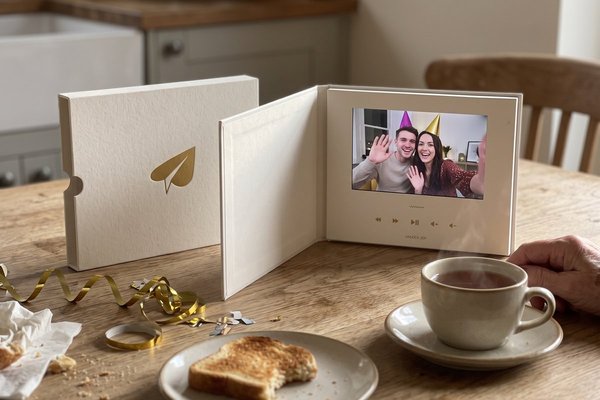
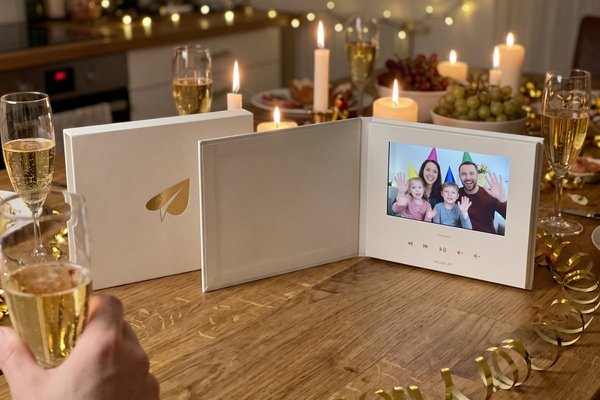
4. Say it together on video (a Tribute group video)
A greeting lands harder when it comes from thirty faces at once. Start a Tribute, ask each relative to record a short clip saying "Chanukah sameach" (the kids can try the Yiddish), and play the finished video on the first night. Tribute is a group video maker that turns messages from friends and family into one surprise video. It works by inviting everyone to record a short clip from their phone; Tribute compiles the clips, music and photos into a finished video you share or play together.
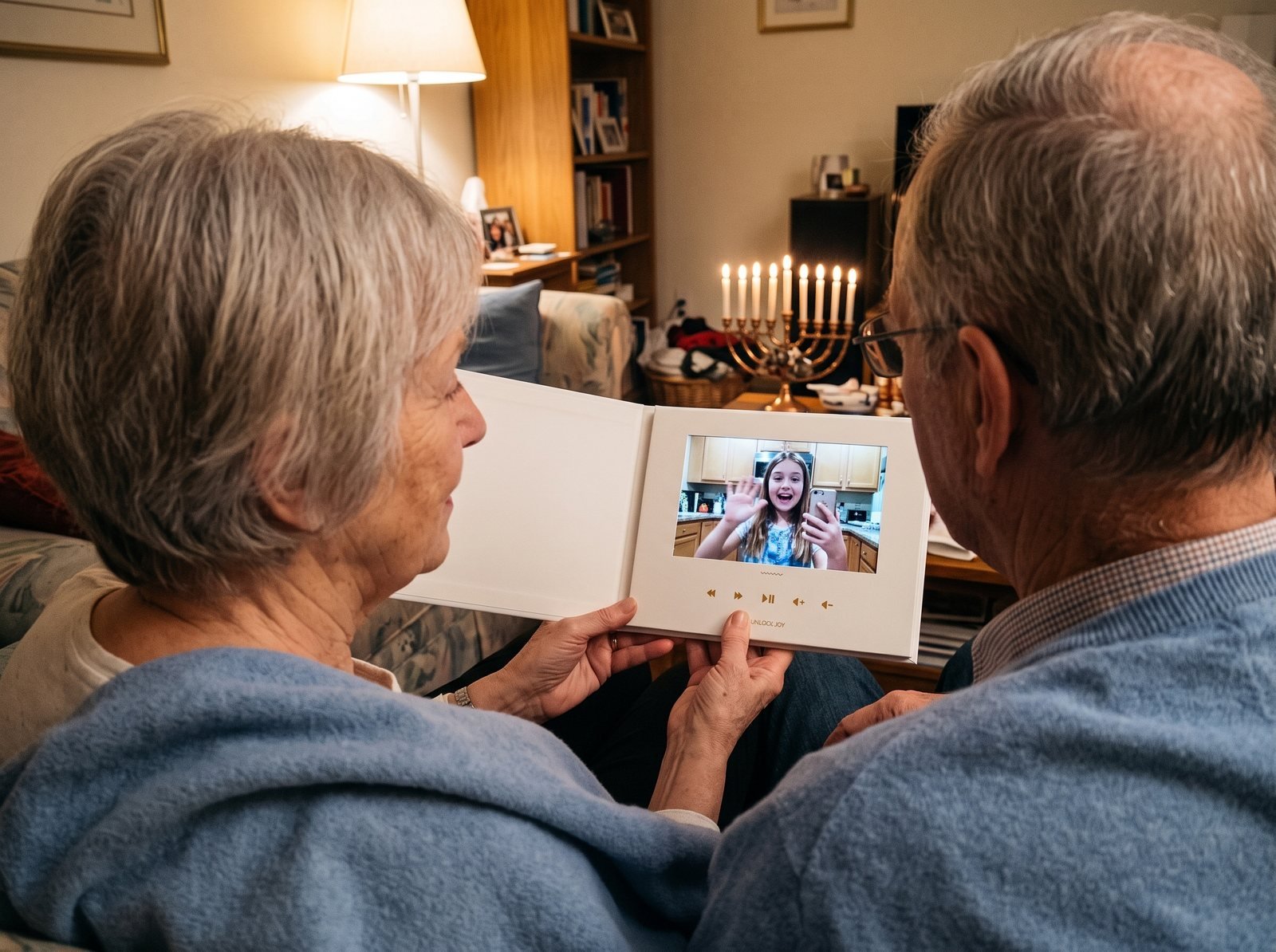
Picture your grandmother watching her grandson in Denver, her niece in Haifa and the toddler who only says "sameach" wish her a happy Hanukkah, one after another. Unlike a card in the mail, she hears every accent and every attempt at the "ch." Over 8 million videos have been sent on Tribute, and it holds 4.9 stars from 7,000+ reviews.
- Time needed: A minute per person; open it 2 to 3 weeks before Hanukkah
- Cost: Free to start a draft; you pay from $35 when you publish and start collecting videos
Best for: Grandparents, families spread across cities and anyone spending Hanukkah apart.
Why it works: Everyone's voice is in it, and nobody has to be online at the same time to take part.
5. Chag sameach (חג שמח)
The all-purpose "happy holiday." Jews use it for many festivals, so it's never wrong on Hanukkah. Compared to Chanukah sameach, it's just less specific.
- Say it like: KHAHG sah-MAY-ahkh
- When to use it: Any Jewish holiday, Hanukkah included
Best for: Quick greetings with friends and coworkers.
Why it works: If you can only remember one phrase all year, this is the one.
6. A lichtigen Chanukah (א ליכטיגן חנוכה)
Another Yiddish wish, meaning "a light-filled Hanukkah." It's less common than a freilichen Chanukah, which makes it a nice surprise in a card.
- Say it like: AH LIKHT-ig-en KHAH-noo-kah
- When to use it: Cards and notes to Yiddish speakers
Best for: Someone who will notice the difference.
Why it works: It wishes them light, which fits a holiday built around candles.
What is the happy Hanukkah meaning in Hebrew?
The word Chanukah means "dedication." It recalls the rededication of the Temple in Jerusalem after the Maccabees' revolt against the Seleucid king Antiochus IV, in 164 BCE. Rabbinic tradition adds the story of a small jar of oil that burned for eight days, which is why the holiday lasts eight nights and why families light a menorah.
So the happy Hanukkah meaning goes past "have a nice holiday." You're wishing someone joy in a season about light, rededication and a miracle. That's also why chag urim sameach and a lichtigen Chanukah both mention light.
How do you write happy Hanukkah in Hebrew letters?
Hebrew reads right to left. Happy Hanukkah in Hebrew characters is חנוכה שמח: the first word is chet, nun, vav, kaf, hei (Chanukah) and the second is sin (the shin letter with its dot on the left), mem, chet (sameach). With vowel marks it looks like חֲנוּכָּה שָׂמֵחַ, but most cards and messages skip the vowels.
Don't worry if you can't read it. In Pew Research Center's 2013 survey of Jewish Americans, 52% of U.S. Jews said they know the Hebrew alphabet, and 13% said they understand most or all of the words when they read Hebrew. Copy and paste is a fine Hanukkah tradition.
Why are there so many ways to spell Hanukkah?
Because Hebrew uses a different alphabet, and English has no letter for the first sound. The Hebrew letter chet makes a throaty "kh" sound, so some people write "Ch" and others write "H." Hanukkah, Chanukah, Hanukah and Chanukkah are all transliterations of the same word, and none is wrong.
Pick one spelling and stick with it in a card. Many families keep "Chanukah" for religious settings and "Hanukkah" for everything else.
When should you say happy Hanukkah?
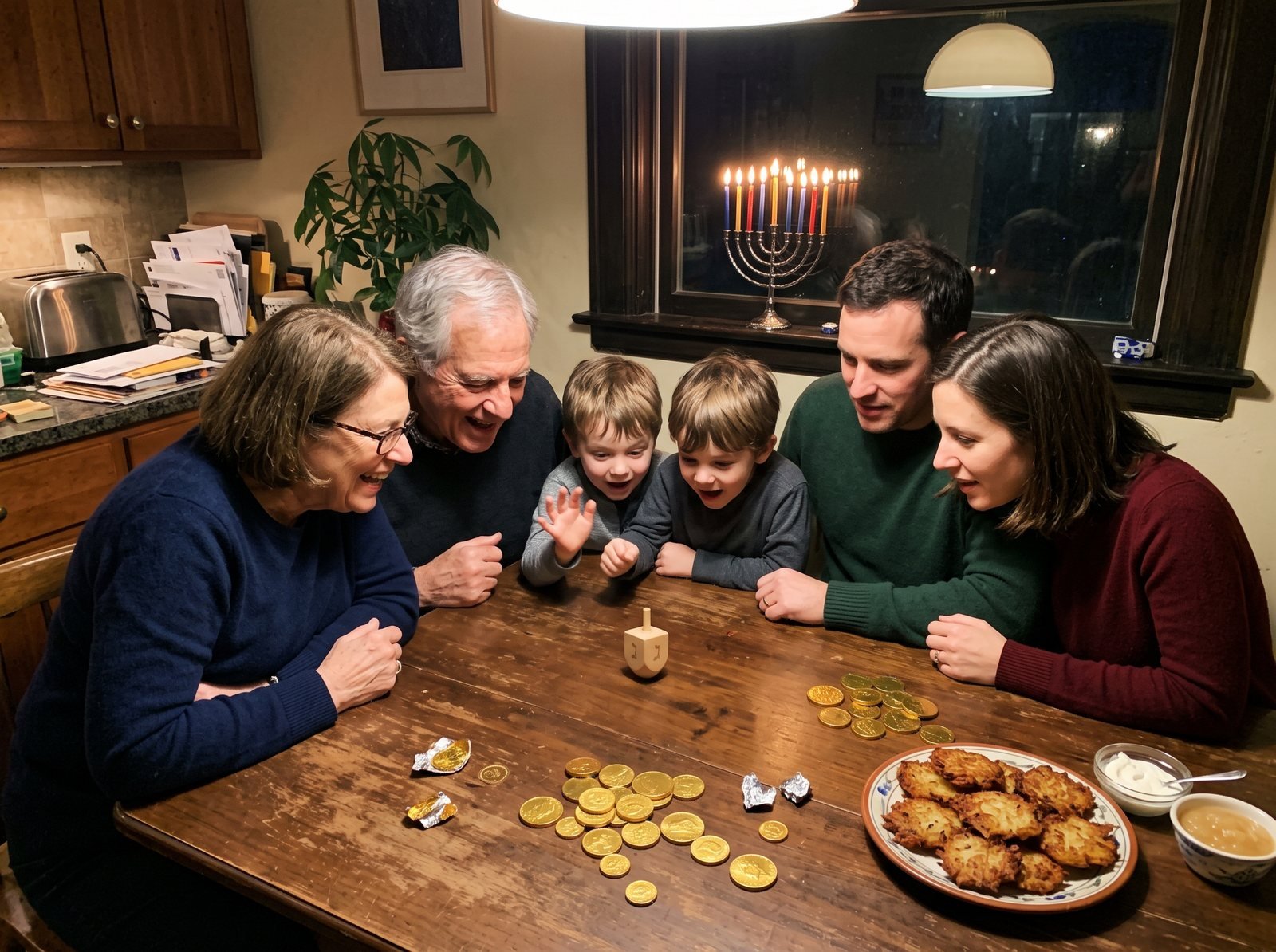
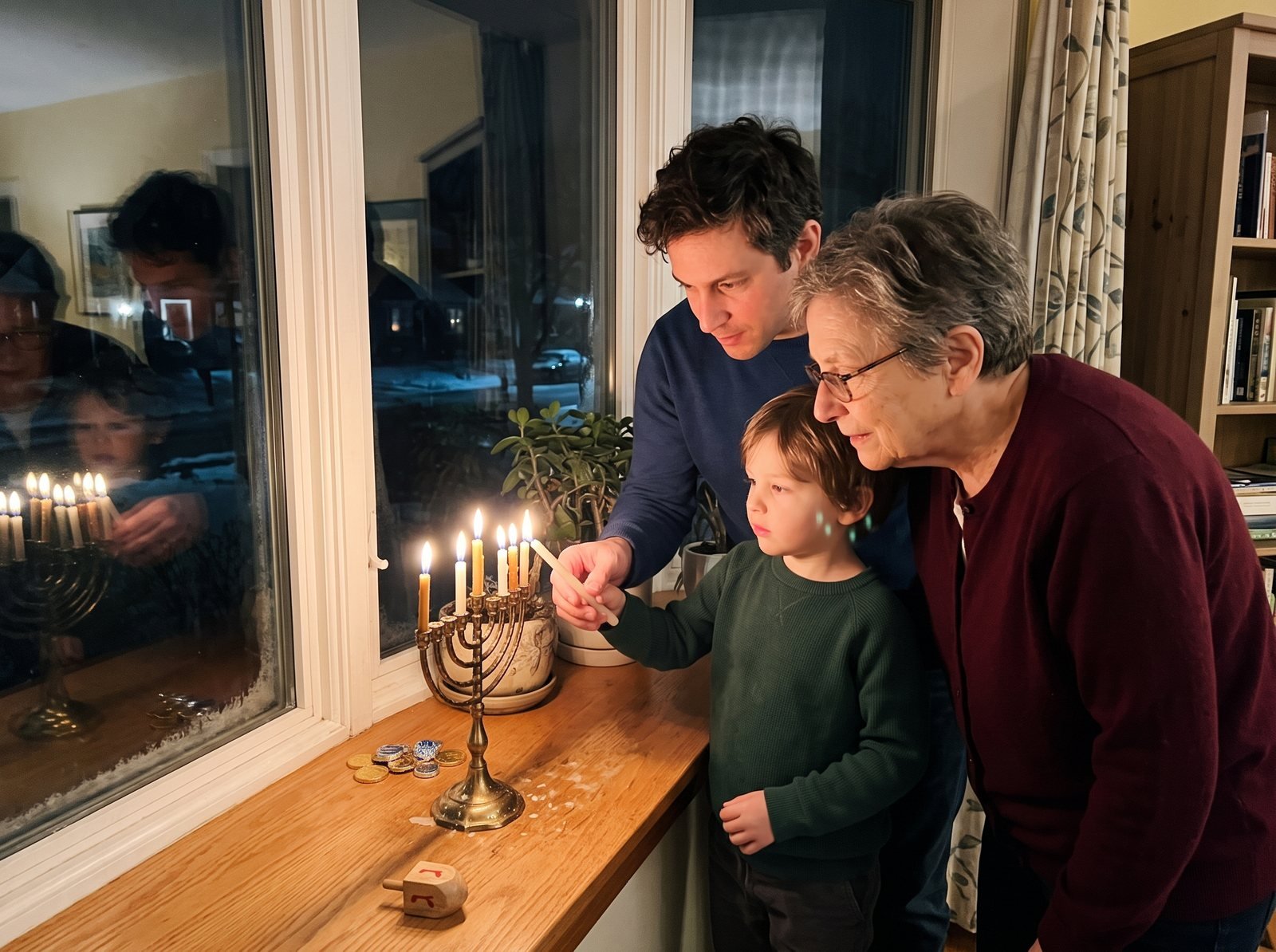
Chabad suggests using Hanukkah greetings for a week or two before the holiday and through all eight days, and not after it ends. The candle lighting is the natural moment: after the blessings, turn to the people around you and say Chanukah sameach. If the first night falls on a Friday, you'll hear Shabbat shalom and Chanukah sameach in the same breath.
Saying it to a Jewish friend or coworker who isn't family is welcome too. Hanukkah is a joyful holiday, and the menorah is a common sight: Pew found in its 2020 survey of Jewish practices and customs that eight in ten U.S. Jews own one.
What should you write in a Hanukkah card?
Start with the Hebrew, then add one line in your own words. A few Hanukkah greeting card messages to borrow:
- Chanukah sameach! Wishing you eight nights of light, laughter and too many latkes.
- Chag urim sameach. May your home be as bright as your menorah on the eighth night.
- A freilichen Chanukah, Grandma. Save us a seat by the candles.
- Happy Hanukkah to our favorite dreidel champion. Nes gadol hayah sham!
For more wording, see our full list of happy Hanukkah wishes. Planning presents too? Our Hanukkah gifts guide covers all eight nights, and our holiday season guide has gathering ideas for friends of every tradition.
Frequently Asked Questions
What is the most common Jewish Hanukkah greeting?
"Happy Hanukkah" in English and "Chanukah sameach" in Hebrew are the most common. Both work with anyone, in any setting, for the whole eight days.
What does Chag Sameach mean?
It means "happy holiday." It's used for many Jewish festivals, including Hanukkah, Passover and Sukkot, so it's always a safe choice.
Is it OK to say happy Hanukkah if you're not Jewish?
Yes. A friendly "happy Hanukkah" or "Chanukah sameach" to a Jewish friend, neighbor or coworker is welcome during the holiday. Keep it to the eight days and the week or two before.
How do you respond to happy Hanukkah?
Say "happy Hanukkah" or "Chanukah sameach" back, or just "thank you, you too." If someone wishes you a happy Hanukkah and you don't celebrate, a warm thank-you is enough.
What does Nes Gadol Hayah Sham mean?
It means "a great miracle happened there," and its four first letters appear on the dreidel. In Israel the phrase becomes nes gadol hayah po, "a great miracle happened here."
Do you say happy Hanukkah on the last night?
Yes, through the eighth day. After Hanukkah ends, switch back to a regular hello until next year.
👉 Start a Tribute and let the whole family say Chanukah sameach together.