Advent Calendar Traditions: Meaning, History and 13 Filler Ideas
The advent calendar tradition grew from German Christian customs of the 1800s for counting down the days before Christmas, and it still marks the four weeks of Advent, the season of preparing for the birth of Jesus. Today the best advent calendar fillers pair a small surprise with a reason to pause: a nativity piece a day, a short verse, a chocolate, an activity card, an ornament, or a video message from family behind the last door.
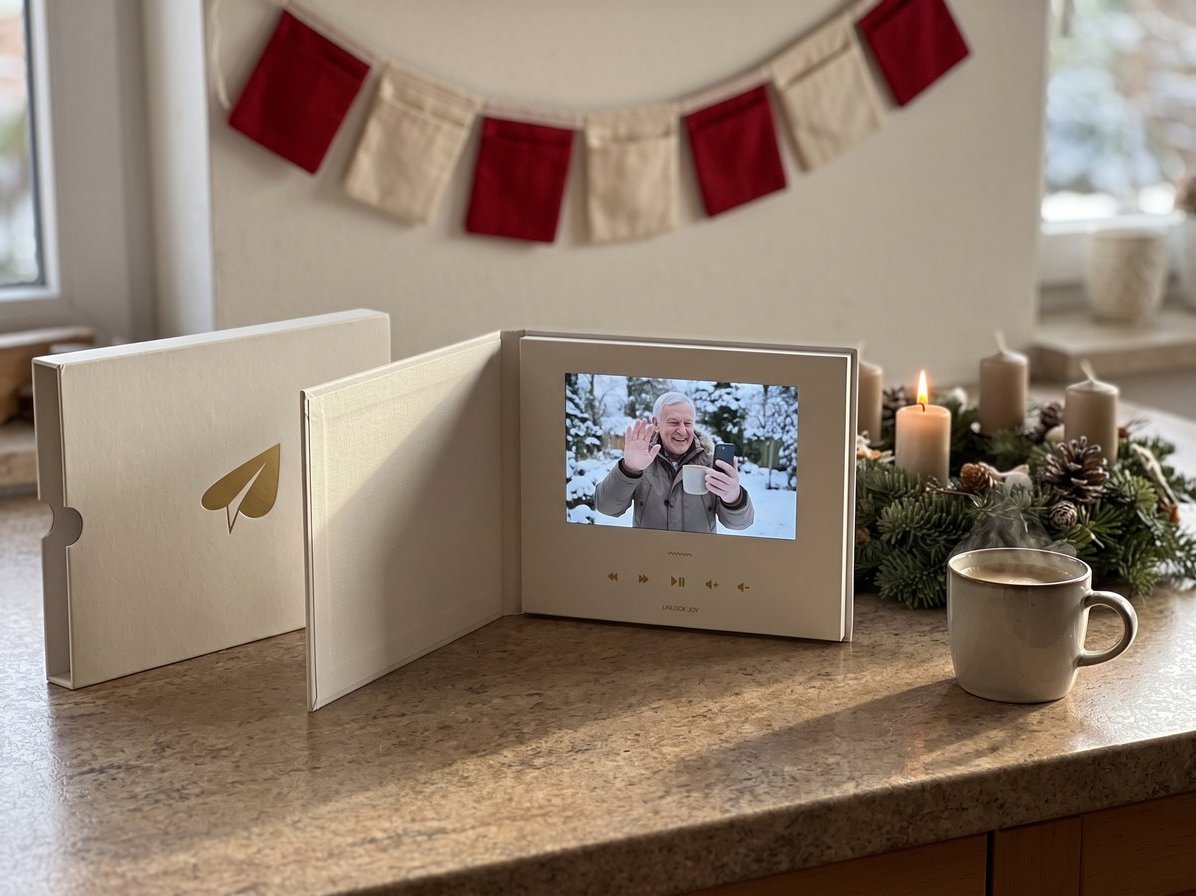
A note before the list: we make Tribute, the group video maker, and it's one of the 13 filler ideas.

| Filler idea | Best for | Typical cost for 24 days |
|---|---|---|
| A nativity piece a day | Families who want the religious story | $20 to $40 |
| Chocolate or small sweets | Kids of any age | $10 to $25 |
| A countdown of voices | Families spread out | From $35 |
| Activity cards | Busy families | Under $5 |
| A verse or prayer a day | Christian and Catholic households | Under $5 |
| An ornament a day | Families building a tree | $25 to $60 |
| A book a day | Readers and bedtime routines | Library books cost nothing |
| Acts of kindness | Kids learning to give | Under $10 |
| Puzzle pieces | Patient families | $10 to $20 |
| Letters from family | Grandparents far away | Postage |
| Tea, coffee and treats | Adults | $15 to $35 |
| Craft supplies | Rainy afternoons | $10 to $20 |
| Family photo memories | Teens and adults | Printing costs |
What is the meaning of the advent calendar tradition?
The word Advent comes from the Latin ad-venire, "to come to." The U.S. Conference of Catholic Bishops describes Advent as the season of the four Sundays and weekdays before Christmas, a time to prepare for the anniversary of Jesus' birth and to turn toward Christ's second coming at the end of time. It begins on the Sunday on or closest to November 30.
That is the meaning of the advent calendar: each door is a small act of waiting with purpose. In a Christian home, it keeps the story of the nativity in view through a busy month. Many calendars run from December 1 to 24 for simplicity, while a liturgical one follows the first Sunday of Advent.
For families who celebrate Christmas as a cultural holiday, it still works as a countdown that slows December down. Both groups are large: in a 2017 Pew Research Center survey, nine in ten U.S. adults said they celebrate Christmas, and 55% said they celebrate it as a religious holiday.
Where did the advent calendar come from?
Germany is where the custom grew. According to the Library of Congress, evergreen Advent wreaths came first, and by the 19th century German wreaths had a candle for each of the four Sundays before Christmas. Advances in color printing then made bright paper calendars cheap to produce, and by the early 1900s German children had many printed calendars to choose from.
American homes met the German advent calendar after World War II, when GIs stationed in Germany sent them back to their families. The Library of Congress notes a 1954 photo of President Eisenhower's grandchildren with an Advent calendar, which helped make the paper advent calendar a familiar sight in the United States.
What do the four advent candles mean?
The Advent wreath and the calendar tell the same story in different ways. In the Catholic tradition, the wreath holds four candles, one for each week: three purple and one rose. Purple is the liturgical color of Advent, a season of prayer and preparation, and the rose candle is lit on the third Sunday, Gaudete Sunday, when the Church rejoices that Christmas is near. Lighting one more candle each week shows hope growing as the light grows.
Protestant churches often use the same four candles with names for each week. The United Methodist Church, for example, names them hope, peace, joy and love, with a white Christ candle in the center lit on Christmas. If you light advent candles at home, a calendar door and a candle at dinner make a simple pair.

What are the best advent calendar fillers?
Good ideas for advent calendar fillers fit in a small pocket, cost little across 24 days, and give the person opening the door something to do or think about. Mix types so the month doesn't feel the same every morning.
1. A nativity piece a day
Behind each door, place one small figure: a sheep, a shepherd, a star, Mary and Joseph. Children build the stable scene over the month, and the baby Jesus goes in on the last day. An advent calendar nativity set like this keeps the Christmas story at the center of the countdown.
- Look for: A wooden or felt set small enough for the pockets, sturdy enough for little hands
- Price: $20 to $40 for a set you reuse each year
Best for: Families who want a religious advent calendar for young kids.
Why it works: The scene grows day by day, so children see the story come together.
2. Chocolate or small sweets
The filler most people picture. Mix in a few surprises so it's not the same square every day: a peppermint, a mini cookie, a hot cocoa packet for a cold night. For toddlers, swap in stickers on alternate days.
- Look for: Wrapped pieces that won't melt near a heater
- Price: $10 to $25 for 24 days
Best for: Kids and anyone with a sweet tooth.
Why it works: A small treat makes the habit of opening the door stick.
3. A countdown of voices (a Tribute group video)
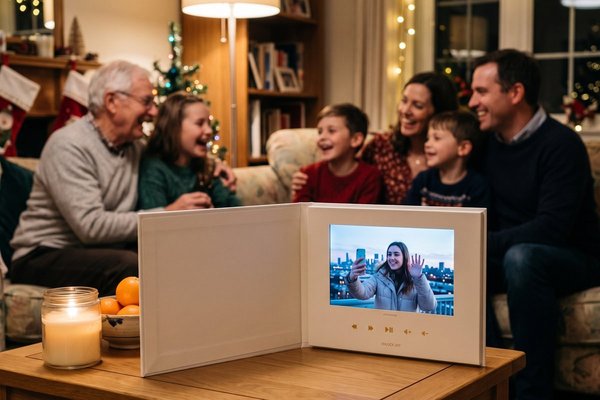
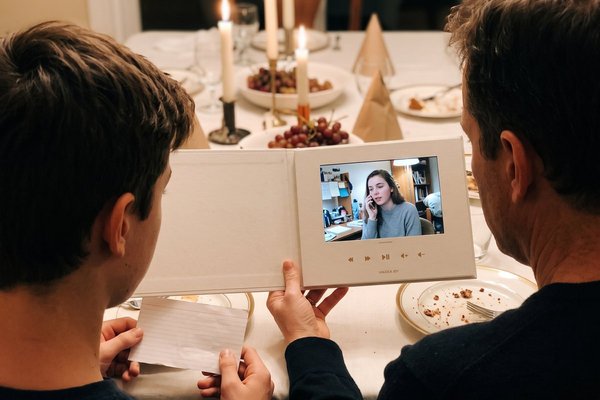
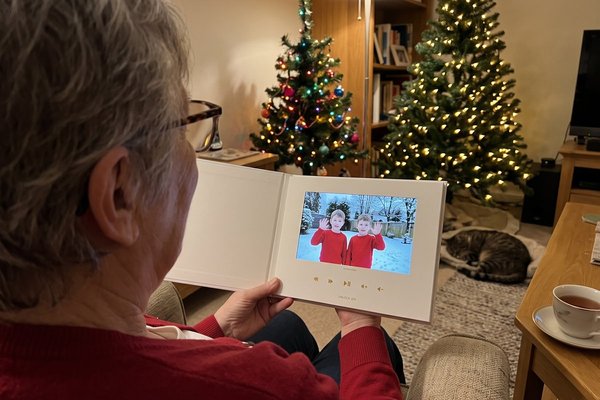
In November, start a Tribute and invite the family to record a short Christmas message: the grandparents, the aunt in another state, the cousins, the godparents. Tribute is a group video maker that turns messages from friends and family into one surprise video. It works by inviting everyone to record a short clip from their phone; Tribute compiles the clips, music and photos into a finished video you share or play together.
Write the link on a card and tuck it behind door 24, or play the video on Christmas Eve as the final surprise. Picture a seven-year-old opening the last door and finding Grandpa, Aunt Rosa and the cousins in Ohio all wishing her a merry Christmas, one after another. Unlike a chocolate, this one is still there to watch the next day. Over 8 million videos have been sent on Tribute, and it holds 4.9 stars from 7,000+ reviews.
- Time needed: About an hour to set up; open it 2 to 3 weeks before so people have time to record
- Price: Free to start a draft; you pay from $35 when you publish and start collecting videos
Best for: Families with grandparents or relatives far away.
Why it works: The countdown ends with the people, not the presents.
4. Activity cards
Fold a slip of paper into each pocket with something to do that day: bake cookies, drive to see the lights, call a grandparent, watch a Christmas movie in pajamas. Plan the cards around your calendar so the big outings fall on weekends. For more ideas to fill the slips, see our Christmas ideas guide.
- Look for: A mix of quick activities for school nights and bigger ones for weekends
- Price: Under $5 for paper; the activities vary
Best for: Busy families who want time together more than more stuff.
Why it works: The calendar plans December for you.
5. A verse or prayer a day
A Christian advent calendar can follow the readings of the season: the prophets, John the Baptist, Mary's yes, the birth in Bethlehem. Write one short verse on each card and read it at breakfast or bedtime. A Catholic advent calendar might add a saint for each feast day, such as Saint Nicholas on December 6.
- Look for: Short passages a child can read aloud
- Price: Under $5
Best for: Christian and Catholic households who want daily prayer.
Why it works: It ties the countdown to the reason for the season, in under a minute a day.
6. An ornament a day
Start the month with a bare tree, or a small felt one on the wall, and add one ornament each morning. By Christmas Eve, the tree is full. Write the year on the back of each ornament so you can pull out the same set next December.
- Look for: Small, unbreakable ornaments
- Price: $25 to $60
Best for: Families who want a classic advent calendar that ends with a finished tree.
Why it works: Kids see the month add up to something.
7. A book a day
Wrap 24 Christmas books, old favorites or library finds, and open one each night before bed. They don't have to be new; wrap the ones on your shelf.
- Look for: Short picture books for little kids, a chapter book in parts for older ones
- Price: Library books cost nothing to borrow
Best for: Bedtime routines.
Why it works: It builds a reading habit into the busiest month of the year.

Which advent calendar fillers teach giving?
Advent is a season of preparation, and preparing can mean doing for others. These fillers turn the door into a small task.
8. Acts of kindness
Each slip names one good deed: leave a note for the mail carrier, donate a coat, make a card for a neighbor, help clear a table without being asked.
- Look for: Tasks a child can finish in a day
- Price: Under $10
Best for: Kids learning that Christmas is also about giving.
Why it works: Compared to a sweet, a good deed lasts longer than the moment it's opened.
9. Letters from family
Ask grandparents, aunts and godparents to write one short letter each, then spread them across the month. The kids read a memory from their grandmother's childhood Christmas on day 9 and a joke from an uncle on day 14.
- Look for: Short notes, one page or less
- Price: Postage
Best for: Families with relatives who can't visit.
Why it works: It gives the family's stories a place in the countdown.

What are good advent calendar fillers for teens and adults?
Grown-ups like the ritual too. Keep the fillers small and useful.
10. Tea, coffee and treats
A different tea bag or coffee sachet each morning, with a shortbread or a square of good chocolate on weekends. Add a hand-written note on the days you know will be hard, such as the last week of work before the holiday.
- Look for: Single-serve packs in a variety
- Price: $15 to $35
Best for: Adults and teens who start the day with a hot drink.
Why it works: It fits into a routine they already have.
11. Family photo memories
Print 24 old photos, one from each year or each Christmas you can find, and write a line on the back. Teens love seeing their parents' haircuts. Adults love remembering who was there.
- Look for: Photos from different decades
- Price: The cost of printing
Best for: Teens, adult children and couples.
Why it works: It turns a countdown into a family history lesson.
12. Puzzle pieces
Divide a 500-piece puzzle into 24 bags. Each day adds a section, and the final picture only shows on Christmas Eve.
- Look for: A puzzle with a clear picture, not a hard one
- Price: $10 to $20
Best for: Patient families and puzzle lovers.
Why it works: The surprise builds for the whole month.
13. Craft supplies
Pipe cleaners, felt, a glue stick, a few beads, a paper star to color. Pair each with a simple instruction card. By the end, you have a box of handmade decorations.
- Look for: One craft per door, with everything included
- Price: $10 to $20
Best for: Rainy afternoons and kids who like making things.
Why it works: It keeps small hands busy while dinner cooks.
How do you start an advent calendar tradition at home?
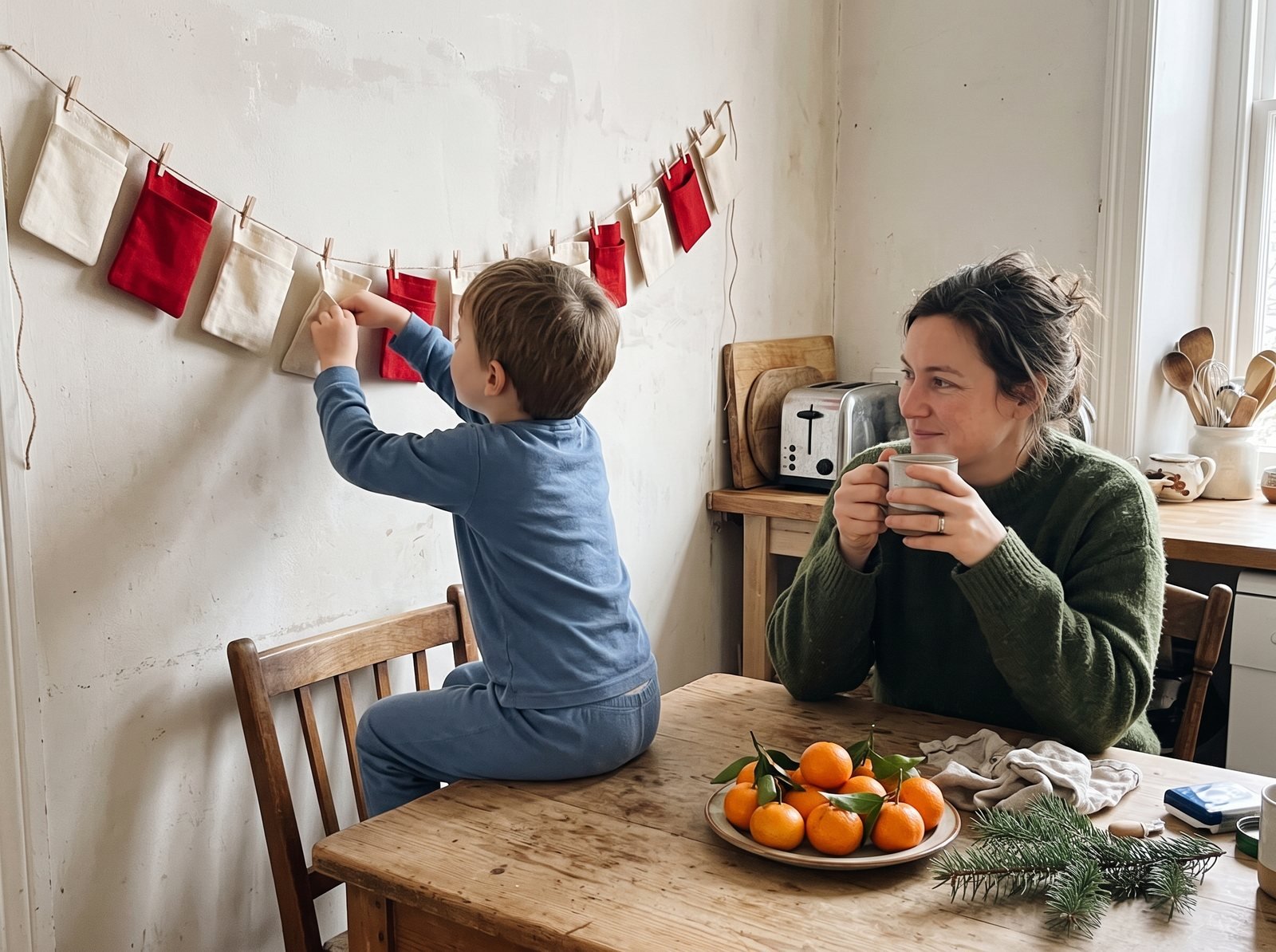
Pick the calendar first, then the fillers. A paper advent calendar with windows is the simplest; a fabric one with pockets or a wooden house lets you reuse it every year. Set it somewhere the family passes every morning, such as the kitchen or by the front door.
Choose a time of day and keep it. Breakfast works for most families, bedtime for others. Pair the door with a candle on the Advent wreath on Sundays, and the calendar becomes part of a bigger family rhythm. See our guide to Christmas traditions for more to build around it, and our Christmas caroling guide for a Sunday outing.
Celebrating Hanukkah too? Our Hanukkah countdown calendar ideas use the same idea for eight nights.
Frequently Asked Questions
What is the meaning of an advent calendar?
An advent calendar counts down the days of Advent, the Christian season of preparing for the birth of Jesus. Each door marks one day of waiting, and many families pair it with a short prayer, verse or nativity piece.
When does Advent start?
Advent begins on the Sunday on or closest to November 30 and runs to Christmas Eve. Many store-bought calendars start on December 1 for simplicity.
Where does the advent calendar tradition come from?
It grew from German Christian customs of the 1800s, such as the Advent wreath, and spread through printed paper calendars in the early 1900s. American soldiers sent them home from Germany after World War II.
What do the four advent candles mean?
Each candle marks one week of Advent. In the Catholic tradition, three are purple for prayer and preparation, and one is rose for Gaudete Sunday, the third week. Many Protestant churches name them hope, peace, joy and love.
What can I put in an advent calendar besides chocolate?
Nativity pieces, short verses, activity cards, ornaments, letters from family, puzzle pieces and acts of kindness all work. A group video from relatives makes a good final surprise behind door 24.
Is an advent calendar religious?
It started as a Christian tradition and many families still use it that way, with verses and a nativity. Others use it as a cultural countdown to Christmas.
👉 Start your holiday Tribute and put the family's voices behind the last door.