Christmas Traditions Around the World: 13 Countries and One New Idea
Christmas traditions around the world range from Germany's Christmas markets and Britain's crackers to Italy's La Befana, KFC dinners in Japan, Poland's shared Christmas wafer and Sweden's candlelit Lucia processions. Some countries celebrate on December 24, some on December 25 and some in January, and many families borrow one custom from another country to start a tradition of their own.
A note before the list: we make Tribute, the group video maker, and one of the 14 ideas is ours: a way for families spread across countries to share the day.
| Country | Tradition | When | Easy to try at home? |
|---|---|---|---|
| Germany | Christmas markets, St. Nicholas shoes | Advent, December 6 | Yes |
| United Kingdom | Christmas crackers, Boxing Day | December 25 and 26 | Yes |
| Italy | La Befana, the presepe | January 6, all season | Yes |
| Anywhere | A family video across borders | Christmas Day | Yes |
| Mexico | The poinsettia, flor de Nochebuena | December | Yes |
| Japan | Fried chicken and strawberry cake | December 24 and 25 | Yes |
| Poland | Wigilia and the opłatek wafer | December 24 | Yes |
| Ukraine | The 12-dish Holy Supper | December 24 | With effort |
| Sweden | Lucia processions, saffron buns | December 13 | Yes |
| Iceland | 13 Yule Lads, the book flood | December 12 to 24 | Yes |
| Spain | El Gordo lottery, Three Kings | December 22, January 6 | Some of it |
| Philippines | Simbang Gabi dawn Masses | December 16 to 24 | For churchgoers |
| Australia | Carols by Candlelight | December 24 | Yes |
| Brazil | Amigo secreto gift draw | December | Yes |
Why do Christmas traditions around the world look so different?
Christmas reaches a huge share of the planet. Pew Research Center counted 2.3 billion Christians in 2020, 28.8% of the world's population (Pew, 2025), and the holiday is also marked by many people who aren't religious. Each place mixed the feast with its own climate, food and calendar, which is why one country's Christmas is in snow and another's is in summer.
The 13 countries below show that range. Each entry ends with a way to borrow the custom at home.
1. Germany: Christmas markets and St. Nicholas Day
German Christmas traditions start weeks before the 25th. Germany's tourism board calls Dresden's Striezelmarkt, dating to 1434, the oldest German Christmas market, and Nuremberg's Christkindlesmarkt runs until Christmas Eve. On the night of December 5, children leave polished shoes or boots outside the door, and by the morning of December 6, St. Nicholas Day, they hold sweets, nuts and tangerines.
- When: Advent, and December 6
- Try it at home: Fill everyone's shoes on the night of December 5
Best for: Families who want December to start early.
Why it works: A small surprise three weeks out stretches the season.
2. United Kingdom: Christmas crackers and Boxing Day
British Christmas crackers trace back to Tom Smith, a London confectioner who, according to the V&A museum, was inspired by French bonbons and began adding a small love motto to his sweets in the 1840s. The snap came later, and his son Walter added the paper hats. As for the meaning of Boxing Day, English Heritage traces it to the Victorian "Christmas box" tips given to servants and tradesmen on December 26.
- When: Crackers at Christmas dinner; Boxing Day on December 26
- Try it at home: Pull crackers before the meal and wear the hats through dessert
Best for: Families who like a bit of ceremony at the table.
Why it works: Everyone looks silly in a paper crown, so nobody minds.
3. Italy: La Befana and the presepe
Two Italian Christmas traditions bookend the season. Families set up a presepe, a nativity scene; in Naples, the workshops of Via San Gregorio Armeno make figurines all year, including figures of celebrities. Then, according to Italy's tourism board, on the night between January 5 and 6, La Befana, an old woman on a broomstick, fills stockings with sweets, or coal for the naughty.
- When: The presepe all season; La Befana on January 6
- Try it at home: Save one stocking of treats for January 6
Best for: Families who aren't ready for the season to end on December 26.
Why it works: It gives January a reason to look forward to something.
4. A family video across borders (a Tribute group video)
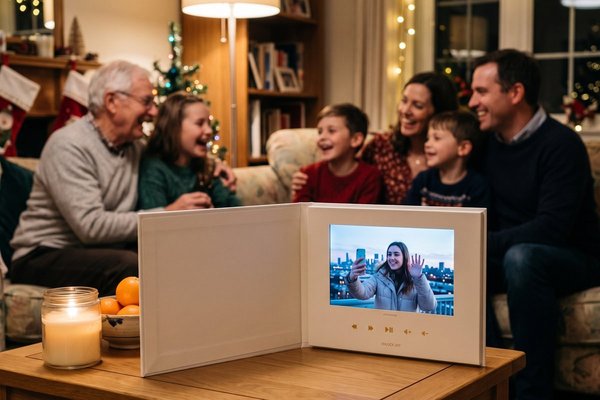
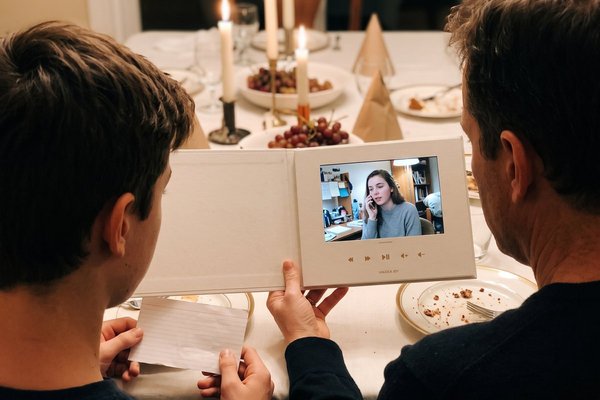
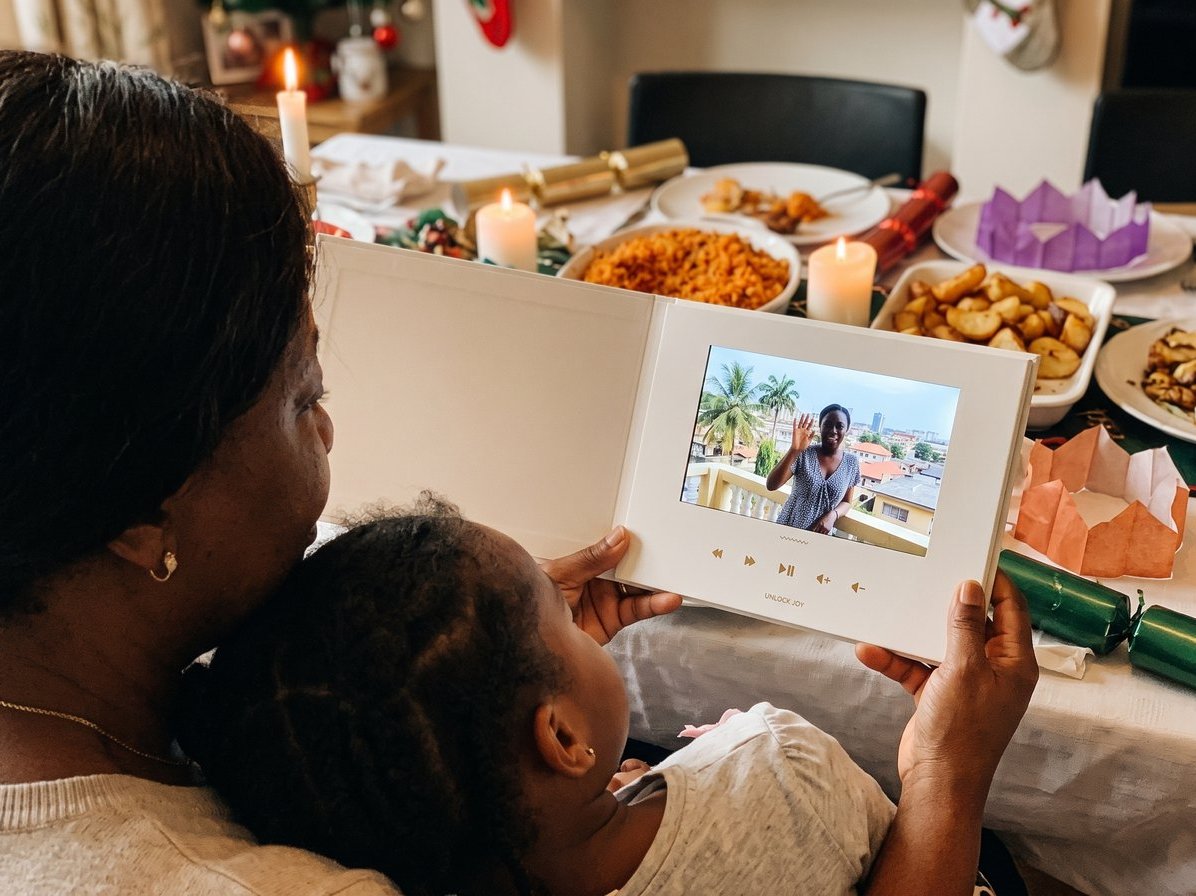
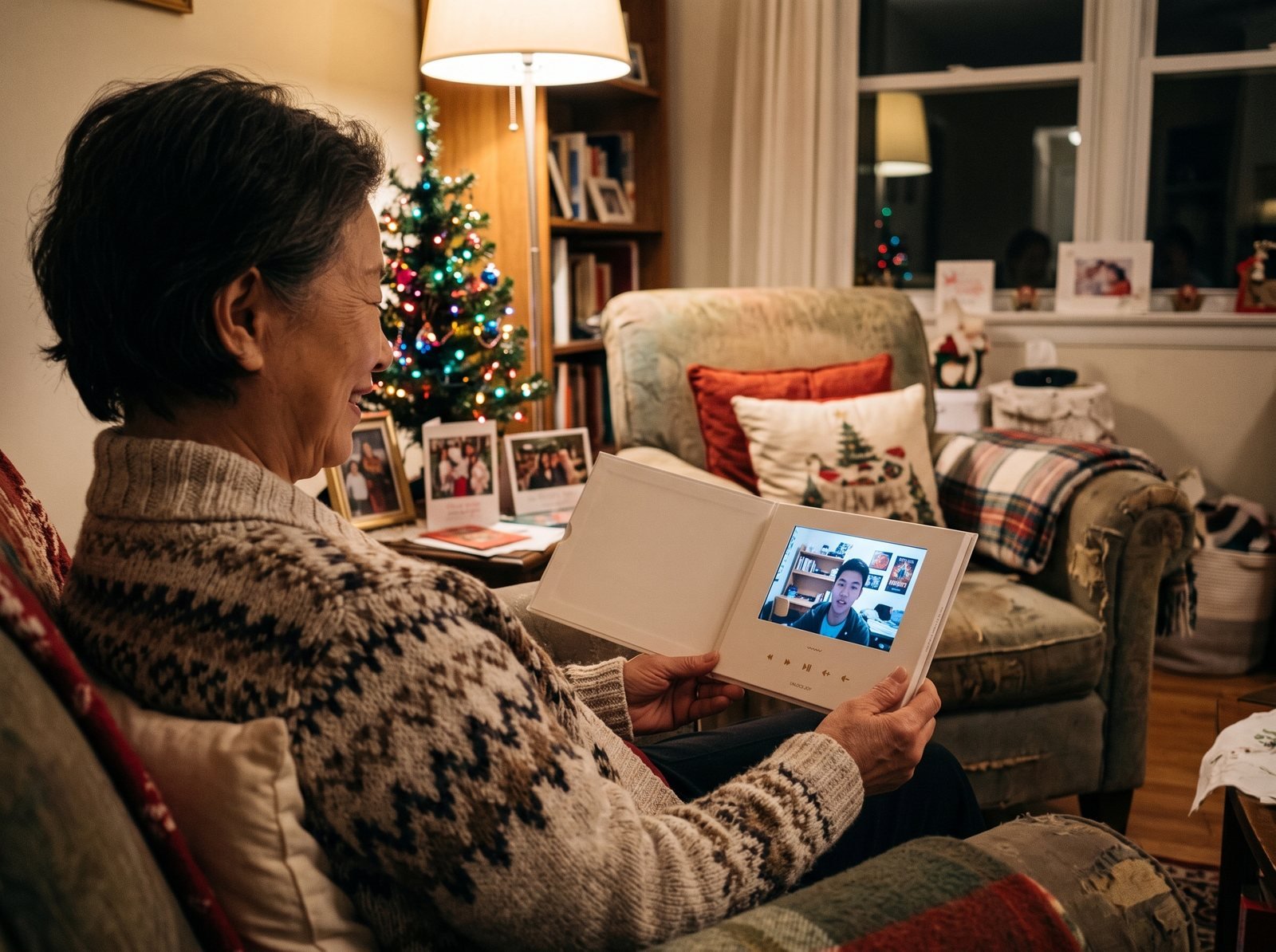
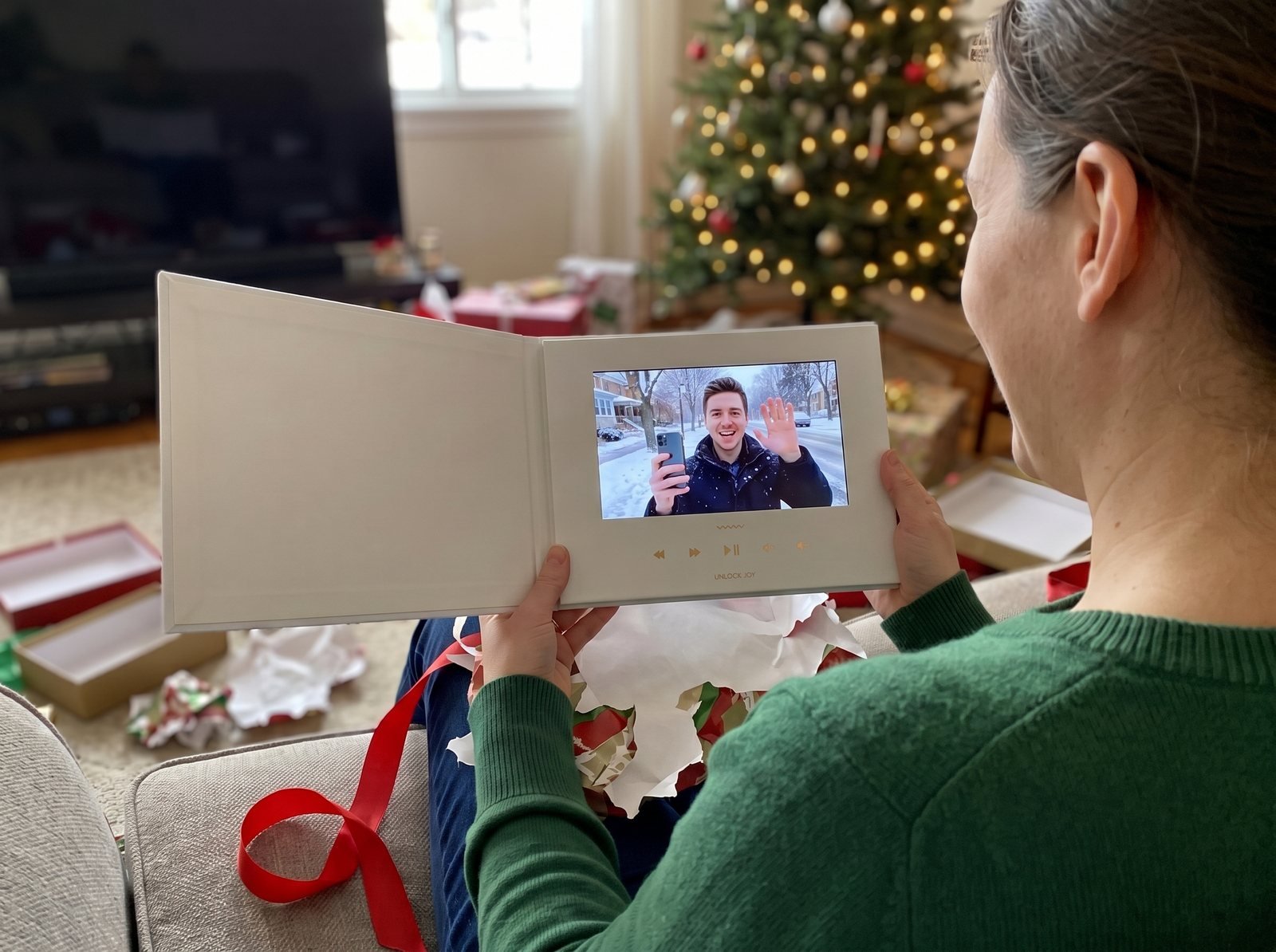
Many families now span countries: cousins in Manila and Toronto, grandparents in Kraków, a son in Melbourne. A few weeks before Christmas, start a Tribute and ask each household to record a greeting in their own language and show one local custom. Tribute is a group video maker that turns messages from friends and family into one surprise video. It works by inviting everyone to record a short clip from their phone; Tribute compiles the clips, music and photos into a finished video you share or play together.
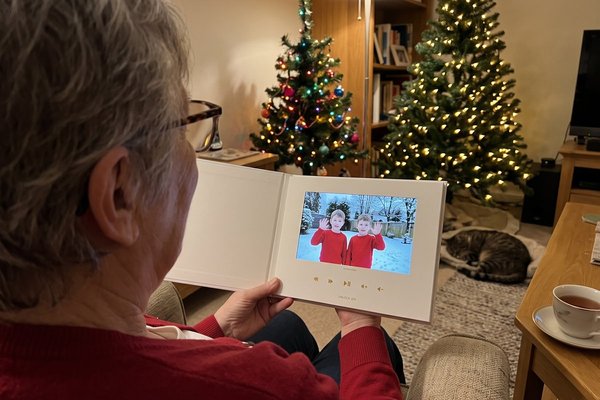
Picture a grandmother in Poland watching her grandson in Australia hold up a candle from Carols by Candlelight, then her niece in Germany hold up St. Nicholas shoes. Unlike a video call, nobody has to be online at the same time, which matters when the family spans 12 time zones. Over 8 million videos have been sent on Tribute, and it holds 4.9 stars from 7,000+ reviews.
- When: Open it 2 to 3 weeks before Christmas so everyone has time to record
- Cost: Free to start a draft; you pay from $35 when you publish and start collecting videos
Best for: Families with relatives in more than one country.
Why it works: Every household's Christmas ends up in one place, in every language.
How do other countries celebrate Christmas?
Beyond Germany, Britain and Italy, Christmas customs around the world get even more varied. Here is how ten more countries mark the season.
5. Mexico: the flor de Nochebuena
Among Christmas Mexican traditions, one has traveled the farthest. The poinsettia is native to Mexico, where its Nahuatl name was Cuetlaxóchitl. According to the Library of Congress, Franciscan friars in the 17th century called it flor de Nochebuena, the Holy Night flower, and used it in nativity scenes; U.S. diplomat Joel Poinsett brought it north in 1828.
- When: All December
- Try it at home: Put a poinsettia by your nativity scene, as the friars did
Best for: Anyone who already buys a poinsettia and wants to know its story.
Why it works: A plant you already have gets a history.
6. Japan: fried chicken and strawberry cake
Christians are a small minority in Japan, but Christmas is a popular celebration. According to Nippon.com, the fried chicken dinner traces to a 1974 KFC campaign, and families reserve orders weeks ahead. Christmas Eve is a romantic night for couples, and the classic dessert is sponge cake with cream and strawberries.
- When: December 24 and 25
- Try it at home: Order fried chicken and a strawberry shortcake for Christmas Eve
Best for: Hosts who don't want to cook.
Why it works: It proves a tradition can be young and still feel like Christmas.
7. Poland: Wigilia and the opłatek
Wigilia, the Christmas Eve supper, begins when the first star appears. Before anyone eats, everyone breaks the opłatek, a thin wafer, and exchanges wishes. Many Polish families try to serve 12 dishes, and some keep an empty seat for a relative or traveler.
- When: December 24
- Try it at home: Break a wafer or a piece of bread and share a wish with each person
Best for: Families who want a ritual at the table.
Why it works: Every person hears a wish meant for them.
8. Ukraine: the Holy Supper
Ukrainian families serve a meatless Holy Supper of 12 dishes on Christmas Eve, starting at the first star, with kutia, wheat with honey and poppy seed, at its center. In 2023, Ukraine moved its official Christmas holiday from January 7 to December 25, as reported by the Kyiv Independent.
- When: December 24
- Try it at home: Make kutia as the first dish of your Christmas Eve meal
Best for: Cooks who like a project.
Why it works: Twelve small dishes make a meal everyone helps with.
9. Sweden: Lucia Day
On December 13, Lucia processions take place across Sweden: singers in white gowns carrying candles, led by Lucia in a crown of lights. Visit Sweden notes the custom goes back to Saint Lucy of Syracuse. The S-shaped saffron buns are called lussekatter.
- When: December 13
- Try it at home: Bake saffron buns and serve them by candlelight
Best for: Families with kids who like dressing up.
Why it works: Light in the darkest month is something everyone feels.
10. Iceland: 13 Yule Lads and the book flood
According to Visit Iceland, 13 Yule Lads arrive one per night from December 12 to 24, and children leave a shoe in the window for small gifts. Books have been the classic Icelandic Christmas gift for decades, a season known as Jólabókaflóð, the Christmas book flood.
- When: December 12 to 24
- Try it at home: Give everyone a book on Christmas Eve
Best for: Readers.
Why it works: Thirteen nights of small gifts beat one night of big ones.
11. Spain: El Gordo and Three Kings Day
Spain's National Christmas Lottery, El Gordo, is drawn on December 22, with the winning numbers sung by children. The bigger gift day is January 6, when the Three Kings bring presents after parades the evening before, and families share a ring-shaped roscón de Reyes.
- When: December 22 and January 6
- Try it at home: Hold one gift back for January 6
Best for: Families who want the season to last.
Why it works: Kids get a second celebration after the rush.
12. Philippines: Simbang Gabi
Filipino Catholics attend Simbang Gabi, nine dawn Masses from December 16 to 24, also called Misa de Gallo. The Catholic Bishops' Conference of the Philippines describes them as votive Masses in honor of the Virgin Mary.
- When: December 16 to 24
- Try it at home: Count down the last nine days with a shared breakfast
Best for: Churchgoing families and early risers.
Why it works: Nine mornings together build the anticipation.
13. Australia: Carols by Candlelight
In Australia, Christmas falls in summer. Since 1938, Melbourne has held Carols by Candlelight on Christmas Eve, now at the Sidney Myer Music Bowl, with crowds singing by candle.
- When: December 24
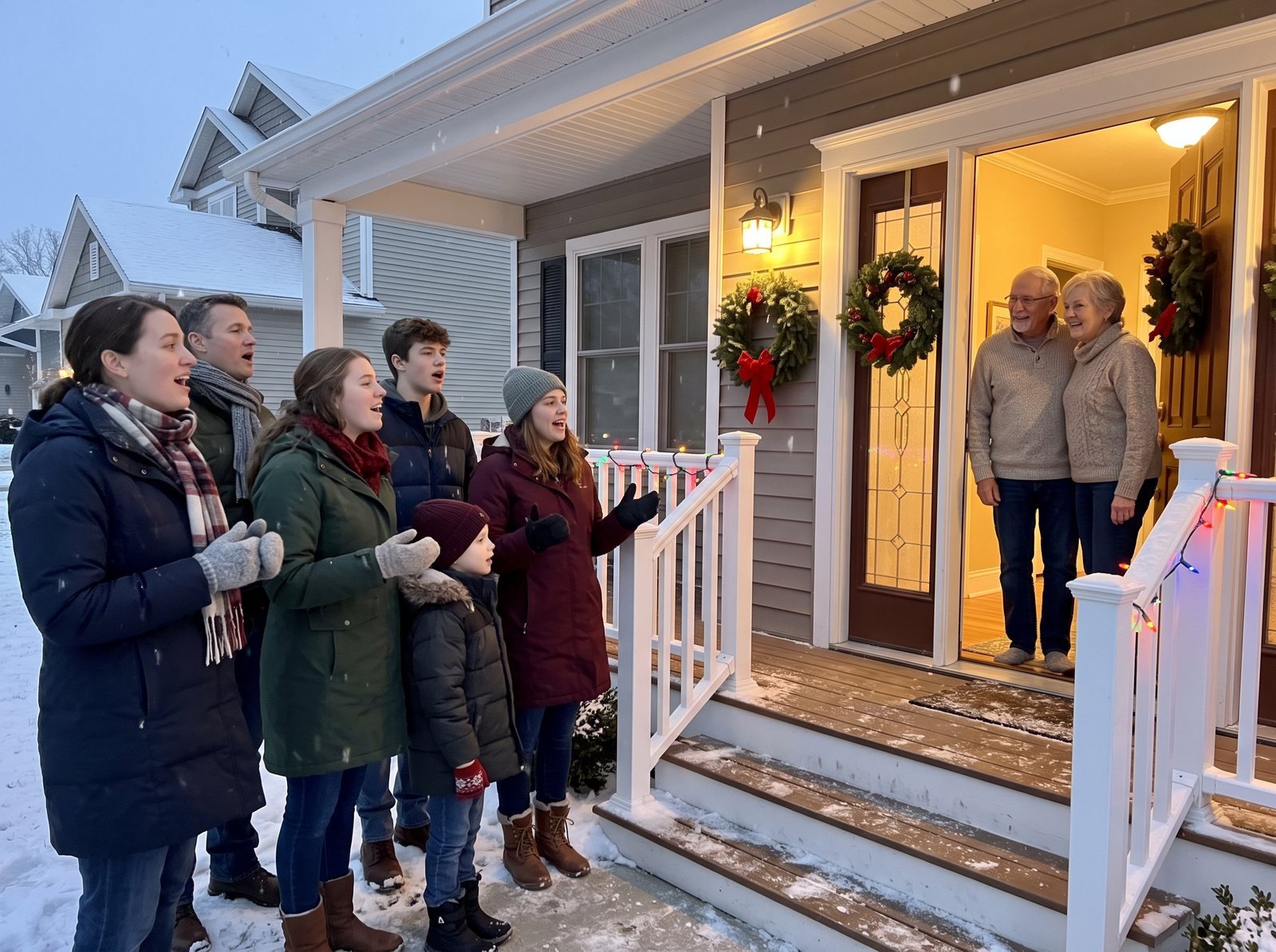
- Try it at home: Hold your own candlelit sing-along on the porch
Best for: Families who love to sing.
Why it works: Singing together outdoors turns strangers into a choir.
14. Brazil: amigo secreto
Brazilian families and friends draw names for amigo secreto, also called amigo oculto, a secret gift exchange. The Missa do Galo, once held at midnight on Christmas Eve, now often takes place earlier in the evening.
- When: December
- Try it at home: Draw names and have each giver describe their person before the reveal
Best for: Big families who can't buy for everyone.
Why it works: One thoughtful gift beats ten rushed ones.
How do you bring world Christmas traditions home?
Pick one custom a year and give it a country night: crackers and Boxing Day leftovers one year, Lucia buns another. Even the decorations travel. In 2024, the United States imported $2.97 billion worth of Christmas decorations, 86.8% of it from China (U.S. Census Bureau).
Compared to buying a new decoration, a borrowed custom costs little and gives kids a story about another place. For classics closer to home, see our list of Christmas traditions and the history of the Advent calendar tradition. Thanksgiving has its own customs too; our guide to Thanksgiving traditions covers them, and the holiday season guide ties it all together.
Frequently Asked Questions
What is the meaning of Boxing Day?
Boxing Day is December 26 in the United Kingdom. English Heritage traces the name to the Victorian custom of giving "Christmas box" tips to servants and tradesmen on that day.
What are the most popular German Christmas traditions?
Christmas markets, the Advent wreath with four candles and St. Nicholas Day on December 6 are among the best known. On the night before St. Nicholas Day, children leave shoes outside the door to be filled with treats.
Who invented British Christmas crackers?
London confectioner Tom Smith created the first crackers in the 19th century, inspired by French bonbons. The snap was added later, and his son Walter added the paper hats.
Why do people eat KFC on Christmas in Japan?
The custom traces back to a 1974 KFC campaign in Japan. Fried chicken on Christmas became a family habit, and many people reserve their orders weeks ahead.
Which countries celebrate Christmas in January?
Churches that follow the Julian calendar celebrate Christmas on January 7, and Ukraine kept that date for its official holiday until 2023. In Italy and Spain, January 6 is a gift day of its own, with La Befana and the Three Kings.
How can a family celebrate traditions from different countries?
Pick one custom per year from a country in your family's history, and ask relatives abroad to share theirs. A group video lets each household show its own Christmas in its own language.
👉 Start your holiday Tribute and bring every country your family lives in into one Christmas.