The Dreidel Game: Rules, Strategy and Family Variations
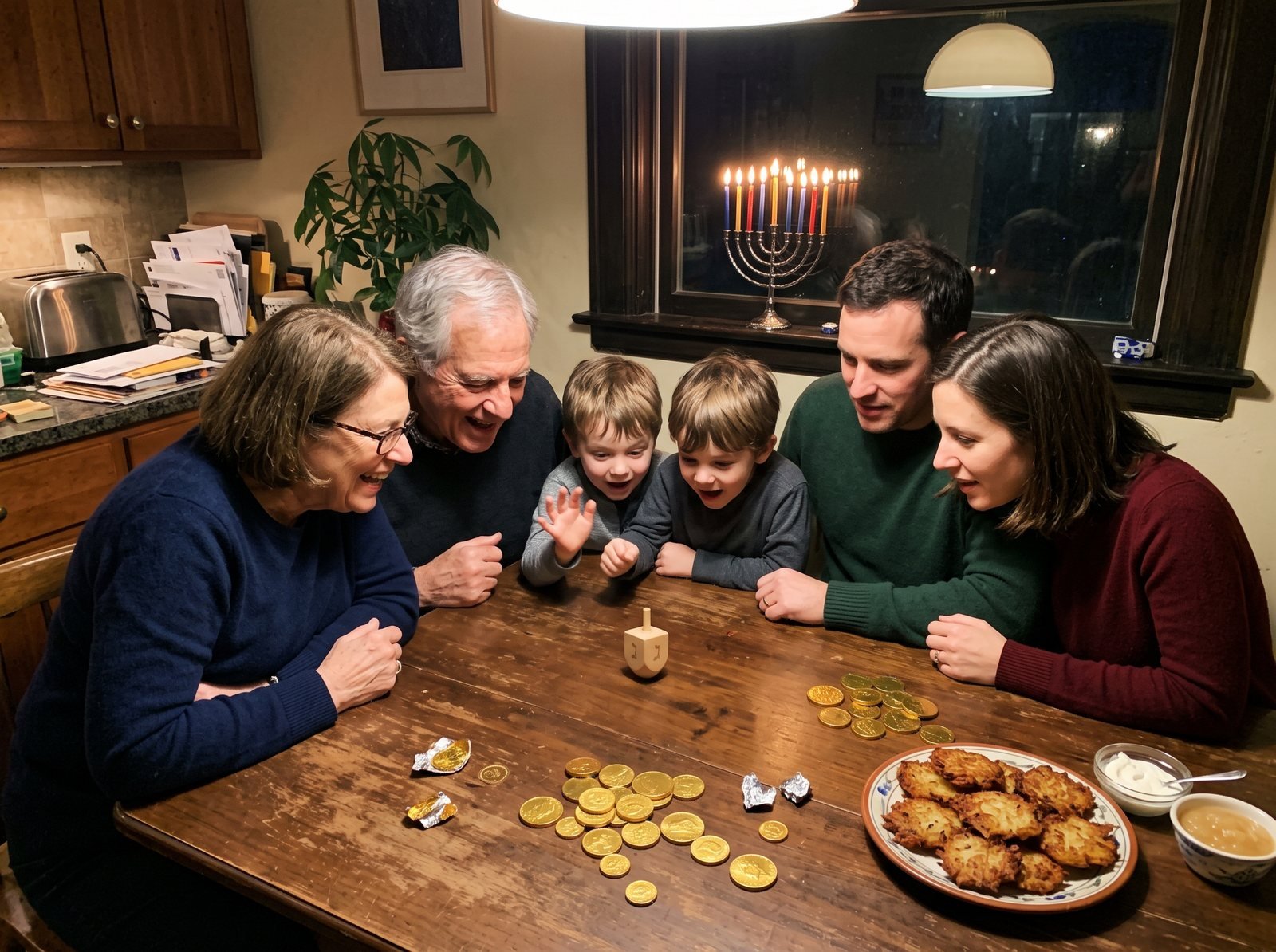
The dreidel game is a Hanukkah spinning-top game for two or more players: everyone puts a token in the pot, then takes turns spinning a four-sided top. The Hebrew letter that lands face up tells you what to do: nun means nothing, gimel means take the whole pot, hei means take half and shin means put one in. Play until one person holds all the gelt, or until the latkes are ready.
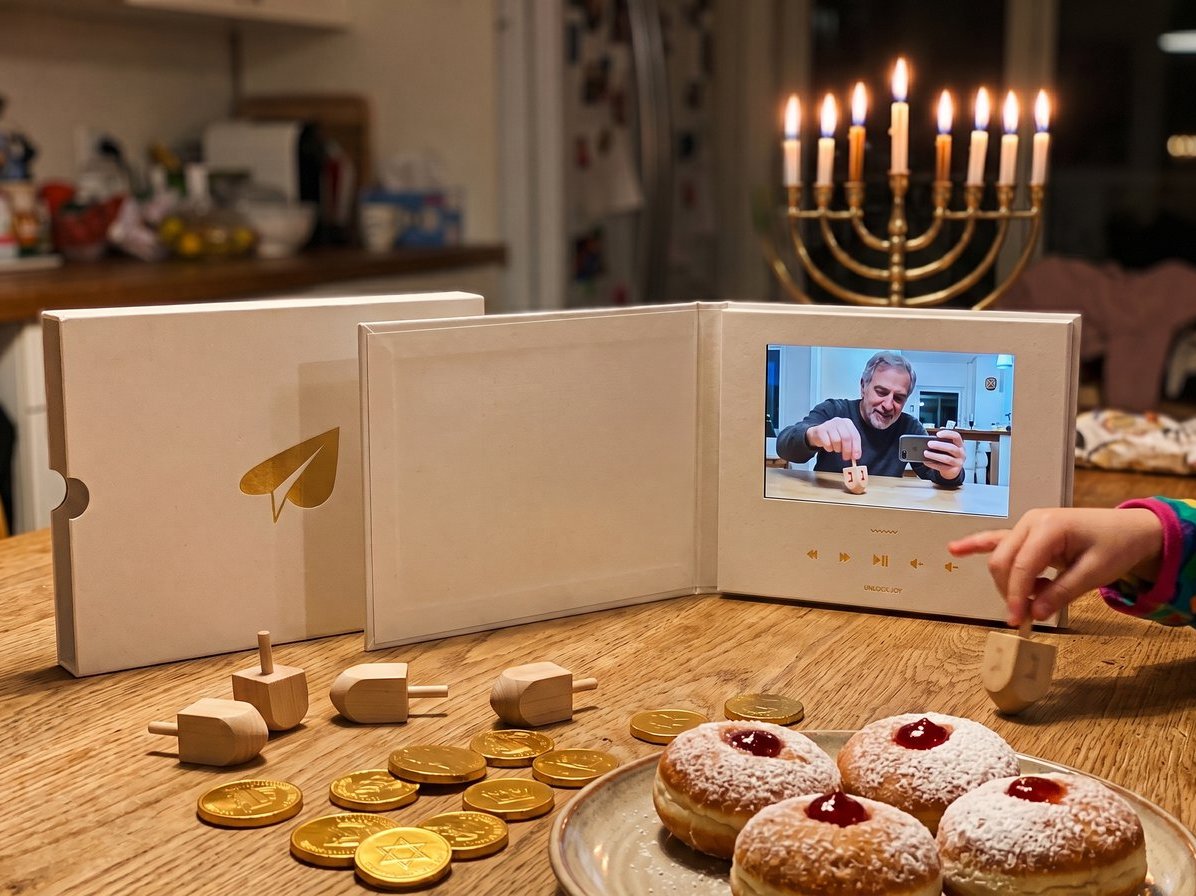
A note before we start: we make Tribute, the group video maker, and one of the family variations below uses it.
What is the dreidel game?
Every dreidel is a small top with four sides, each marked with a Hebrew letter: nun (נ), gimel (ג), hei (ה) and shin (ש). Together they stand for nes gadol hayah sham, "a great miracle happened there," a nod to the Hanukkah story of the Maccabees and the oil that burned for eight days. In Israel the last letter is pei (פ), for po, so the phrase becomes "a great miracle happened here." Israelis also call the top a sevivon, from the Hebrew word for "turn."
The traditional dreidel is played for chocolate coins called gelt, but raisins, nuts, pennies or pretzels all work. Spinning it is about as universal as Hanukkah itself: Pew Research Center's survey of Jewish practices and customs found that eight in ten U.S. Jews own a menorah, and about seven in ten often or sometimes cook or eat traditional Jewish foods. The dreidel tends to sit right beside both.
How do you play the dreidel game for Hanukkah?
Rules for the dreidel game Hanukkah families learn as kids fit on an index card. Here is the classic version, following the rules Chabad publishes in its guide on how to play dreidel:
- Split the pot. Give every player the same number of tokens, 10 to 15 each.
- Ante up. Each player puts one token in the middle.
- Pick who goes first. Everyone spins once; the highest letter starts (nun, then gimel, hei, shin).
- Spin and read the letter. Nun: nothing happens. Gimel: take the whole pot. Hei: take half. Shin: put one token in.
- Refill when it's empty. After a gimel, everyone antes again. If you run out of tokens, you're out, or you ask someone nice for a loan.
Yiddish, the language most Eastern European Jewish families played in, gives you a memory trick: nun for nisht (nothing), gimel for gants (all), hei for halb (half) and shin for shtel arayn (put in). When half the pot is an odd number, most families round up in the spinner's favor. Decide that before the first spin, not during an argument.
Where does the dreidel tradition come from?
A popular story says Jews under the Greek king Antiochus studied Torah in secret and pulled out spinning tops when soldiers came by. It's a good story, and kids love it, but historians don't support it. As My Jewish Learning explains in the surprising origin of the dreidel, the game descends from a European spinning-top game called totum or teetotum, whose German letters (N, G, H, S) meant nothing, all, half and put in. Jewish families adopted it, and later readings tied the letters to the Hanukkah miracle.
That history makes the dreidel game a good conversation piece. The game is borrowed, the meaning is Jewish, and both are part of how a family tradition grows.
What are the best dreidel game variations for families?
The classic rules work for about four rounds before the six-year-old wanders off. These variations keep the dreidel tradition going all eight nights, with a version for little kids, competitive teens and the cousins who live too far away to play at the table.
1. The speed round
Play the classic rules with a one-minute timer per round. Whoever holds the most gelt when the buzzer goes off wins the round. Three rounds, done before the candles burn down.
- Time needed: 10 minutes
- Cost: A bag of gelt
Best for: Families with short attention spans and a dinner waiting.
Why it works: The timer keeps the game fast and stops one lucky player from cleaning everyone out.
2. The longest spin
Forget the letters. Everyone spins at once and the dreidel that stays up longest wins a coin. Then try it upside down: many dreidels can spin on their handle, and kids will spend twenty minutes perfecting the flick.
- Time needed: 15 minutes
- Cost: One dreidel per player
Best for: Little kids who can't read the letters yet.
Why it works: Skill matters, which teens like, and nobody has to do math.
3. The family spin-off video (a Tribute group video)
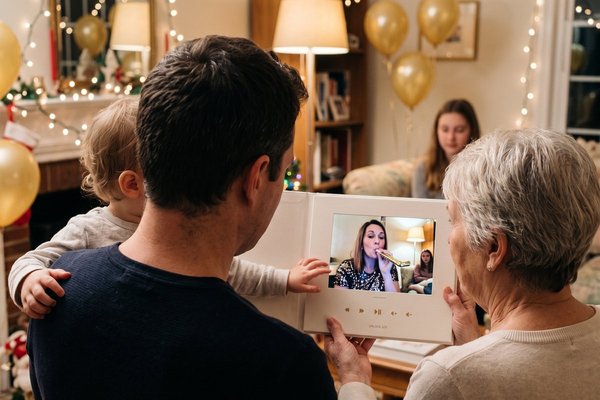
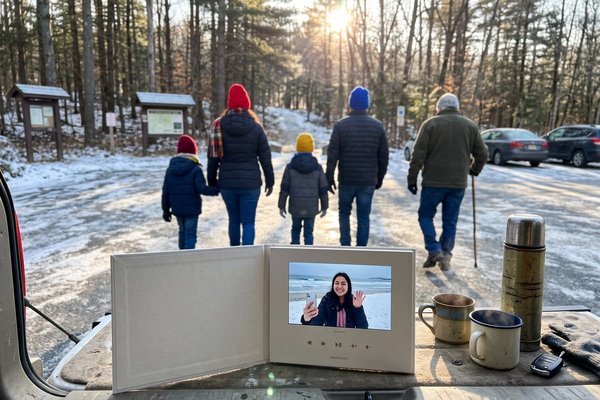
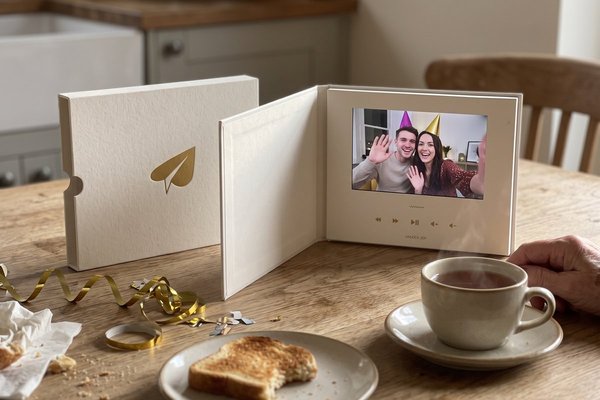
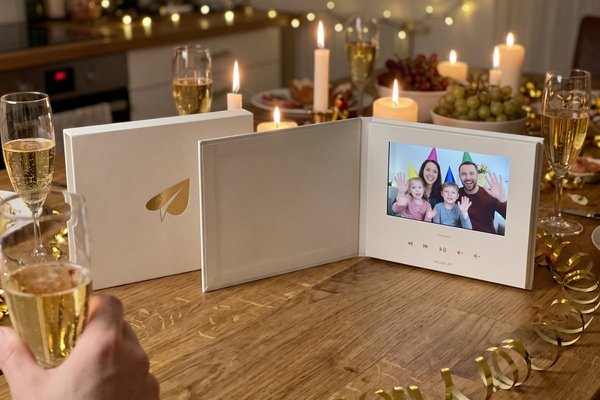
Some of the best dreidel players in your family may live in another time zone. Start a Tribute a couple of weeks before Hanukkah and ask everyone to record a short clip: spin a dreidel on camera, call out the letter, then share a Hanukkah memory or wish. Tribute is a group video maker that turns messages from friends and family into one surprise video. It works by inviting everyone to record a short clip from their phone; Tribute compiles the clips, music and photos into a finished video you share or play together.
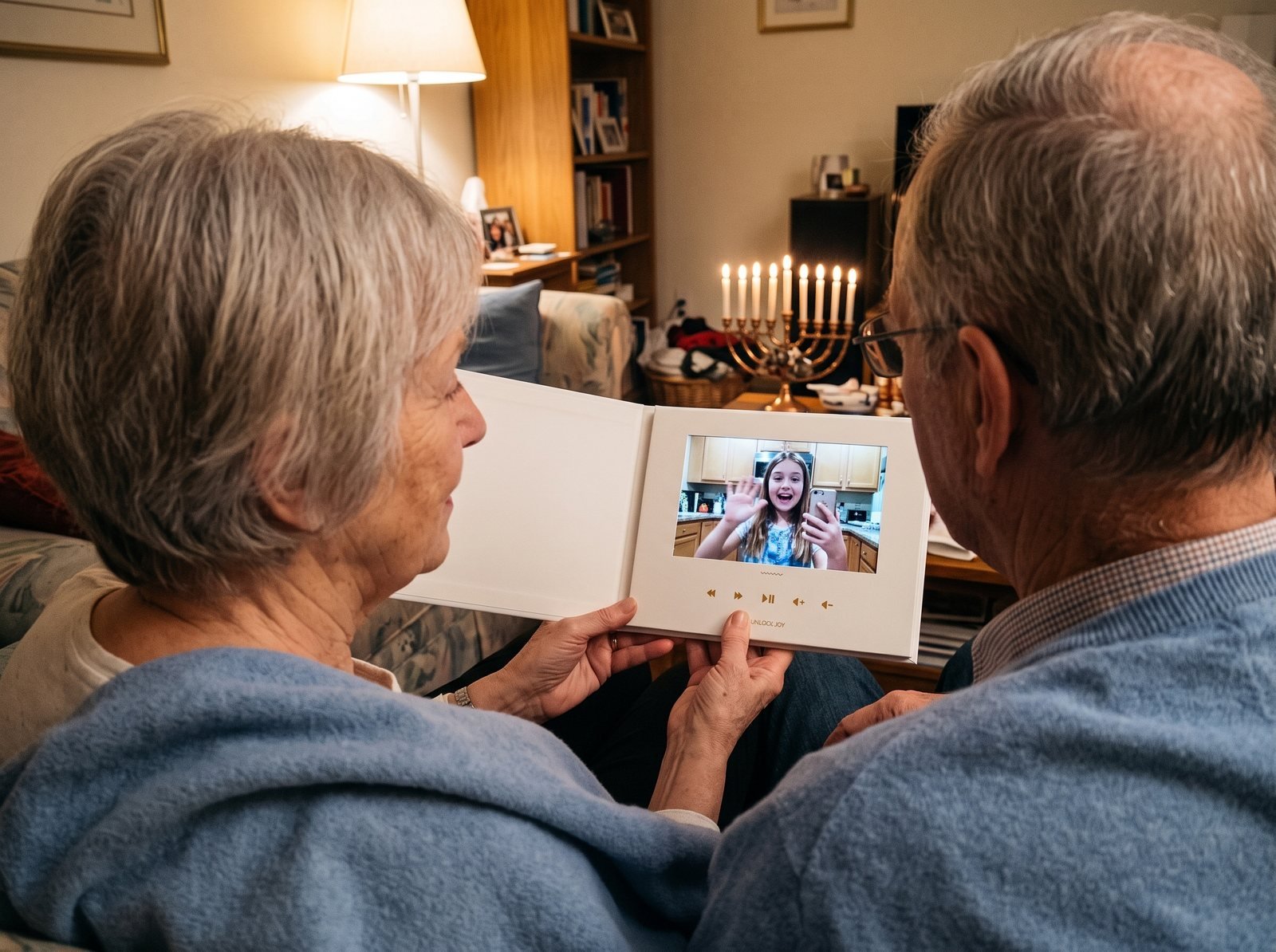
On the first night, play the video after the candles are lit and keep score from the couch: every gimel on screen earns the room a coin. Unlike a video call, nobody has to be online at the same time, so Grandma in Tel Aviv and your brother on the night shift both get a turn. Over 8 million videos have been sent on Tribute, and it holds 4.9 stars from 7,000+ reviews.
- Time needed: 10 minutes to watch; open it 2 to 3 weeks before Hanukkah so people have time to record
- Cost: Free to start a draft; you pay from $35 when you publish and start collecting videos
Best for: Families spread across cities or countries.
Why it works: Every relative gets a spin, and the clips double as a Hanukkah greeting you can watch again next year.
4. Dreidel bingo
Draw a three-by-three grid for each player and fill the squares with letters: nun, gimel, hei, shin, in any order. Each spin, whoever's turn it is calls the letter and everyone marks one matching square. First full row shouts "Nes gadol!" and wins a coin.
- Time needed: 15 minutes
- Cost: Paper and crayons
Best for: Kids learning the Hebrew letters.
Why it works: They learn nun, gimel, hei and shin by sight without anyone calling it a lesson.
5. Question dreidel
Assign a question to each letter, then spin, answer and pass the dreidel to the left:
- Nun: share a favorite Hanukkah memory.
- Gimel: say something you love about the person to your left.
- Hei: tell the table one good thing from this year.
- Shin: sing one line of a Hanukkah song.
- Time needed: 20 minutes
- Cost: Nothing
Best for: Mixed ages, new partners and grandparents with stories to tell.
Why it works: Compared to the classic game, it trades chocolate for conversation, and the stories are what people remember.
6. The eight-night tournament
Keep a scoreboard on the fridge from the first night to the last. Each night's winner gets a point, and the champion on the eighth night picks the menu for next year's latke party. Rotate who keeps score so nobody can be accused of fixing it.
- Time needed: 10 minutes a night
- Cost: A whiteboard or a sheet of paper
Best for: Competitive siblings and cousins who visit for the whole week.
Why it works: It gives every night of Hanukkah a reason to gather after the candles.
Is there a strategy for the dreidel game?
Not much, and that's the charm. Each spin is a game of chance, so the best strategy is a good pot size and a fair table. Still, a few habits help:
- Spin on a hard, flat surface. A tablecloth kills the spin and starts arguments about which letter landed.
- Agree on house rules first. Odd halves, re-spins for a dreidel that falls off the table, and loans between players.
- Keep antes small. One token per round keeps everyone in the game longer.
- Use the right dreidel. Wooden and plastic tops spin longer than clay ones; heavy, wide dreidels are easier for small hands.
Picture your nephew insisting his dreidel landed on gimel while it is still wobbling. Name a referee before the first spin. A grandparent works best, because nobody argues with Grandpa.
Can you play the dreidel game online?
Yes. Several sites and apps offer a dreidel game online, which helps when the family is split across cities. You can also do it the old way: one person spins on a video call and everyone keeps their own pile of gelt at home. For a version that works across time zones, the family spin-off video above lets each person record their spin whenever they can.
Looking for more for the eight nights? See our Hanukkah gifts guide, learn the greetings in happy Hanukkah in Hebrew, and browse our wider holiday season guide for gatherings with friends of every tradition.
Frequently Asked Questions
What do the letters on a dreidel mean?
Nun, gimel, hei and shin stand for nes gadol hayah sham, "a great miracle happened there." In the game, nun means nothing, gimel means take all, hei means take half and shin means put one in. Dreidels made in Israel swap shin for pei, for "a great miracle happened here."
How many people do you need to play dreidel?
Two players are enough, but four to six is the sweet spot. With bigger groups, split into two tables or play the speed round so turns come around faster.
What do you play dreidel for?
Chocolate gelt is the tradition. Raisins, nuts, pennies, buttons or small candies all work, and some families play for chores instead.
Is the dreidel game Jewish?
It's a Jewish Hanukkah custom with roots in an older European top game. Jewish families gave the four letters their Hebrew meaning, and the game has been part of Hanukkah for well over a century.
When do you play the dreidel game?
Families play during the eight nights of Hanukkah, often after lighting the menorah while the candles burn. There's no rule about when, so a game at lunch with the cousins counts too.
How long does a game of dreidel last?
A classic game can run from 10 minutes to an hour, depending on the number of tokens and players. Set a timer or a fixed number of rounds if dinner is waiting.
👉 Start a Tribute and give every relative a spin, wherever they are.