Employee Engagement Ideas That Start With Saying Thank You
The employee engagement ideas that last are small, frequent and personal: asking people how they like to be thanked, naming wins every week, and giving the team a say. Start with recognition, because it costs the least and people feel it the same day.


| Idea | Best for | Time needed | Cost |
|---|---|---|---|
| Ask how each person likes to be thanked | Every manager | 10 minutes a person | Nothing |
| A team thank-you video each month | Remote, hybrid and shift teams | 15 minutes to set up | From $35 |
| A Monday wins round | Teams that meet weekly | 10 minutes | Nothing |
| Skip-level coffee | Companies with layers of managers | 30 minutes | A coffee |
| A monthly learning hour | Teams that want to grow | 1 hour | Nothing to $20 a person |
| Fix-one-thing day | Teams frustrated by small blockers | Half a day | The time |
| A peer shout-out channel | Any team | Ongoing | Nothing |
| A volunteer afternoon | Teams that want shared purpose | 3 hours | Paid time |
| A "how I work" page per person | New or merged teams | 20 minutes each | Nothing |
| Act on one survey result | Companies that run surveys | A month | Varies |
What is employee engagement, and why is it slipping?
Employee engagement is how involved and enthusiastic people are about their work and workplace, and in the U.S. it has fallen for five years.
Gallup found that 31% of U.S. employees were engaged in 2025, down from 36% in 2020, based on a sample of 78,945 adults, per Gallup's report on the decline from the 2020 peak.
By the third quarter of 2026 the figure had dropped to 29%, per Gallup's update for that quarter.
Most of what drives that number sits with managers and day-to-day habits, not perks. Which is good news for anyone with a small budget and a team that meets every week.
What are the best employee engagement ideas?
The best ones make people feel noticed, give them a voice, and help them get better at their jobs.
Here are ten employee engagement activities, ordered from the cheapest to the ones that take some planning. Pick three and run them for a quarter before adding more.
1. Ask each person how they like to be thanked
In your next one-on-one, ask: "When you do great work, how would you like to hear about it?" Some want a shout-out in front of the team; others would rather get a private note.
Almost nobody gets asked. Only 10% of employees say someone at work has asked how they like to be recognized, per Gallup's research on recognition across generations.
- Time needed: 10 minutes a person
- Cost: Nothing
Best for: Every manager, starting this week.
Why it works: It makes every later thank-you land the way the person wants it to.
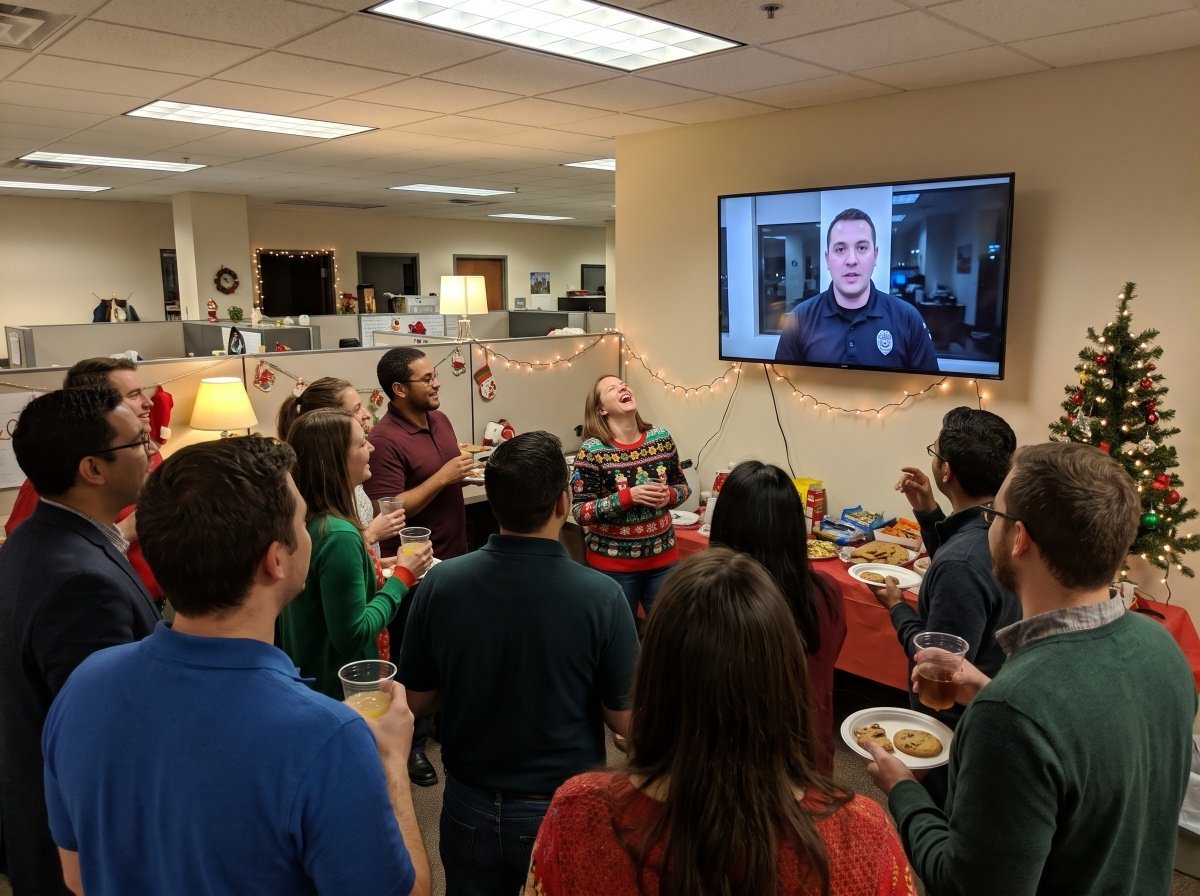
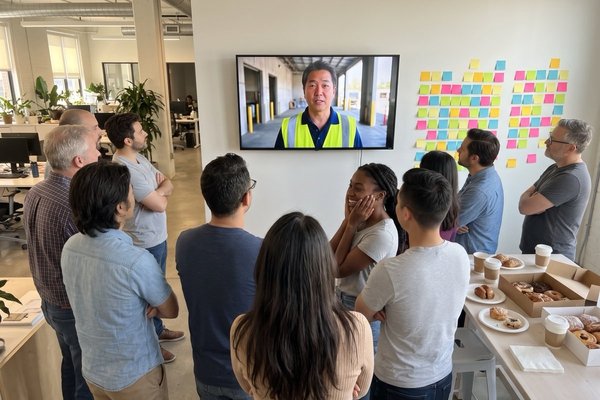
2. A team thank-you video each month (a Tribute group video)
This one is ours: we make Tribute, the group video gift.
Each month, pick one person whose work carried the team, and ask everyone to record a short message for them.
Tribute is a group video gift that turns messages from coworkers into one surprise video.
It works by inviting everyone to record a short clip from their phone or computer; Tribute compiles the clips, music and photos into a finished video you share or play together.
Guided prompts nudge people past "great job" to the moment that mattered. Over 8 million video messages have been shared on Tribute.
- Time needed: 15 minutes to set up; give people a week to record
- Cost: Free to start a draft; from $35 when you publish and start collecting videos
Best for: Teams that seldom share a room or a shift.
Why it works: Unlike a shout-out that scrolls away by lunch, the person can play it again, and the whole team takes part in the thanks.
👉 Make this month's thank-you a video from the team if your people work in different places and still deserve to hear it together.
3. A Monday wins round
Spend the first ten minutes of the week's meeting on wins from last week. Each person names one, theirs or a coworker's. Keep a running list; it writes your year-end review for you.
- Time needed: 10 minutes a week
- Cost: Nothing
Best for: Teams that already meet on Mondays.
Why it works: It starts the week on what went right, which changes how people walk into the rest of it.
4. Skip-level coffee
Senior leaders spend 30 minutes with people two levels down, one at a time or in threes. The rule: the leader asks questions and listens, and follows up on one thing within a week.
- Time needed: 30 minutes
- Cost: A coffee
Best for: Companies with more than one layer of managers.
Why it works: People see their input travel up and come back as a change.
5. A monthly learning hour
One hour, one topic, taught by someone on the team: a spreadsheet trick, a customer story, how the billing system works. Rotate the teacher so expertise gets noticed.
- Time needed: 1 hour a month
- Cost: Nothing to $20 a person for lunch
Best for: Teams that want training and employee engagement in the same hour.
Why it works: Teaching is recognition in disguise: it says "you know something worth sharing."
6. Fix-one-thing day
Twice a year, give the team half a day to fix the small annoyances that slow them down: the broken template, the confusing form, the shared drive nobody can search.
- Time needed: Half a day
- Cost: The time
Best for: Teams frustrated by friction no one has time to address.
Why it works: It shows the company trusts people to improve their own work.

7. A peer shout-out channel
A channel in Slack or Teams where anyone can thank a coworker by name. Seed it for the first two weeks by posting a few yourself.
- Time needed: Ongoing, 5 minutes a week to seed
- Cost: Nothing
Best for: Any team where help flows sideways.
Why it works: Compared with praise from the top, peer thanks shows who noticed.
8. A volunteer afternoon
Pick a local cause together and give the team a paid afternoon to help: a food bank shift, a park cleanup, reading at a school.
- Time needed: 3 hours
- Cost: Paid time
Best for: Teams looking for a shared purpose beyond their targets.
Why it works: People see each other outside their job titles.
9. A "how I work" page per person
Each person writes a short page: best hours, how they like feedback, what they're learning, one thing people get wrong about them. Pin them where the team can find them.
- Time needed: 20 minutes each
- Cost: Nothing
Best for: New, merged or fast-growing teams.
Why it works: It answers the questions people are too polite to ask.
10. Act on one survey result
If you run an engagement survey, choose one finding, tell the team what you will change, and report back in a month. One visible change beats ten action items.
- Time needed: A month
- Cost: Varies
Best for: Companies that survey every year and hear "nothing happens" in return.
Why it works: It proves the survey was worth filling in.
Which employee engagement ideas work for remote and shift teams?
The ones that don't need everyone in one place at one time, which matters most if your team never overlaps.
Picture a support team split across Manila, Austin and Dublin. The wins round happens at an hour that suits one office, and the cake only reaches the people at headquarters. A Tribute thank-you video takes the scheduling out of recognition.
You do not have to find a slot that works for every time zone, wake anyone up for a call or ship anything. Each coworker records a minute when their day allows.
The finished video plays at the next all-hands and lands in the person's inbox. Larger companies run this through Tribute for Work, with a custom-branded portal and a testimonial page for collecting stories.
For a team of five at one desk cluster, skip it. Say it out loud at lunch and save the video for a promotion or a send-off.
How do you choose employee engagement strategies that last?
Pick ideas your managers will run without being reminded, and measure by what people remember.
- Start with recognition. It is the cheapest lever and works within a week.
- Give each idea an owner. A name, not "HR".
- Run three at a time. More than that and none of them stick.
- Review every 90 days. Keep what people mention without prompting.
For the structure behind it, see our guide to employee recognition programs. If you need points and reporting across many teams, compare employee recognition software.
What team engagement ideas cost nothing?
Most of the ones that work best.
A wins round, a shout-out channel, a "how I work" page, and asking how people like to be thanked cost nothing but a few minutes.
Say a new manager inherits a tired team of twelve and no budget. Week one, she asks each person how they like to be thanked. Week two, she starts the wins round. By the end of the month, people are posting shout-outs without being asked.
A sincere note costs nothing too; our list of thank-you messages for coworkers has wording to start from, and employee appreciation ideas has dozens more.

Frequently Asked Questions
What is employee engagement?
It is how involved and enthusiastic people are about their work and workplace. Engaged people put in effort because they care about the result, not only because it is required.
What are examples of employee engagement activities?
A weekly wins round, a peer shout-out channel, skip-level coffees, a monthly learning hour and a team thank-you video for one person each month.
How do you improve employee engagement on a small budget?
Start with recognition: ask each person how they like to be thanked, then do it every week. Most of the strongest ideas cost time, not money.
How do you engage remote employees?
Use formats that don't need everyone online at once: written shout-outs, a "how I work" page, and group videos each person records when it suits them.
How often should you run engagement activities?
Something small every week and something bigger each month or quarter. Consistency matters more than size.
What tools help with employee engagement?
A team chat channel, a shared calendar and a short survey cover most needs. Recognition software adds points and reporting for larger companies.
👉 Give one person a month a video from the whole team when your people span time zones and the thank-you should not depend on who made the meeting.