Employee Recognition Ideas and Examples Managers Can Use This Week
The employee recognition ideas that work name a specific contribution, come soon after it, and reach the person in a way they will remember. Below are nine ideas with example wording, ranked by how fast you can start this week.


| Idea | Best for | Time needed | Cost |
|---|---|---|---|
| Praise in the moment, with the reason | Any manager, any day | 1 minute | Nothing |
| A public shout-out that names the work | Teams with a shared channel | 5 minutes | Nothing |
| A note from a senior leader | Work leaders never see | 10 minutes | Nothing |
| A recognition video from the team | Remote, hybrid and shift teams | 10 minutes to watch | From $35 per video |
| A stretch assignment | People ready for more | A conversation | Nothing |
| A peer-nominated award | Monthly team meetings | 15 minutes a month | A small prize |
| Recognition in the one-on-one | Every direct report | 2 minutes | Nothing |
| Credit in the update to leadership | Quiet high performers | 5 minutes | Nothing |
| Time back after a hard push | Teams after a launch or audit | Half a day | The time itself |
Why do employee recognition ideas matter?
Because recognized people stay, and most people do not feel recognized.
Gallup followed about 3,500 employees from 2022 to 2024. Those who were well recognized had 45% lower odds of having left their organization two years later, per Gallup's study of recognition and turnover.
In the same research, just 22% of employees said they get the right amount of recognition for their work. That leaves a wide gap for a manager with ten minutes.
What are the best employee recognition ideas for managers?
The best ones name the work and come from someone whose opinion the person values.
Each idea below includes employee recognition examples you can adapt. For a wider list across the year, see our employee appreciation ideas.
1. Praise in the moment, with the reason
Say it within a day, in one or two sentences, and include what it made possible. Example: "That summary you sent before the board call meant I did not have to read forty pages. Thank you."
- Time needed: 1 minute
- Cost: Nothing
Best for: Every manager, every week.
Why it works: Thanks that arrives while the work is still fresh shows you were watching.
2. A public shout-out that names the work
Post in the team channel with the person's name, the task and the result. Example: "Shout-out to Ana for rebuilding the returns form. Complaints about it dropped to zero this month."
- Time needed: 5 minutes
- Cost: Nothing
Best for: People who like being seen. Ask first for anyone who does not.
Why it works: Coworkers learn what good work looks like on your team.
3. A note from a senior leader
Draft two lines about what someone did and ask a director or the CEO to send it. Example: "I heard you trained three new hires during the busiest month of the year. That is how this place keeps running."
- Time needed: 10 minutes for you, 2 for the leader
- Cost: Nothing
Best for: Front-line work that leaders never see.
Why it works: Recognition from the top tells people the work traveled.
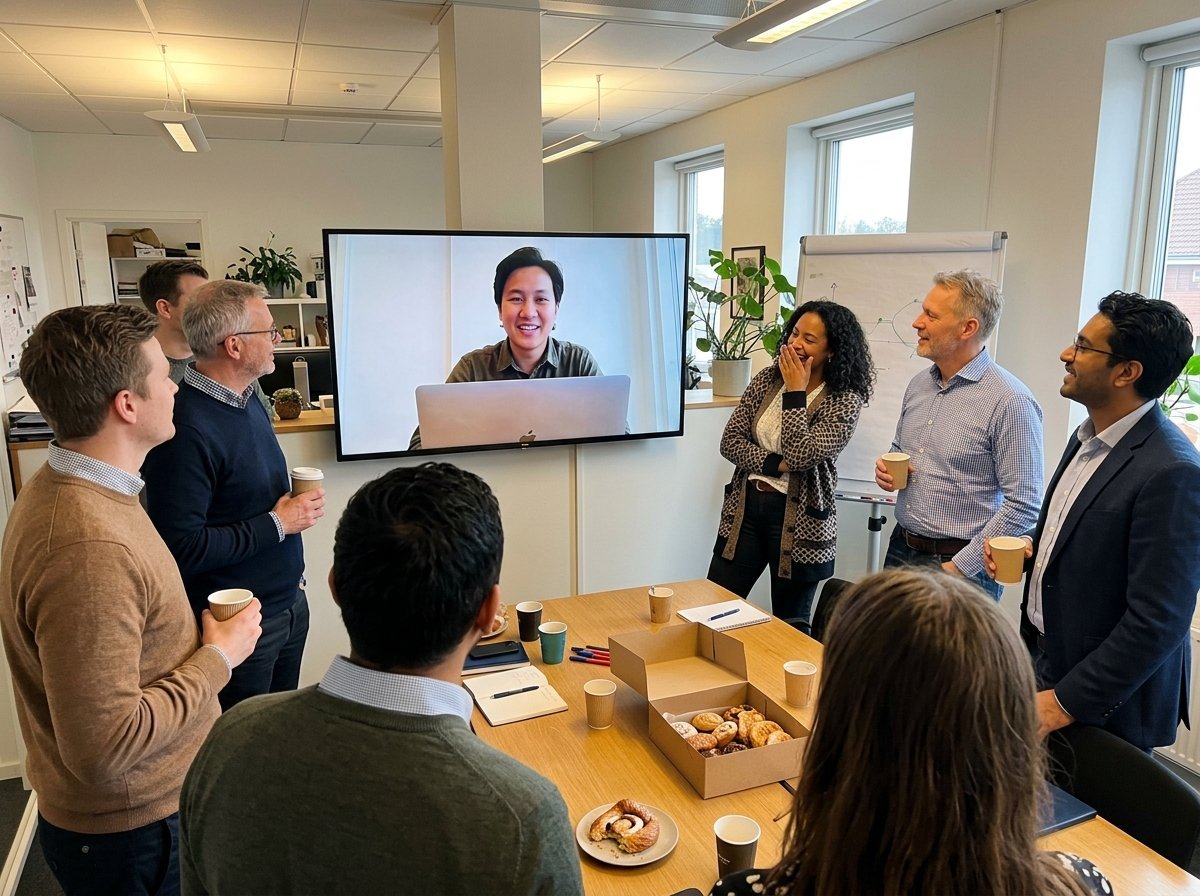
4. A recognition video from the team (a Tribute group video)
This one is ours: we make Tribute, the group video gift.
Tribute is a group video gift that turns messages from coworkers into one surprise video.
It works by inviting everyone to record a short clip from their phone or computer; Tribute compiles the clips, music and photos into a finished video you share or play together.
Share one link, and coworkers record a minute each. Guided prompts keep messages specific: "You stayed on the call with the clinic until the system came back up." Play it at the huddle, send the link, or download it.
Over 8 million video messages have been shared on Tribute, and it holds 4.9 stars from 7,000+ reviews.
- Time needed: 10 minutes to watch; open it 1 to 2 weeks ahead
- Cost: Free to start a draft; from $35 when you publish
Best for: Milestones, big wins and teams that are never in one room.
Why it works: Unlike a certificate, it carries the voices of the people who saw the work.
👉 Start an Employee Appreciation Tribute if your team is spread across sites or shifts and you want the recognition to come from all of them.
5. A stretch assignment
Give someone more scope as a sign of trust: leading the next project, owning a client, presenting to leadership. Say why. "You handled the vendor mess so well that I want you running the next one."
- Time needed: A conversation
- Cost: Nothing
Best for: People who are ready for more and want to grow.
Why it works: Gallup's recognition research lists a bigger scope of work, given to show trust, among the most memorable forms of recognition.
6. A peer-nominated award
Once a month, ask the team to nominate a coworker in one sentence, and read the nominations out before naming a winner. Silly categories keep it light; real reasons keep it meaningful.
- Time needed: 15 minutes a month
- Cost: A small prize or a rotating trophy
Best for: Teams that meet monthly.
Why it works: Hearing the nominations is recognition for everyone named, not only the winner.
7. Recognition in the one-on-one
Open each one-on-one with one specific thing the person did well since the last one. Then move to the agenda.
- Time needed: 2 minutes
- Cost: Nothing
Best for: Every direct report, including the steady ones.
Why it works: It builds a habit of noticing, which is what people feel over time.
8. Credit in the update to leadership
Name the person in your report upward, then tell them you did. Example: "I told the VP the migration finished early because of your testing plan."
- Time needed: 5 minutes
- Cost: Nothing
Best for: Quiet high performers who never ask for credit.
Why it works: It helps their career, not just their mood.
9. Time back after a hard push
After a launch, an audit or a brutal quarter, give the team a half day. Announce it with a sentence on why they earned it.
- Time needed: Half a day
- Cost: The time itself
Best for: Teams that just worked nights to hit a date.
Why it works: Compared to a gift, time is the thing they spent and want back.

How do you recognize employees you never see working?
Let the people who do see the work say it.
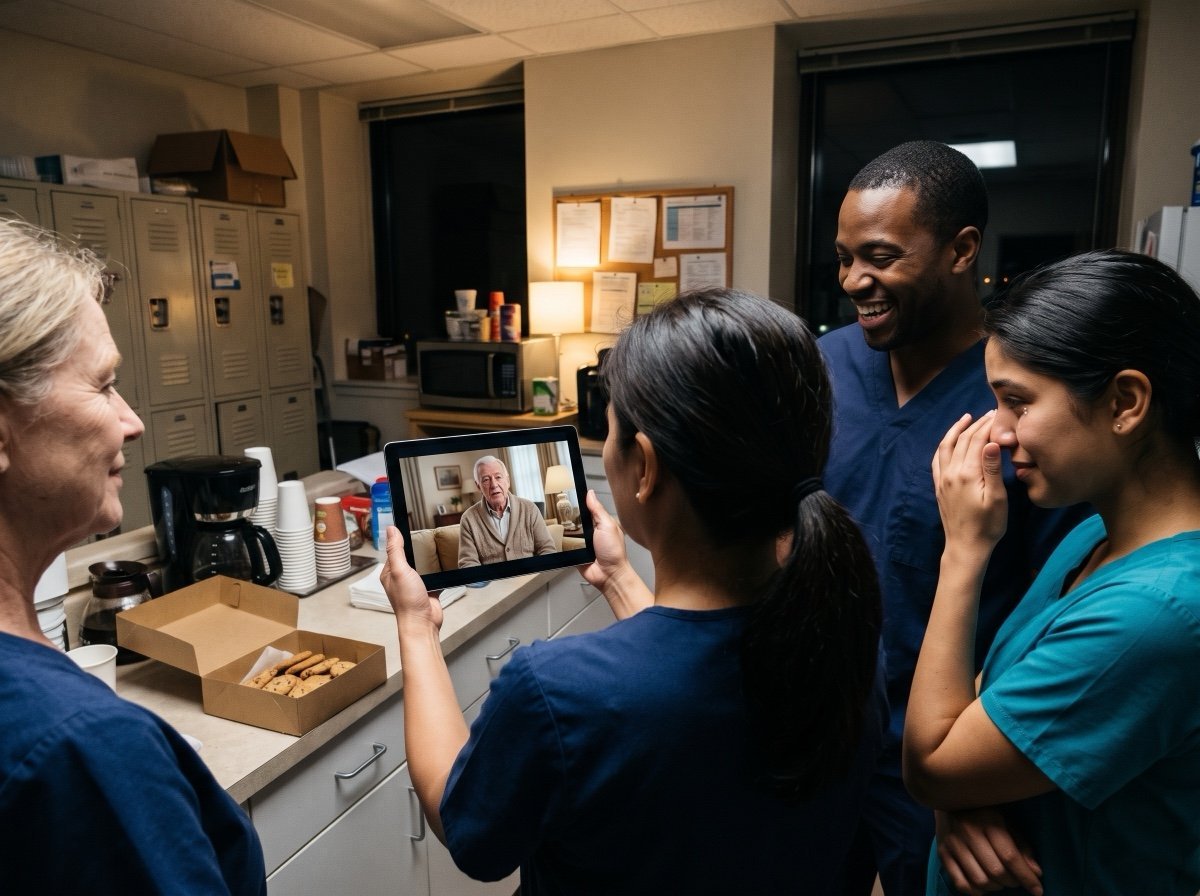
Say you manage a night shift you see twice a month, or a team in four time zones. Your praise is secondhand, and it sounds that way. That is where recognizing employees breaks down for many managers.
A Tribute group video turns that around. You do not have to witness every save, schedule a call for everyone, or write the praise yourself. The coworkers who were there record what they saw, and the person hears it from them.
If you have no time to put it together, our Concierge editors build the video for you.
It is the wrong answer for a small win on Tuesday. A sentence in the moment does that job; save the video for the bigger things.
What are good examples of recognizing employees in writing?
Short, specific and about the effect of the work.
- "Your checklist cut our close from five days to three. The whole finance team felt it."
- "Thank you for taking the escalations this week so the new hires could learn."
- "The customer named you in the renewal call. You earned that."
- "You made a messy handoff look easy. I noticed, and so did the client."
Swap in your own details. The structure, what they did and what it changed, is what makes these work recognition ideas land.
Which employee recognition ideas backfire?
The ones that feel automatic, unfair or about the company.
- Generic praise: "Great job, team" on every update stops meaning anything by March.
- The same three names: if the loudest people always win, the rest stop trying.
- Points with no words: a badge or a gift card with no reason reads as a process.
- Public praise for private people: some would rather get an email than a round of applause.
Fix all four with one habit: say what the person did, in your own words, in a way that suits them.
How do you recognize a whole team, not one person?
Name the result, then name each person's part in it.
Team recognition goes flat when it is one sentence for twelve people. Break it down: who found the bug, who wrote the fix, who stayed to test it. Recognizing employees as a group still means saying names.
For big wins, a team lunch plus a video where people thank each other works well. Peers know who carried what, and they will name details no manager would know.
How do recognition ideas fit into a program?
Ideas are the habits; a program is the calendar and the budget behind them.
Most corporate recognition programs combine peer shout-outs, manager praise, milestone awards and an annual event. If you are building one, our guide to employee recognition programs covers structure and budgets.
Gifts belong in the mix too. See employee appreciation gifts for team picks, or the best gift idea for employees by budget.
Frequently Asked Questions
What are some creative ways to recognize employees?
Ask a senior leader to send a note, give someone a stretch assignment, or make a group video where coworkers say what they did. In practice, creative means specific.
How often should you recognize employees?
Gallup recommends recognition every seven days. It does not need to be big; a sentence with a reason counts.
What is the difference between recognition and appreciation?
Recognition is about what someone did; appreciation is about who they are. The strongest thanks does both.
How do you recognize employees who do not like attention?
Thank them one to one, in writing, or credit them in your report to leadership. Ask how they prefer to be thanked.
What are good employee recognition awards?
Peer-nominated monthly awards, milestone awards for years of service, and team awards after a big project. A real reason read aloud matters more than the trophy.
What should you say when recognizing an employee?
Say what they did, what it changed, and that you noticed. "Your test plan caught the bug before launch, and the release went out clean" is enough.
Can recognition be done on a small budget?
Yes. Most of the ideas here cost nothing; the effort is in noticing and saying it.
👉 Let the coworkers who saw the work say it on video when you manage people you seldom see and want recognition that does not sound secondhand.