Hanukkah Traditions: The Classics and New Ones to Start
The core Hanukkah traditions are lighting the menorah each of the eight nights, eating foods fried in oil such as latkes and sufganiyot, playing dreidel for chocolate gelt, and singing and saying the holiday prayers. Many families add newer customs of their own: a gift theme for each night, a night for giving to others, or a family video that brings far-away relatives to the candle lighting.
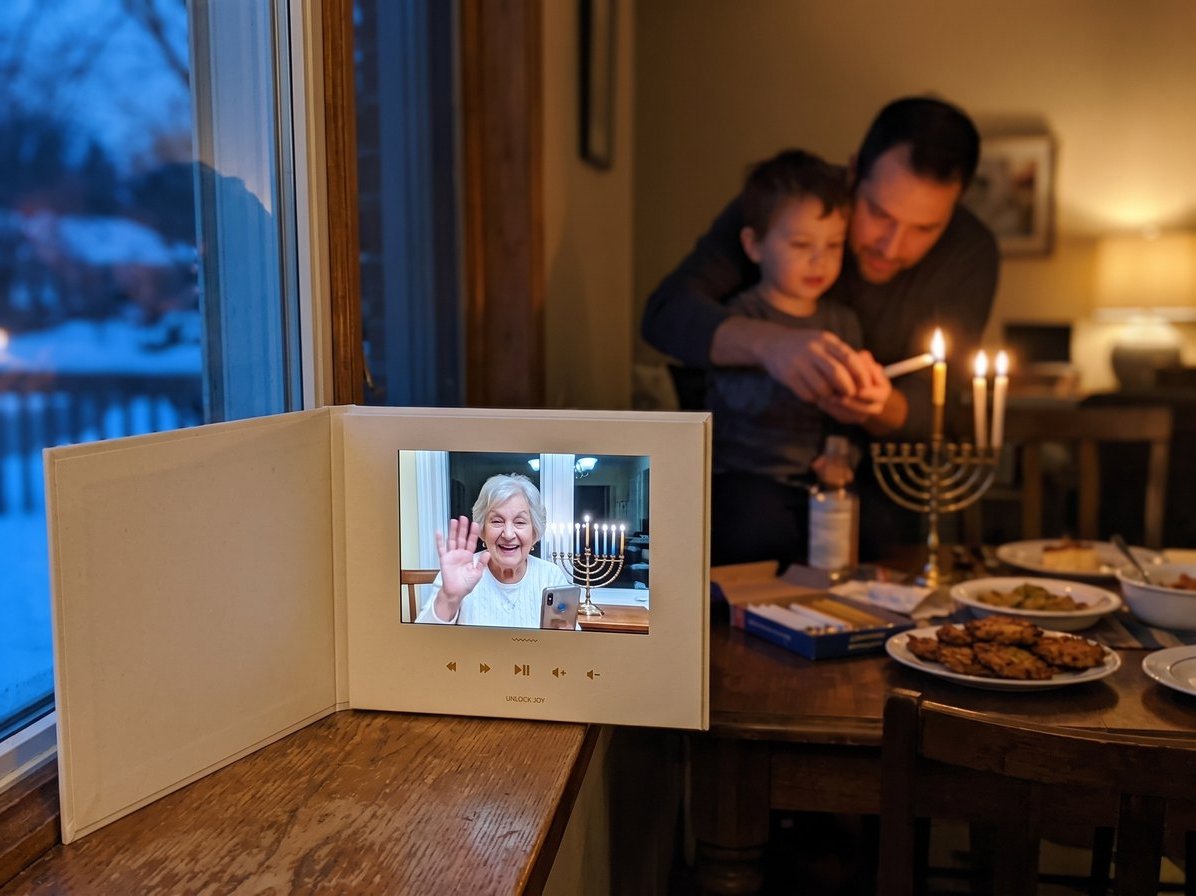
A note before the list: we make Tribute, the group video maker, and it's one of the ten traditions below.
What is the story behind Jewish Hanukkah?
Jewish Hanukkah marks a victory and a rededication. Beginning in 167 BCE, Jews led by Judah the Maccabee rebelled against the Seleucid king Antiochus IV, who had turned the Temple in Jerusalem into a pagan shrine. In 164 BCE they cleansed the Temple and rededicated it, and Chanukah means "dedication." Rabbinic tradition adds the story of a small jar of oil, enough for one day, that burned for eight, as My Jewish Learning's Hanukkah 101 explains.
Hanukkah starts on the 25th of the Hebrew month of Kislev, so its date moves on the regular calendar. In 2026 it begins at sundown on Friday, December 4, and ends at nightfall on Saturday, December 12.
What are the main Hanukkah traditions and customs?
These Hanukkah traditions and customs run from the oldest, set out in Jewish law, to newer ones families have built around them. Mix and match: no family does all ten every night.
1. Lighting the menorah
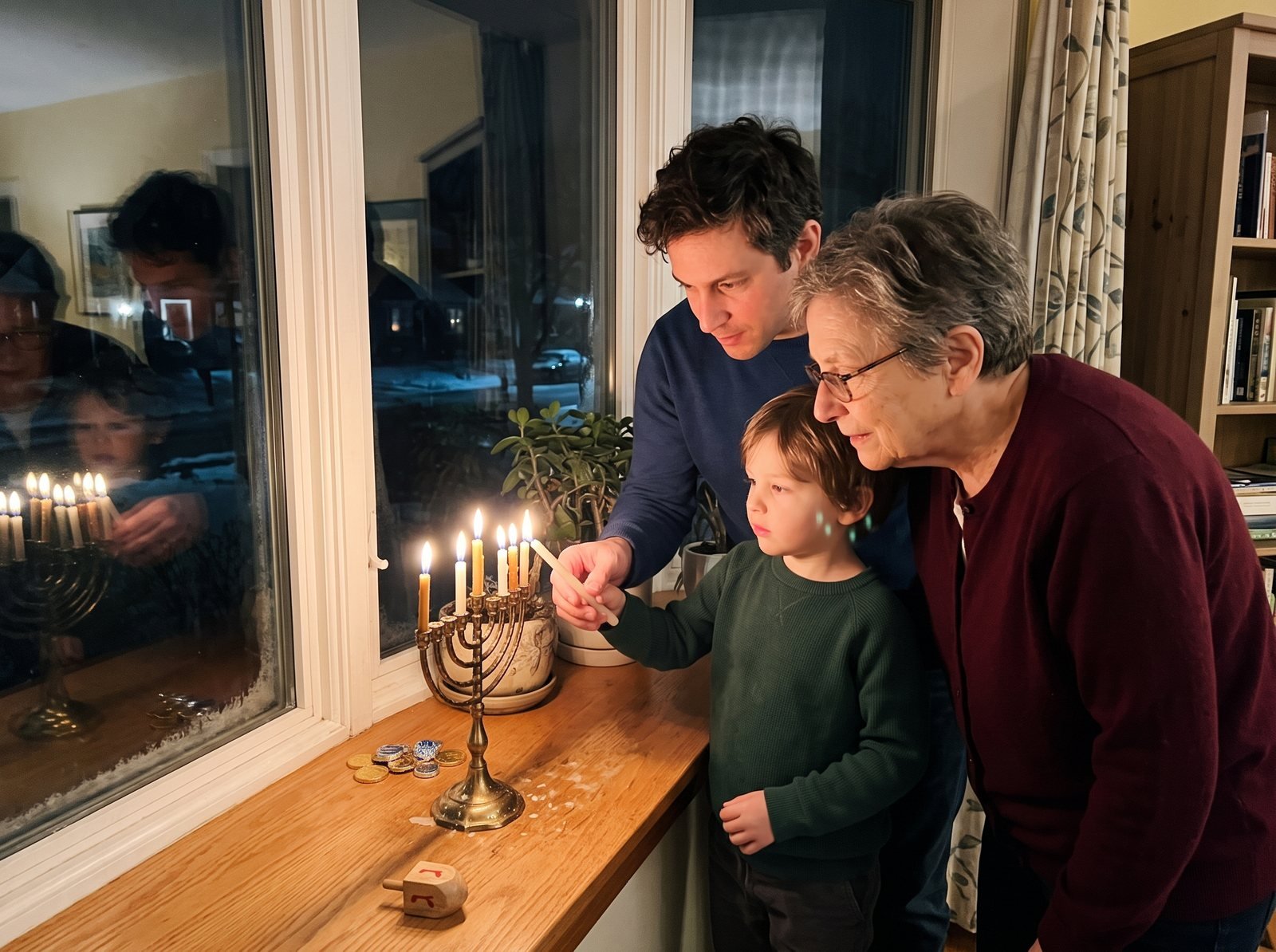
The center of the holiday. A Hanukkah menorah (also called a hanukkiah) holds eight lights in a row plus a ninth, the shamash or helper candle, set higher or apart, which lights the others. On the first night you place one candle on the far right; each night you add one more to its left. You light the shamash first, say the blessings, then light the newest candle first and move left to right.
According to Chabad's step-by-step guide on how to light the menorah, three blessings are said on the first night and two on the other nights. The menorah goes in a doorway opposite the mezuzah or in a window, so people passing by see the lights, and the flames should burn at least 30 minutes after nightfall.
- Traditional menorah: A traditional menorah burns olive oil with cotton wicks, the way the Temple lamp did; wax candles are fine too
- On Friday: Light before the Shabbat candles, with candles big enough to last into the night
Best for: Every household, every night.
Why it works: The menorah fills up night by night, so the whole family watches the holiday grow.
2. Foods fried in oil
Because the miracle was about oil, Hanukkah food is fried. Ashkenazi families make latkes, crisp potato pancakes served with applesauce or sour cream. In Israel, bakeries fill up with sufganiyot, the jelly-filled Jewish Hanukkah donuts dusted in powdered sugar. Sephardic families often make bimuelos, small fried dough puffs drizzled with honey or syrup.
- Time needed: An hour in the kitchen, more if you're feeding cousins
- Cost: Potatoes, oil and patience
Best for: A latke night with friends or the whole extended family.
Why it works: Food ties the story to the table, and everyone has an opinion about applesauce versus sour cream.
3. Dreidel and gelt
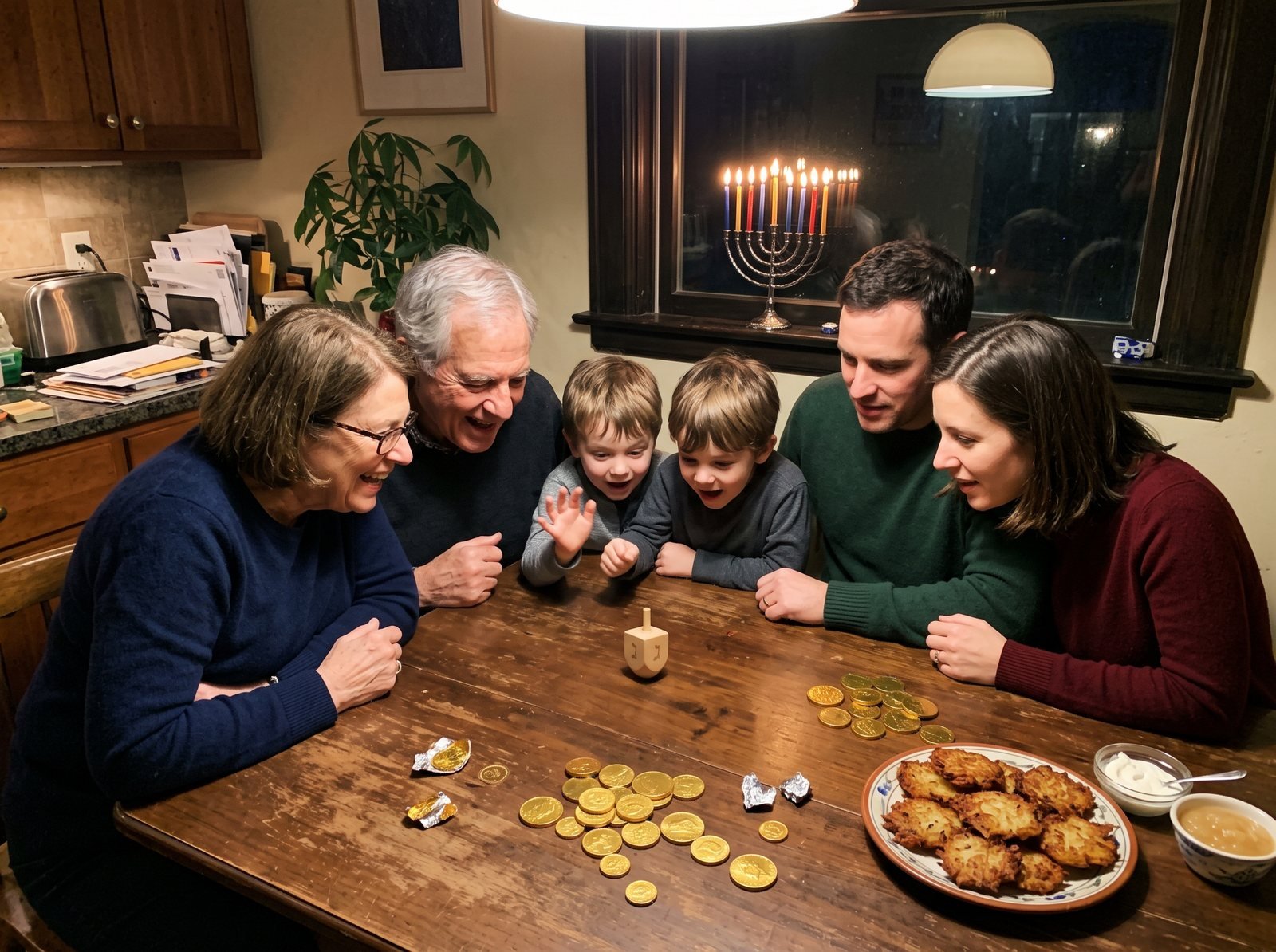
The four-sided top carries the Hebrew letters nun, gimel, hei and shin, for "a great miracle happened there." Players spin for chocolate coins called gelt, and the letter decides whether you win the pot, take half, put one in or do nothing. Our guide to the dreidel game has the full rules and six family variations.
- Time needed: 15 minutes while the candles burn
- Cost: A dreidel and a bag of gelt
Best for: Kids, grandparents and anyone with a competitive streak.
Why it works: It's simple enough for a four-year-old and lucky enough that the four-year-old can win.
4. A first-night family video (a Tribute group video)
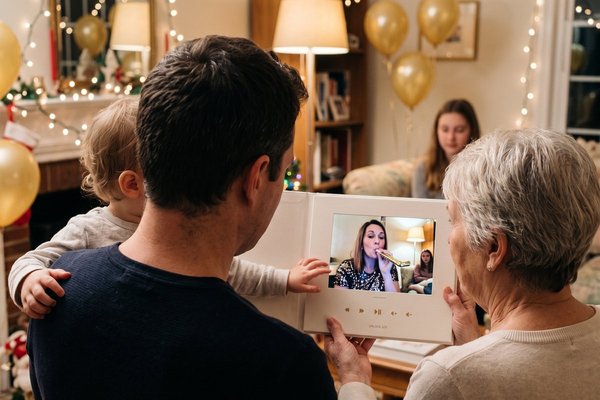
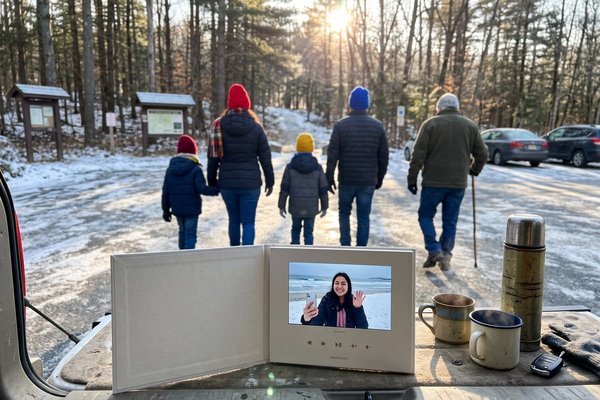
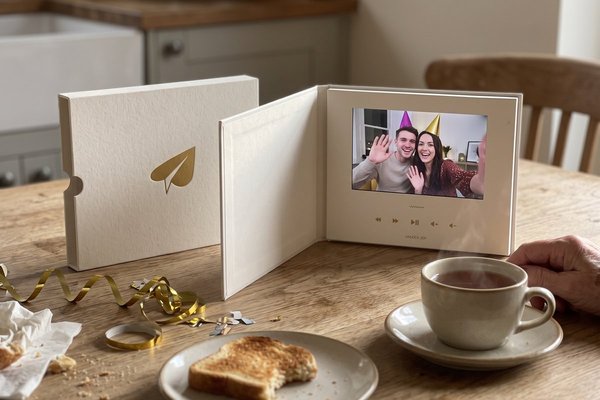
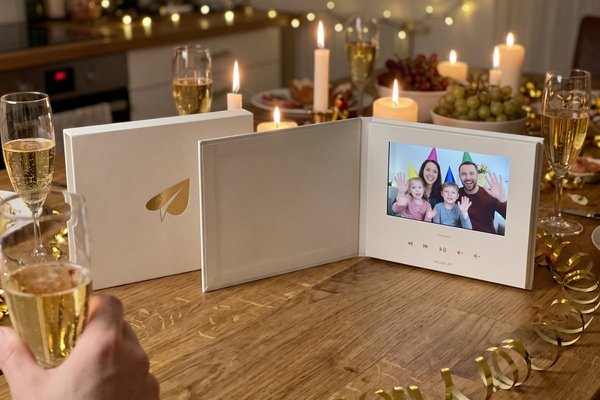
Here's a newer tradition for families spread across cities. Two or three weeks before Hanukkah, start a Tribute and invite every relative to record a short clip: a Hanukkah memory, a wish for the year or the grandkids singing the blessing. Tribute is a group video maker that turns messages from friends and family into one surprise video. It works by inviting everyone to record a short clip from their phone; Tribute compiles the clips, music and photos into a finished video you share or play together.
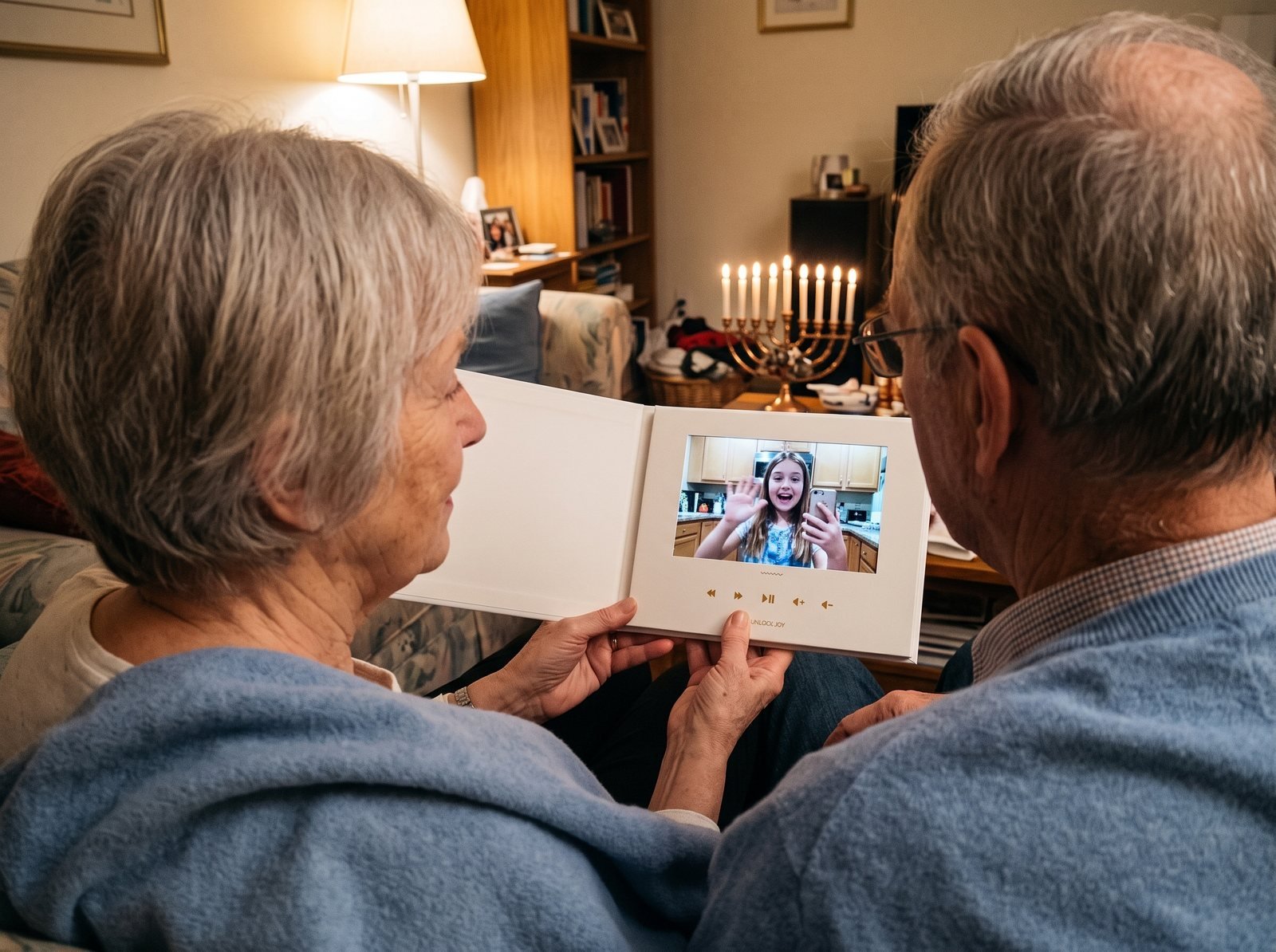
Play it on the first night, after the candles are lit. Picture the grandparents on the couch, the menorah in the window and thirty faces wishing them a happy Hanukkah one after another. Unlike a video call, nobody has to be online at the same time, and the clips are there to watch again next year. Over 8 million videos have been sent on Tribute, and it holds 4.9 stars from 7,000+ reviews.
- Time needed: 10 minutes to watch; open it 2 to 3 weeks before Hanukkah
- Cost: Free to start a draft; you pay from $35 when you publish and start collecting videos
Best for: Grandparents and families who can't all be at one menorah.
Why it works: Everyone who's missing still gets a place at the candle lighting.
5. Gifts and Hanukkah present traditions
The oldest Hanukkah present traditions are small: coins, nuts and raisins for the children. In the West, gift-giving grew over time into a bigger part of the holiday, and many families now give one small gift each night. Some give a theme per night (books, something homemade, a family outing) so the eight nights don't turn into a pile of boxes. Our Hanukkah gifts guide has ideas by age and budget.
- Time needed: A few minutes a night
- Cost: Whatever you set; gelt costs a few dollars
Best for: Families with kids counting down the nights.
Why it works: A theme per night keeps the focus on the time together rather than the presents.
6. Songs and prayers
After the candles, many families sing "Maoz Tzur" ("Rock of Ages"), and kids learn "I Have a Little Dreidel" long before they can read Hebrew. In synagogue and at home, the prayer Al HaNisim ("For the Miracles") is added to the daily prayers and the grace after meals, and Hallel, a set of psalms of praise, is said each morning.
- Time needed: 5 minutes after lighting
- Cost: Nothing
Best for: Musical families and anyone with a guitar in the closet.
Why it works: Singing gives the youngest kids a part to play while the candles burn.
7. Giving to others
Many families set aside one night for tzedakah, the Jewish practice of giving to those in need. Kids pick a cause, put coins in a box or bring food to a local pantry. Compared to a night of presents, it's the one they often talk about later.
- Time needed: An evening
- Cost: What you choose to give
Best for: Families who want one night to look outward.
Why it works: It shows kids that a holiday about light can bring light to someone else.
What are Hanukkah customs around the world?
The menorah, the blessings and the eight nights are shared everywhere, but customs differ by community. In many Sephardic homes, one menorah is lit for the whole household, while many Ashkenazi families give each person their own menorah to light. Food changes with geography too: latkes in Eastern Europe, sufganiyot in Israel, bimuelos across the Sephardic world.
8. Chag HaBanot, the festival of daughters
Jewish communities in Tunisia, Libya, Algeria and other parts of North Africa marked Rosh Chodesh Tevet, the new month that falls during Hanukkah, as a celebration of women. It honors Judith and other heroines from Jewish history. Mothers gave daughters gifts, and women gathered to light the candles, sing and make peace with friends they had drifted from.
Best for: Families with daughters, granddaughters and aunts to celebrate.
Why it works: It gives one night a focus on the women in the family and their stories.
9. Public menorah lightings
Lighting the menorah where others can see it is part of the mitzvah, and many towns now hold public candle lightings with music, donuts and a giant menorah. Going to one is an easy way to celebrate with your community and a good one for families far from relatives.
Best for: New neighbors, college students and families with little kids.
Why it works: The crowd turns your town square into one big living room for the night.
10. A themed night of your own
New traditions start with one good night. Try a latke cook-off judged by the grandparents, a pajama night with a Hanukkah movie, a night for game boards and gelt, or a night where everyone shares one thing they're grateful for. Repeat what works next year, and it becomes tradition.
Best for: Families who want each of the eight nights to feel different.
Why it works: Kids remember the night the latke cook-off went wrong far longer than any present.
What are the first night of Hanukkah traditions?
The first night has a few extra touches. A third blessing, Shehecheyanu, thanks God for bringing you to this moment, and it's only said on the first night. Many families save the biggest gathering, the first latkes and the family video for that evening. In 2026 the first candle is lit on a Friday, so families light the menorah first and then the Shabbat candles before sundown.
Menorahs are close to universal in Jewish homes: Pew Research Center's survey of Jewish practices and customs found that eight in ten U.S. Jews own one, and about seven in ten often or sometimes cook or eat traditional Jewish foods.
Celebrating with friends from other traditions this season? Our Christmas traditions list and wider holiday season guide help when the calendar overlaps.
Frequently Asked Questions
What are the most important Hanukkah traditions?
Lighting the menorah each night is the central mitzvah, along with saying the blessings and placing it where others can see. Fried foods, dreidel, gelt and songs are widespread customs that grew around it.
What is the 9th candle on the menorah?
It's the shamash, or helper candle. It sits higher or apart from the other eight, and you use it to light them each night.
Why do Jews eat fried food on Hanukkah?
Fried foods recall the oil that burned for eight days in the rededicated Temple. Latkes, sufganiyot and bimuelos are the classics, depending on where your family comes from.
Do you give gifts every night of Hanukkah?
Some families do, often one small gift a night, while others give one larger gift or focus on gelt. The oldest custom was coins and treats for children, so there's no single right way.
Which way do you light the menorah?
Add candles from right to left, and light them from left to right, starting with the newest one. Light the shamash first and use it to light the others.
Can you use an electric menorah?
An electric menorah works as decoration, but Jewish law asks for a real flame, oil or wax, to fulfill the mitzvah. Many families keep an electric one in the window and light a candle menorah at the table.
👉 Start a Tribute and bring the whole family to the first night, wherever they live.