Thank You for Your Hard Work: Messages That Name the Work
"Thank you for your hard work" lands when the next sentence says which work: the shift, the fix, the late night, and what it made possible. Here are messages for one person, a whole team and the coworker beside you.

| Part of the message | What to write | Example |
|---|---|---|
| The thanks | Say it first, in plain words | "Thank you for your hard work this month." |
| The work | One task, with a date or number | "You picked 1,200 orders on Black Friday." |
| The result | What it made possible | "Every customer got their order on time." |
| The person | A trait the work showed | "You stayed calm when the system went down." |
| The close | Something forward-looking or light | "Take Friday afternoon. You earned it." |
Why does "thank you for your hard work" sometimes fall flat?
Because on its own it could be sent to anyone, about anything.
People can tell a form letter from a note. The phrase is fine; it just needs company. Pick one or two parts from the table above and add them, and the same five words start to sound like you noticed.
Specific thanks also tends to come more often.
Among employees who get both feedback and recognition from their manager at least once a week, 61% are engaged, compared with 38% of those who get weekly feedback but less frequent recognition, per Gallup's 2024 research on feedback and recognition.
Which thank you for your hard work messages fit your situation?
Choose the group, then trade the example details for your own.
1. For one employee who carried a project
- "Thank you for your hard work on the audit. You found the $40,000 error nobody else caught, and the board noticed."
- "The new onboarding guide is yours start to finish. Three new hires used it this month and none of them had to ask me a thing."
- "You rebuilt the schedule twice when the client moved the date. Thank you for not letting it show on the work."
- "I know the launch ate your weekends. Thank you, and please take Monday."
Best for: A manager thanking one person after a big deliverable.
Why it works: A number or a date proves you were paying attention.
2. Thank you all for your hard work: messages for the whole team
- "Thank you all for your hard work this quarter. We closed 30 tickets a day while short two people, and nobody dropped a customer."
- "Thank you all for your hard work and dedication on the move. Monday we opened on time in a building that was boxes on Friday."
- "Team, the numbers are in and they are yours. Thank you for every extra call."
- "You made a hard month look organized from the outside. Inside, I know what it took. Thank you."

Say it in front of the team, then follow up with one line to each person about their part. The group message credits the effort; the personal one credits the person.
3. Say it on video, together (a Tribute group video)
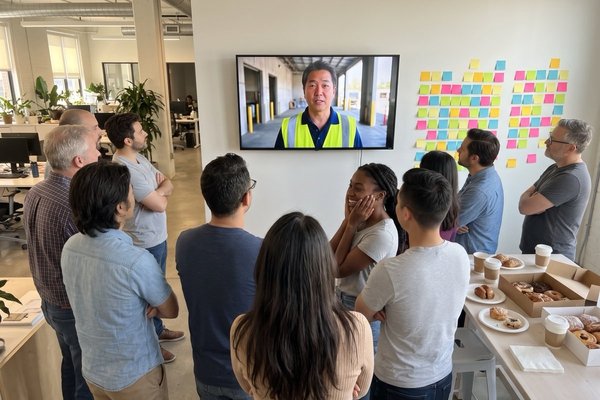
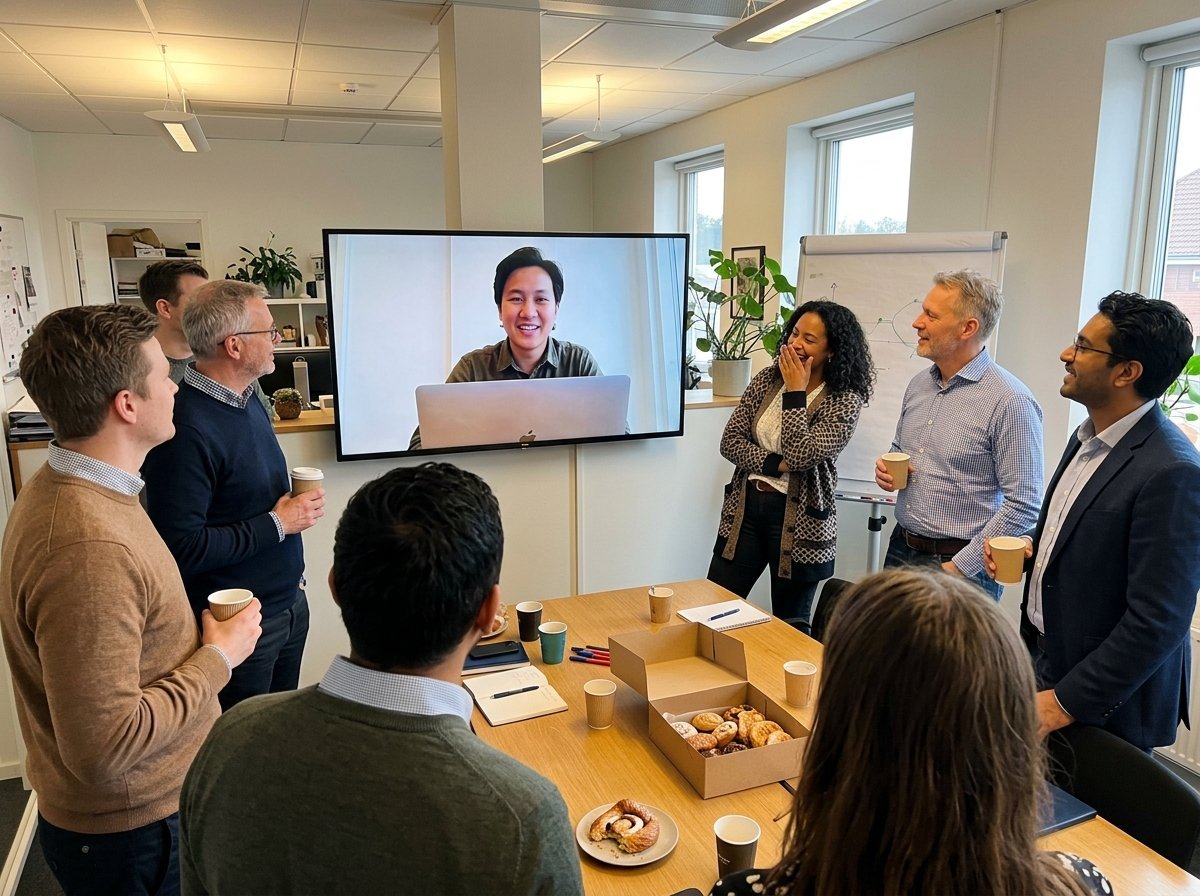
When a team pulled one person through, or a whole department wants to thank a crew, one message from one manager is not the whole story.
Disclosure first: we make Tribute, the group video gift.
Tribute is a group video gift that turns messages from coworkers into one surprise video.
It works by inviting everyone to record a short clip from their phone or computer; Tribute compiles the clips, music and photos into a finished video you share or play together.
Each person records one thank-you about one piece of the work, whenever they get a minute, day shift or night. Over 8 million video messages have been shared on Tribute, which holds 4.9 stars from 7,000+ reviews.
- Time needed: About a minute per person; start it 1 to 2 weeks before you plan to play it
- Price: Free to start a draft; from $35 when you publish and start collecting videos
Best for: A crew that worked across shifts, sites or time zones.
Why it works: Unlike a memo from the top, it lets the people who saw the work up close do the thanking.
👉 Have the team thank each other for the hard stretch if the effort was shared and the thanks should be too.
4. For a coworker who pulled extra weight
- "You took half my accounts while I was out. Thank you for your hard work and for never once making it weird."
- "I saw you stay until 8 to finish the deck we both needed. Good work, thank you, and next time I'm buying dinner."
- "Thank you for being the person who just does the thing. It makes every project lighter."
Peer thanks hits in a different place from a manager's. For more lines between colleagues, see our thank you messages for coworkers.
5. After a crunch, overtime or a bad week
- "That was a brutal week, and you held it together. Thank you. Let's never do it that way again."
- "Thank you for the overtime. I know it came out of your evenings, and I am working on making sure it doesn't happen again."
- "The outage lasted six hours and you were on for all of them. Go home, sleep, and know the whole company noticed."
Best for: The morning after.
Why it works: It admits the cost of the work instead of pretending it was easy.

6. For frontline, shift and field teams
- "Night shift: thank you for 52 weeks of covering the hours nobody else wants. The day team sees the handoff notes, and they are always clean."
- "To the drivers: every on-time delivery this winter happened on icy roads. Thank you for your hard work and for coming home safe."
- "Thank you to the floor team for 90 days without an injury. That is a habit, not luck."
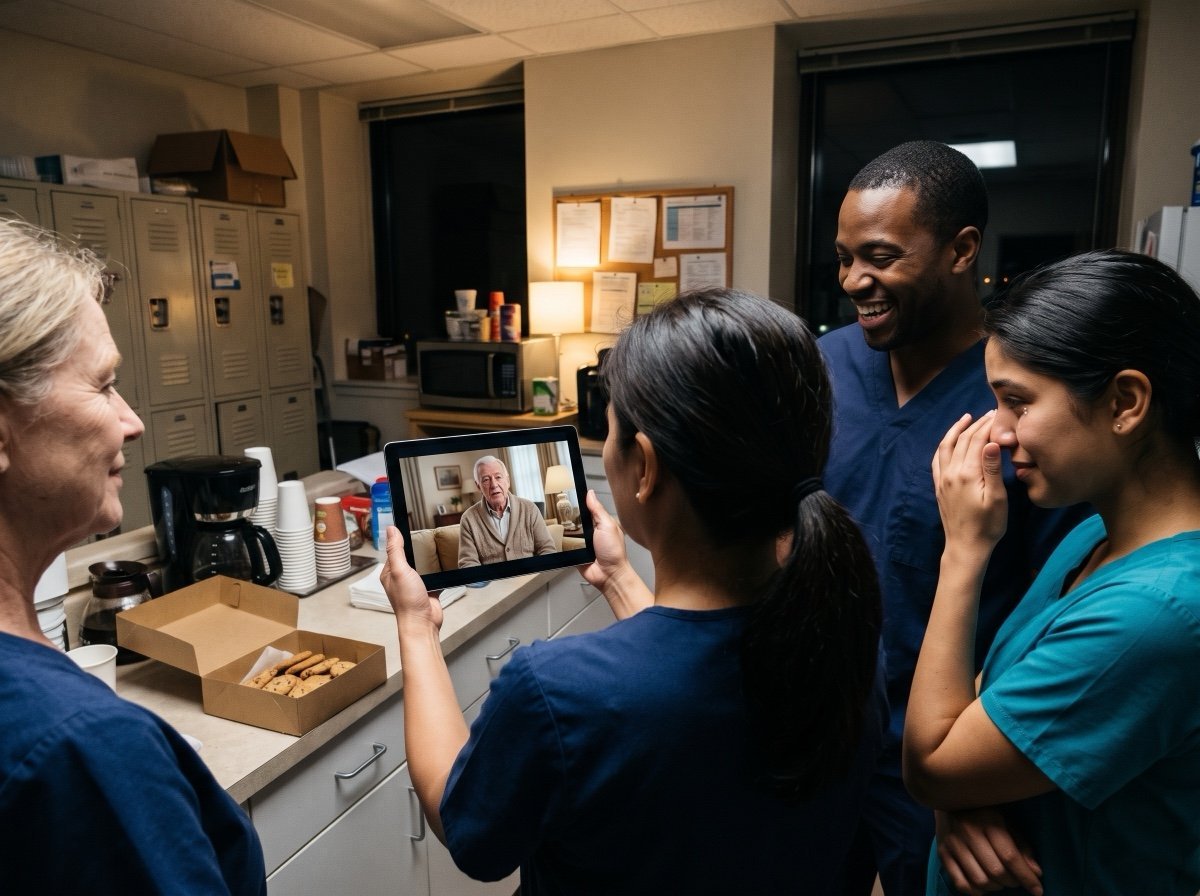
Post these where the team is: the break room, the shift huddle, the group text. A company-wide email seldom reaches the people it thanks.
7. Short good-work-thank-you lines for Slack
- "Good work, thank you. The client said yes."
- "Clean code, fast review, zero bugs. Thank you."
- "That reply to the angry customer was a masterclass. Thanks."
- "You made the 4 p.m. deadline at 3:52. Legend."
- "Saw the dashboard you built. Half the team is using it already. Thank you."
Is there a good appreciation quote for good work?
One we could trace to a real source is Theodore Roosevelt's.
"I don't pity any man who does hard work worth doing. I admire him." Roosevelt said it to the Brotherhood of Locomotive Firemen in Chattanooga, Tennessee, on September 8, 1902. Open a note with it, then name the work.
Can the thanks for hard work come from more than one person?
Yes, and for a manager thanking a team, that solves the problem this whole post is about.
"Thank you for your hard work" sounds generic from one person because one person only sees part of the work. Ask the people who were there, and the specifics come built in.
Say Dana led the warehouse through peak season. Her manager knows the numbers; the pickers know she covered a shift on Christmas Eve. With a Tribute from the crew, each of them says the part they saw.
You do not have to write a speech, gather everyone across three shifts or guess at details you missed. Concierge editors can put it in order for you, and it plays at the post-peak lunch.

It is the wrong answer for an everyday good job. A one-line message the same afternoon does that better.
How often should you say thank you for hard work?
More often than you think, and in smaller pieces.
In a Gallup survey of almost 15,000 employees, only 16% gave their last conversation with their manager the top rating for meaning, per Gallup's research on recognition and managers.
A specific thank-you is one of the easiest ways to make that conversation count. For habits that build it into the week, see our employee engagement ideas.
What does a thank-you letter for hard work look like?
Five short paragraphs, under 200 words, signed by hand if you can.
Use a letter when the effort ran for months: a system rollout, a merger, a year of covering an open role. A letter can be kept, reread and shown to family, which a Slack message seldom is.
- Open: "Dear Marcus, thank you for your hard work this year."
- The work: "You ran the ERP rollout across four sites while keeping your own accounts."
- The result: "We closed the books in five days in December, down from twelve."
- What you saw: "You trained twenty people and made every one of them feel capable."
- Close: "I am grateful, and so is the team. Enjoy the long weekend; it's on us."
Copy the shape, not the words. The letter only works if every detail in it is true of the person reading it.
Frequently Asked Questions
How do you say thank you for your hard work in a professional way?
Name the task and the result: "Thank you for your hard work on the Q3 report. It went to the board without a single change." That is professional and personal at once.
What can I say instead of "thank you for your hard work"?
Try "You made this possible," "I saw what that took," or "The launch happened because of you." Each one points at the effort and the outcome.
How do you thank a team for hard work in an email?
Open with the thanks, name the result in one line, and list a contribution from each person if the team is small. Keep it under 150 words.
Is "thank you for your hard work and dedication" too formal?
It can read like a template. Keep "dedication" only if you follow it with an example of it, such as the Saturday they came in.
Should you thank your boss for their hard work?
Yes, when it is specific and not tied to a request. Our guide to a thank you message for your boss has lines that stay sincere.
Does saying thank you for hard work keep people motivated?
It helps when it is specific and comes soon after the work. People who hear what their effort changed know the work mattered, which is a better reason to keep going than a generic "great job" at the end of the year.
What else can you do besides saying thanks?
Time off, a team lunch or a public shout-out at the all-hands. Our employee appreciation ideas sort options by budget.
👉 Let everyone who saw the work say thank you after a stretch your team carried together, so the person hears every part that mattered.