
Mother’s Day Traditions Worth Starting (and the Best Ones to Keep) (2026)
The best Mother’s Day traditions are the ones that show up every year without being asked and become part of how a family defines itself.
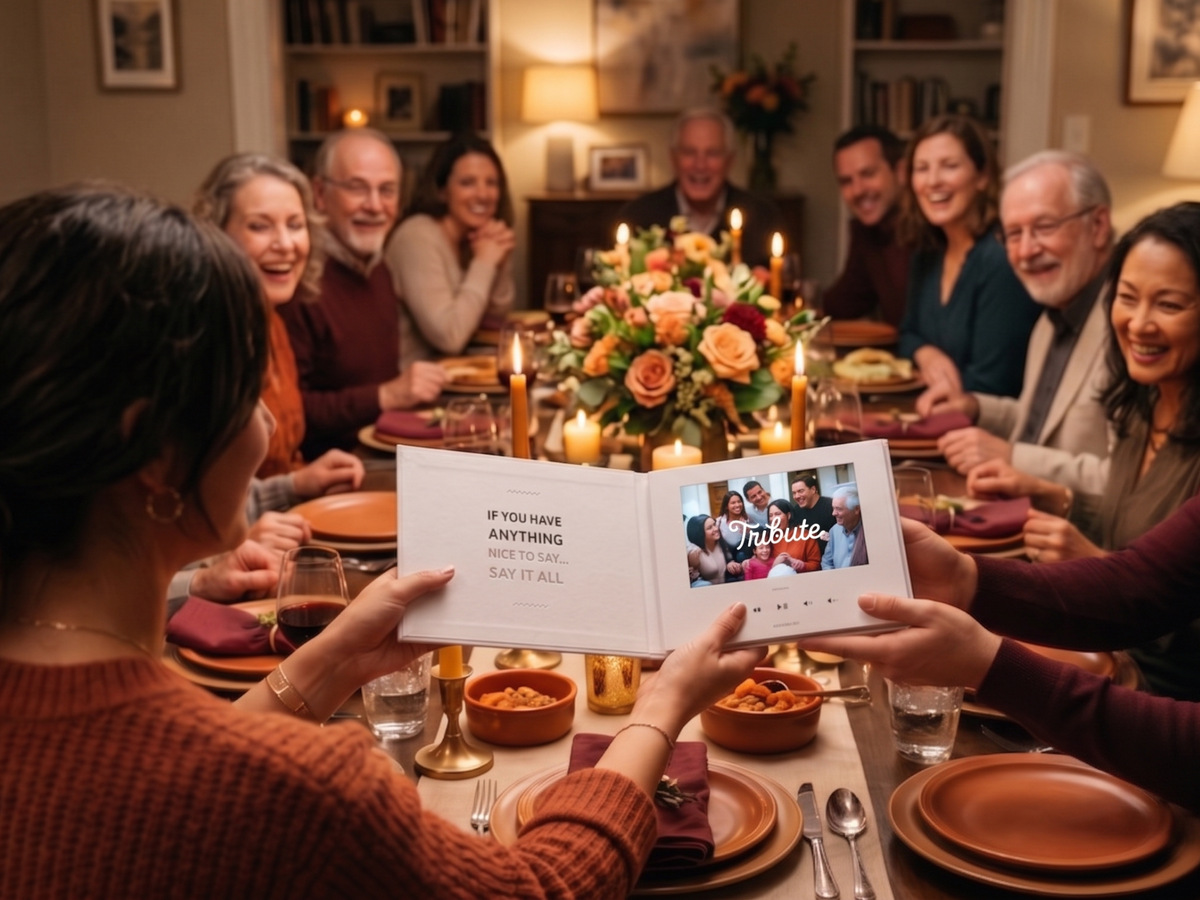
The best Mother’s Day traditions are the ones that show up every year without being asked and become part of how a family defines itself. Whether you’re starting your first tradition or building on ones that already exist, this guide covers the most meaningful ideas and how to make them stick.
Why Do Mother’s Day Traditions Matter?
Traditions give people something to look forward to and something to remember. A study published in the Journal of Experimental Psychology found that rituals and traditions increase the meaning people assign to experiences, even when the experience itself is simple. On Mother’s Day, a tradition signals something important: that she matters enough that the family keeps returning to the same gesture, year after year.
The best traditions are low pressure and high meaning. They don’t require a large budget or elaborate planning. They require consistency, which is actually the harder thing to give.
What Are the Best Mother’s Day Traditions to Start?
The Annual Family Photo
Same group of people, same basic setup, every Mother’s Day. Print it and display it alongside the previous year’s version. After five years, you have a wall installation that tracks time in the most honest way possible.
Best for: Families who value visual memory and want a tradition the whole family participates in.
Why it works: The accumulation is the point. One photo is nice. Fifteen years of the same photo is something you look at and feel.
The Handwritten Letter
Every year, each child writes her one letter. They’re collected and kept. The rule is one page, handwritten, and must include at least one specific memory from the past year. After ten years, she has a box of letters that constitutes the most meaningful archive anyone could give her.
Best for: Families where emotional expression through writing comes naturally, or where kids need structure to participate meaningfully.
Why it works: The accumulation of letters, especially as the kids grow up and the handwriting changes, becomes an artifact of childhood that nothing else captures the same way.
The Annual Memory Video
Each year, ask everyone who loves her to record a short video message. Compile them into a Tribute video. Over years, she accumulates an annual record of everyone in her life saying something real on camera.
Tribute is a group video gift platform that lets you collect personal video messages from kids, family, and friends into a polished Mother’s Day montage. It works by sharing a link, contributors record from any device with no app needed, and Tribute compiles everything into one video she can rewatch whenever she wants. With over 8 million video messages created on the platform, it’s built for exactly this kind of gathering.
Starting this as an annual tradition is one of the most valuable things a family can do. In ten years, she’ll have a decade of everyone she loves, caught at the age they were, saying what they wanted to say. That’s not something you can recreate after the fact.
👉 Start this year’s Mother’s Day Tribute video at tribute.co
The Mother’s Day Breakfast She Doesn’t Cook
Simple rule: she is not allowed in the kitchen before noon on Mother’s Day. Whoever handles the cooking varies by year. The kids rotate. This one scales well as kids get older because the cooking quality actually improves over time.
Best for: Families where cooking together is already part of the culture.
Why it works: The rule is the tradition. The consistency of “you don’t cook today” communicates more than the specific food does.
Her Favorite Flowers, Every Year
Find out what her actual favorite flower is. Not roses by default. Tulips, dahlias, ranunculus, peonies, whatever she’d choose. Get those specifically, every single year. The repetition of “you remembered” is its own accumulating gift.
Best for: Any family. One of the most universally scalable traditions on this list.
Why it works: Remembering the specific thing is the gesture. Generic flowers say “I got flowers.” Her specific flowers say “I know you.”
See also: Personalized Mother’s Day Gifts That Show You Really Know Her
What Are Good Mother’s Day Traditions for Young Kids?
The Handprint Craft (With an Annual Update)
Every Mother’s Day, each child puts their handprint on paper or clay. Date it and display it. After several years, the progression of hand sizes becomes one of the most quietly devastating visual records of childhood you can have.
Best for: Families with young children who want a craft tradition that carries meaning over time.
Why it works: Kids love the activity. Parents love the record. What starts as a craft becomes a keepsake she’ll protect forever.
The Question Interview
Every year, ask the kids the same set of questions about Mom: How old is Mom? What’s her favorite food? What does Mom do best? Record the answers in writing or on video. The responses at age 5 compared to age 12 are extraordinary.
Best for: Families who value humor and the way children see the world.
Why it works: Kids’ answers are always a mix of wildly inaccurate and startlingly perceptive. The record of how they see her at each age is priceless.
Breakfast in Bed, Upgraded Each Year
Start simple: toast and juice at age five. By age twelve, they’re making eggs and a proper pot of coffee. The tradition grows with the kids. She never quite knows what she’s going to get, which is part of the charm.
Best for: Families where the kids are the primary gift-givers and learning to cook is part of their development.
Why it works: She gets to watch them grow up through the quality of breakfast. By the time they’re teenagers, it’s actually good.
See also: First Mother’s Day Gift Ideas for New Moms
What Are Mother’s Day Traditions for Adult Families?
The Annual Trip, Just Her and the Kids
One day trip, every year, chosen by her. A museum, a coastal town, a new restaurant, a city she’s been meaning to visit. No partners, no grandkids on this one. Just her and her children, wherever she wants to go.
Best for: Adult families where carving out time for just the original unit matters.
Why it works: As families expand with partners and grandchildren, the original relationship can fade in the noise. This tradition protects it.
The Passing of a Recipe
Each Mother’s Day, she teaches someone a family recipe. Not from a written card but from watching her hands and asking questions. Record the process on video. After years, you have a video archive of family food history told in her voice.
Best for: Families with strong food culture or a matriarch whose cooking is central to family identity.
Why it works: The recipe is the delivery mechanism. The real gift is the recorded time with her, doing what she loves.
The Champagne Breakfast
Every Mother’s Day, regardless of what else is happening, breakfast includes good champagne or sparkling wine. It’s a signal: today is different. Even a Tuesday-level brunch becomes an occasion when there’s champagne before noon.
Best for: Adult families who enjoy the small signal of celebration.
Why it works: Rituals don’t need to be elaborate to be effective. A single consistent element that appears every year is enough to mark time.
What Are Virtual Mother’s Day Traditions for Long-Distance Families?
The Annual Video Call Brunch
Everyone logs on at the same time with their own food and drink. The structure is consistent year to year: someone reads a poem, someone shares a memory from the past year, the kids do something silly. Keep it under 90 minutes so it stays enjoyable rather than obligatory.
Best for: Families spread across different cities or countries who can’t be together in person.
Why it works: Consistency of format is what makes it feel like a tradition rather than a call. She knows what to expect and looks forward to it.
The Annual Video Tribute Collection
Every year, whoever is organizing sends out the Tribute link a few weeks before Mother’s Day. People record. The video is compiled. She watches it on Mother’s Day morning. By year five, she has a collection of annual tributes she returns to regularly.
Best for: Large families or families where people can’t always be together and want a way to make distance feel smaller.
Why it works: The consistency of the tradition gives it accumulating weight. The first video is meaningful. The tenth video, where you can watch how everyone has aged and changed, is something else entirely.
See also: Virtual Mother’s Day Ideas for Long-Distance Families
How Do You Start a New Tradition That Actually Sticks?
The mistake most people make with traditions is waiting until they have the perfect version. Start with something simple and repeat it. The repetition is what makes it a tradition, not the complexity.
Tell people about it: “This is what we’re doing from now on.” That verbal commitment makes it more likely to continue. If the first year goes well, mention it before the second year: “We’re doing the same thing again.” By the third year, it’s established enough that skipping it would feel like a loss.
The traditions that stick are the ones that require almost no effort to maintain once they’re running. The simpler the format, the more likely it continues across the different seasons of family life.
See also: Meaningful Gifts for Mom That Go Beyond the Material
Frequently Asked Questions About Mother’s Day Traditions
What are good Mother’s Day traditions to start with young kids?
The best traditions for young kids are simple, repeatable, and involve making something rather than buying something. Annual handprint crafts, a recorded interview about Mom, breakfast in bed, and planting something in the garden together are all traditions that scale well as kids grow. The value accumulates over years, so starting early is an advantage.
What is the history of Mother’s Day traditions?
Mother’s Day in the United States was founded by Anna Jarvis in 1908 and officially recognized as a national holiday in 1914. Jarvis originally envisioned it as a day for writing personal letters to mothers, not purchasing gifts. Over time, the holiday shifted toward commercial gifts, something Jarvis herself opposed. The most enduring personal traditions tend to return to her original vision: time, presence, and sincere acknowledgment.
How do you create a Mother’s Day tradition the whole family will remember?
Involve everyone in the first one and keep the format simple enough to repeat. Announce it as a tradition from the first year: “This is what we do now.” Repeat it consistently, even imperfectly. The repetition is what creates the feeling of tradition. After three years, it will feel established enough that people look forward to it without being reminded.
What are virtual Mother’s Day traditions for families who live far apart?
An annual structured video call where the format stays the same each year works well for distance families. A group video tribute collected through a platform like Tribute is another strong annual tradition. Sending the same type of gift every year, her specific flowers, a handwritten letter from each child, or a family photo, creates consistency even across distance.
What should a new Mother’s Day tradition include?
The best new traditions include an element she receives rather than manages, a group component so it doesn’t rest on one person, and something that creates a record over time: a photo, a letter, a video. Traditions that produce a physical or digital artifact are more likely to feel meaningful year after year because the accumulated archive becomes its own gift.
How do you keep a Mother’s Day tradition going as kids grow up?
The traditions that survive childhood are the ones that don’t require the kids to be young. Formats that evolve naturally, like a letter that gets more sophisticated as they age, or a video that captures them at different life stages, continue to feel meaningful without needing to stay the same. Establish the rule, not the rigid format, and let the content grow with the family.
Start This Year. Keep Going.
The best time to start a Mother’s Day tradition is now, with this year’s celebration. The second best time was years ago. Either way, the first one you do is the most important: it sets the pattern everything else follows.
A group video tribute, where everyone in her life records something real on camera, is one of the most meaningful traditions you can start. By year three, she’ll have a collection of videos that shows everyone she loves at different moments in their lives, saying things they rarely say out loud. That’s not something you can buy. It’s something you build, one Mother’s Day at a time.


