
Memorial Video Examples: Ideas and Inspiration (2026)
Memorial video examples show what is possible when a community comes together to honor someone they loved.
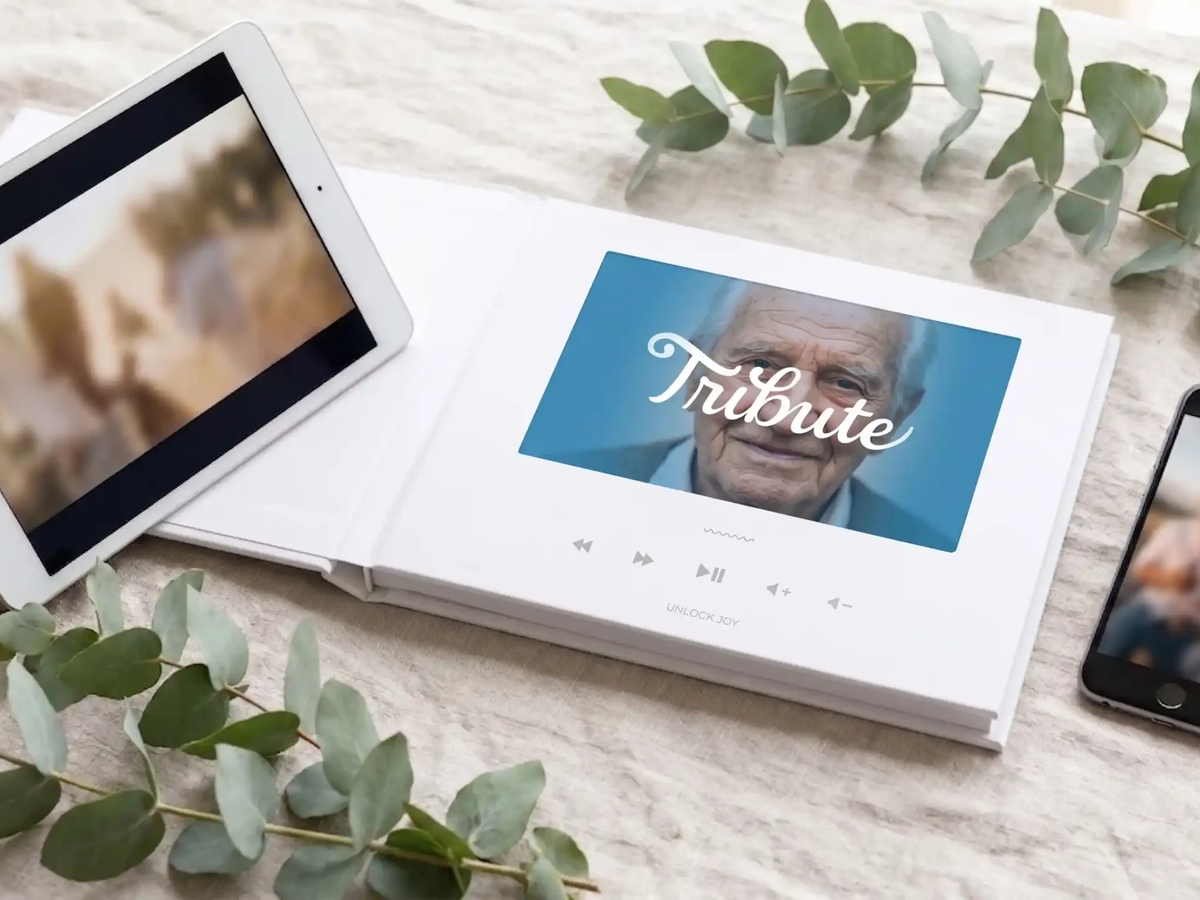
Memorial video examples show what is possible when a community comes together to honor someone they loved. The most meaningful formats range from simple photo montages set to music, to collaborative message reels where dozens of people share a memory on camera. Each format works differently, and the right choice depends on who will create it, who will watch it, and what you most want to preserve.
What Makes a Memorial Video Truly Meaningful?
The technical quality of a memorial video matters far less than its emotional authenticity. A shaky phone recording of a grandmother telling a story from her childhood carries more weight than a polished production that never gets close to who she actually was. The formats that work best are the ones that bring the real person into the room.
According to the Hospice Foundation of America, viewing a memorial that captures the voice or image of a deceased loved one can provide significant comfort during bereavement. The brain responds to familiar sensory cues, voice, laughter, gesture, in a way that still images cannot fully replicate.
A sample memorial video that resonates tends to have three qualities: specific details rather than general praise, emotional range (not only sadness), and contributors who knew the person from different parts of their life. A tribute video example that only features immediate family misses the perspective of colleagues, friends, and community members who may have known sides of the person that family never saw.
What Are the Main Formats for Memorial Videos?
Different formats serve different purposes. Here are the most common types, what each involves, and what makes each one work.
Photo Slideshow Montage
A photo slideshow is the most accessible memorial video format. It combines photographs from across a person’s life, set to music that held meaning for them. Most families can assemble one using a phone or computer without specialized software.
Best for: Families who have a strong photograph archive and want a format that can be ready quickly, within hours of gathering photos.
Why it works: Photographs placed in chronological order tell a visual life story. When paired with music that the deceased loved, the slideshow creates an emotional atmosphere that grounds the service without requiring anyone to speak.
See also: Memorial Video Ideas for Every Format and Budget
Recorded Interview or Oral History Video
A recorded interview captures the person in their own words. This format is most powerful when recorded while the person is still alive, as part of an advance legacy project. It can also be assembled posthumously by recording conversations with people who knew the deceased well, asking them to speak directly to camera as if speaking to the person or to future family members.
Best for: Families who want to preserve specific stories, life lessons, or the sound of someone’s voice for future generations.
Why it works: Unlike a photograph, video preserves cadence, humor, expression, and the specific way a person used language. A great-grandchild watching this footage decades from now will hear an actual voice rather than reading someone else’s description of it.
Collaborative Message Reel
A collaborative message reel gathers short video contributions from many people across a community. Each contributor records a brief message: a memory, a thank-you, a favorite quality, a specific moment they want to share. These clips are compiled into a single video that reflects the full breadth of a life.
This is the format that Tribute is built for. Tribute (tribute.co) is a group video gift platform that lets you collect personal video messages from friends, family, and community into a polished memorial montage. It works by sharing a link, contributors record from any device, no app needed, and Tribute compiles everything automatically.
Unlike a single recorded interview, which captures one person’s view, a collaborative reel captures the whole community’s experience of someone. Unlike a photo montage, it preserves voice, face, and the specific words people chose. Over 8 million messages have been sent through Tribute, and 82 percent of recipients cry tears of joy on receiving one.
Best for: Families and communities who want a format that feels personal to many people, not just the family who organized it.
Why it works: Contributors who live in different cities, who knew the person from different chapters of their life, and who might not otherwise have a way to participate in the memorial are given a direct, easy route to share what they remember. The result is a tribute video example that no single person could have created alone.
See also: How to Make a Memorial Video Step by Step
Music Video Tribute
A music video tribute sets photographs, video clips, and sometimes text to a single piece of music that carries specific meaning. This format works best when the song chosen had clear significance to the deceased or to their relationship with the people mourning them.
Best for: Families where music played a central role in the person’s life, or where a specific song is strongly associated with their memory.
Why it works: Music activates emotional memory in a distinct way. A well-chosen song can communicate grief, love, and celebration without a single spoken word, and it gives attendees something to anchor their feelings to during the service.
See also: Memorial Video Songs: How to Choose the Right Music
Documentary-Style Memorial Video
A documentary format combines archival footage, photographs, recorded interviews, and narration into a longer, structured account of a person’s life. This format requires more time and skill to produce but results in the most comprehensive record.
Best for: Families where someone has the time and skills to take on a larger project, or where a professional videographer is engaged.
Why it works: The documentary format allows for complexity and nuance. It can trace a person’s story from childhood to adulthood, include context that photographs alone cannot provide, and build toward an emotional conclusion in a way that shorter formats cannot.
What Does a Real-World Group Memorial Video Look Like in Practice?
One of the most powerful examples of what a group memorial video can do came from a community that gathered to honor a Google.org engineer named Dan Fredinburg, who died in 2015 while climbing Mount Everest during the earthquake that struck Nepal. The people who loved him, colleagues, friends, family, came together to record their memories and reflections, and the result captured not just grief but the full measure of a life lived with curiosity and generosity.
That video became something the people who made it could return to. It held the voices of the people who knew him at the moment when their love for him was most immediate and most clear. Watch the tribute that was made for Dan:
What made this memorial montage work was not its production quality or its length. It was the specificity of what people chose to say. Contributors spoke to what made Dan himself, not what made grief universal. That specificity is the difference between a sample memorial video that moves people and one that simply documents a loss.
How Do You Choose the Right Format for Your Memorial Video?
Start with what you have. If you have a strong photo archive, a slideshow is achievable within hours. If you have access to existing video footage of the person, a documentary or music tribute may be possible. If you want to involve the whole community and gather perspectives from people across the country, a collaborative message reel is the right tool.
The National Funeral Directors Association notes that memorial videos are among the most requested elements of contemporary funeral services. Families increasingly want something that can be shared digitally with those who cannot attend in person, replayed on anniversaries, and passed down to younger generations who never had the chance to know the person being honored.
A format that is easy to contribute to, accessible from any device, and compiled without requiring technical expertise from the family is worth prioritizing when time and emotional energy are limited. The What’s Your Grief resource library also includes guidance on how to approach memorial video projects for families in early grief, emphasizing low-barrier formats that reduce the burden on the organizer.
See also: How to Honor the Memory of a Loved One
What Songs and Music Work Best in a Memorial Video?
Music in a memorial video should reflect the person, not the occasion. A generic “sad song” chosen because it fits the mood of grief may feel hollow compared to a song the deceased played constantly, sang along to, or associated with a specific period of their life.
Ask family members to name one or two songs that feel true to who the person was. You will find a consistent few coming up repeatedly. Those are the right choices. Unlike background music chosen for atmosphere alone, a song that the community already associates with the deceased creates a moment of shared recognition that needs no explanation.
When the format includes spoken contributions from many people, music works best at the opening and closing rather than underneath every clip. Voices carry more when they are not competing with a score.
Frequently Asked Questions About Memorial Video Examples
What is a memorial video?
A memorial video is a visual tribute created to honor someone who has died. It may combine photographs, video clips, recorded messages, music, and text to capture who the person was and how they were loved. Memorial videos can be shown at a service, shared digitally with those who cannot attend, or kept as a lasting archive for future generations.
What are some memorial montage ideas?
Common memorial montage ideas include a photo slideshow set to meaningful music, a compilation of short video messages from friends and family, a documentary-style narrative of the person’s life, and a music tribute that pairs footage with a song that had special meaning. Each format works differently; the best choice depends on what materials you have and how many people you want to involve.
What makes a good tribute video example?
A strong tribute video example includes specific details rather than general statements, contributions from multiple people who knew the person from different contexts, and at least one element that captures the person’s actual voice, humor, or manner of speaking. Technical quality matters far less than emotional truth.
How do I make a sample memorial video without professional help?
Start by gathering photographs and any existing video clips. Choose one or two songs that the person loved. Use a free slideshow tool or a platform like Tribute that handles compilation automatically. If you want to include video messages from friends and family, share a Tribute link and let contributors record from their own devices without any coordination required.
How long should a memorial video be?
For a service, three to seven minutes is typical for a slideshow or music tribute. A collaborative message reel can run longer if the contributions are strong, but most families find that ten to fifteen minutes is the comfortable upper limit for a service setting. For an archive intended for family use rather than public showing, length matters less than completeness.
Can I include a memorial video in an online funeral or live-streamed service?
Yes. A pre-rendered video file can be shared on any streaming platform or played directly during a live-streamed service. A collaborative memorial video can also be shared as a link after the service, allowing people who were not present to watch it on their own time. This is one of the reasons group video tributes have become a standard part of contemporary memorial services.
What is the difference between a memorial video and a tribute video?
The terms are used interchangeably in most contexts. Some families use “memorial video” to refer to something shown specifically at a funeral service and “tribute video” to refer to a broader collection of messages and memories intended for ongoing family use. The formats and methods are identical; only the intended context differs.
Your Memorial Video Does Not Need to Be Perfect to Be Powerful
Memorial video examples from the simplest slideshow to the most collaborative message reel all share the same quality when they work: they bring the person back into the room, even briefly, in a way that feels true. The format matters less than the decision to gather what exists and put it in a form that lasts.
Unlike a single photograph, a video memorial captures voice, movement, and the words of the people who loved someone most. Unlike a written eulogy, it lets every contributor speak in their own words rather than filtering everything through a single voice.
👉 Start a Tribute memorial video and gather messages from everyone who knew them


