When you open a sympathy card and face a blank page, the right thing to write is something true, specific, and brief. Acknowledge the loss, mention something real about the person who died or your relationship with the grieving person, and offer your presence. This guide gives you 80+ original sympathy card messages organized by relationship and tone, plus practical guidance on length, what to avoid, and when a card might not be enough on its own.
Why Is It So Hard to Know What to Write in a Sympathy Card?
Most of us spend very little time around death and grief, which means we have no practiced language for it. The blank inside of a sympathy card can feel like the most demanding page you have ever had to fill. Research from the Hospice Foundation of America consistently finds that bereaved people value contact from friends and community above almost anything else. The act of writing matters. The words just need to be honest.
Fear of saying the wrong thing is the most common reason people write nothing, or write only “thinking of you” when they wanted to say so much more. This guide takes that pressure away.
What Are the Basics of Good Sympathy Card Wording?
Effective sympathy card wording follows three simple principles. First, acknowledge the loss directly. Second, say something true, either about the person who died or about the relationship between you and the grieving person. Third, offer something specific, whether that is your presence, a memory, or a concrete offer of help.
What to say in a sympathy card does not require eloquence. It requires honesty. A sentence that rings true is worth more than a paragraph of polished platitudes.
See also: 100+ Condolence Messages for Every Situation
What Should You Write in a Sympathy Card for a Parent?
These sympathy card messages are written for someone who has lost a mother or father. They are original and self-contained, ready to use or adapt.
- “Your mom was one of those rare people who made everyone around her feel at home. She will be deeply missed.”
- “I am so sorry about your dad. The time I spent with him always left me in a better mood than when I arrived.”
- “Losing a parent is losing one of the people who knew you longest. My heart is with you.”
- “Your mother raised someone I am proud to call a friend. That is a testament to who she was.”
- “Your dad’s stories were the kind that stayed with you for years. I am grateful I got to hear some of them.”
- “I am thinking of you and your whole family. Please do not hesitate to reach out.”
- “Your mom had a warmth that I will carry with me. I am so sorry for your loss.”
- “The love between you and your father was something you could see from across a room. I am so sorry.”
- “Please take all the time you need. There is no right way to grieve losing a parent.”
- “Your mother’s kindness touched more people than she knew. I was one of them.”
- “I will always remember how your dad made everyone feel welcome. That gift was rare and real.”
- “Sending you love today and in every hard day ahead.”
What Should You Write in a Sympathy Card for a Spouse or Partner?
The loss of a life partner is a grief that reshapes daily life completely. These sympathy card messages acknowledge that depth.
- “The love you shared was visible to everyone who knew you. I am so sorry for this loss.”
- “I keep thinking about all the things I want to say that no words quite reach. I am here, and I care.”
- “Your partner brought out the best in you. That is one of the greatest things a person can do.”
- “Please let me know if I can bring food, run an errand, or just sit with you. I mean that.”
- “I will never forget the joy on your face when you talked about them. That joy was a gift.”
- “You are both in my heart. I am so sorry for the loss of your husband/wife.”
- “Grief takes strange hours. I am available any time, day or night.”
- “Your partner was someone who made the room brighter just by walking in. What a loss.”
- “I hope you feel surrounded by the love of everyone who cares about you.”
- “You gave each other a beautiful life. That is something no loss can take away.”
- “Please lean on the people who love you right now. We want to help carry this.”
- “I am so sorry. You are not alone in this.”
See also: What to Say to Someone Who Is Grieving
What Should You Write in a Sympathy Card for a Sibling?
Sibling loss is a particular grief. These messages honor the bond that only people who grew up together can fully know.
- “Your brother/sister knew you before almost anyone else. That kind of knowing is irreplaceable.”
- “I am so sorry. Please let the people who love you be there for you right now.”
- “Your sibling had a spirit I will carry with me. I am grateful our paths crossed.”
- “Losing a sibling shakes something deep. I am here for whatever you need.”
- “The memories you share are yours to keep forever. No loss can take those.”
- “I am thinking of your whole family. This is a hard time, and you are all loved.”
- “Your sister/brother was proud of you. I heard it in how they talked about you.”
- “Please reach out any time. I am not going anywhere.”
What Should You Write in a Sympathy Card for a Friend?
Sympathy card messages for the loss of a friend should validate the depth of the relationship. Friendship grief is real grief.
- “Losing a friend is losing someone who chose to be in your life. That grief deserves to be honored.”
- “Your friendship with them was something rare. I hope you feel how much it mattered.”
- “I am here whenever you want to talk about them or just be with someone who understands.”
- “They would want you to take care of yourself. Let us help you do that.”
- “I keep thinking about them and smiling and then getting sad all over again. I imagine you know that feeling well.”
- “Your friend was lucky to be loved as well as you loved them.”
- “I am so sorry. Please do not minimize your grief. This is a real loss.”
- “If you ever want to tell stories about them, I will listen for as long as you want to talk.”
What Should You Write in a Sympathy Card for a Child?
These messages are for parents, grandparents, or anyone sending a card after the loss of a child. They are written with care and do not reach for easy comfort.
- “There are no words that reach this kind of loss. I am here, and I am so sorry.”
- “Your child was so loved, and that love was earned every single day.”
- “Please lean on the people around you. You should not carry this alone.”
- “Your child mattered. That will always be true.”
- “I will think of them for the rest of my life. I hope that brings some small comfort.”
- “You were wonderful parents, and nothing changes that.”
- “I am here in whatever way is helpful, even if that just means sitting in the same room.”
- “Sending you all the love I have.”
What Should You Write in a Sympathy Card for a Coworker or Colleague?
These messages are professional and warm, right for a card from a coworker or on behalf of a team.
- “Your loved one was a valued member of this team, not just for their work but for who they were.”
- “The office feels different without them. That absence speaks to how much they mattered here.”
- “We are all thinking of you and your family. Please take the time you need.”
- “They brought a kindness to this workplace that is hard to replace. I am grateful to have known them.”
- “On behalf of the whole team, please accept our sincere condolences.”
- “I hope you know how valued they were. Not just as a colleague but as a person.”
- “Please do not worry about anything on this end. Take care of yourself and your family.”
- “We are here for you when you are ready, and in no rush.”
What Are Good General Sympathy Card Messages for Any Situation?
These sympathy card messages work when you are not sure of the exact relationship, or when you want something short and true.
- “I am so sorry for your loss. You are in my thoughts.”
- “Words feel small right now, but I want you to know I care.”
- “Please know you are surrounded by people who love you.”
- “Sending you peace and warmth during such a hard time.”
- “I am here. That is the truest thing I know how to say.”
- “Give yourself all the time you need. There is no rush.”
- “Please reach out for anything, big or small.”
- “Your loved one touched so many lives. That legacy endures.”
- “You are not alone in this.”
- “Thinking of you and your family every single day.”
- “Please let the people who love you be close right now.”
- “I love you and I am here.”
What Should You Avoid Writing in a Sympathy Card?
Some of the most common sympathy card wording can unintentionally make grief harder. The Emily Post Institute advises against phrases that explain or minimize loss rather than acknowledge it. These include:
- “Everything happens for a reason”
- “At least they are in a better place now”
- “I know exactly how you feel”
- “At least they lived a long, full life”
- “You will get through this” (said too soon)
- “Stay strong for the family”
- “Let me know if you need anything” without a specific follow-through
These phrases come from a genuine place, but they tend to redirect attention away from the grieving person’s actual experience. Stick to acknowledgment, presence, and specificity.
How Long Should a Sympathy Card Message Be?
Three to five sentences is enough for most sympathy cards. Long messages can be hard to read in acute grief, and brevity signals respect for the reader’s emotional state. If the relationship is close and the death was significant to you personally, you can extend to a paragraph. What you write should always feel honest, never padded.
On the question of signing: if multiple family members are signing, list all names. If you are writing on behalf of a couple or family, “John and Sarah” or “The Martinez Family” is warm and clear. Avoid only signing your last name to someone who knows you well. First name, or first and last, depending on familiarity.
When Is a Card Not Enough?
Sometimes a card captures the gesture but not the feeling. When a relationship is close, or when the person who died meant something to a whole community, a card from one person cannot hold all of that. This is where a group effort makes a difference.
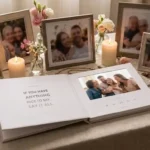
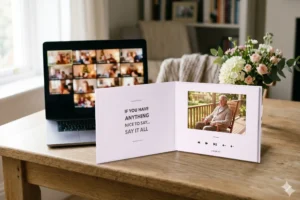
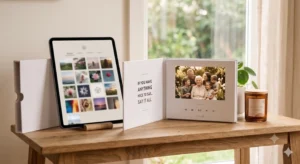
Tribute (tribute.co) is a group video gift platform that lets you collect personal video messages from friends, family, and community into a polished memorial montage. It works by sharing a link, and contributors record from any device, no app needed, and Tribute compiles everything automatically.
Unlike a sympathy card signed by many people, a group video gives each contributor a chance to speak in their own voice, with their own face, saying exactly what they want to say. The difference between reading names on a card and hearing fifteen voices say someone’s name is profound. It is free to start, delivers instantly, and requires no app.
If the card feels too small for the size of the loss, this is one way to say it in a video instead. Here is a look at how Tribute works:
👉 Gather video messages from everyone who loved them
See also: In Loving Memory Quotes
What Are Practical Tips for Writing and Sending a Sympathy Card?
Send the card as soon as you hear the news. Waiting until you have the “perfect” message means the card may arrive after the family has returned to daily life, when support often drops off. An imperfect card sent promptly matters more than a polished one sent late.
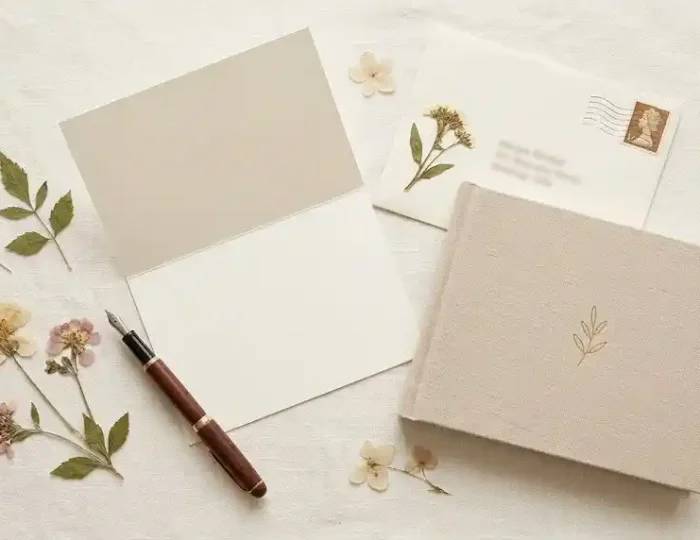
Handwriting always feels more personal than printed text. Even if you use a pre-printed sentiment inside the card, add at least one handwritten line of your own. That personal touch is what the recipient will remember.
The grief educators at What’s Your Grief note that bereaved people often reread sympathy cards weeks and months after a loss, when the initial wave of support has passed and the quiet sets in. A card sent today may be read again in six months, which is reason enough to write something true.
See also: How to Honor the Memory of a Loved One
Frequently Asked Questions About What to Write in a Sympathy Card
What is the most appropriate thing to write in a sympathy card?
The most appropriate sympathy card message acknowledges the loss, mentions something true about the person or your relationship, and offers presence or support. Three to five sentences is ideal. Avoid explaining the death or trying to find meaning in it.
Is it okay to mention the name of the person who died in a sympathy card?
Yes, and in fact it is encouraged. Bereaved people often find comfort in hearing the name of the person they lost. Saying “[Name] was someone I will always remember” is far more meaningful than a generic message.
Can I write humor in a sympathy card?
Only if the relationship is close and the humor would honor, rather than deflect from, the person who died. A small loving detail that captures their personality can be a gift. Avoid humor that minimizes the loss or makes the message about your own discomfort with grief.
What do you write in a sympathy card when you did not know the person who died?
Focus on the grieving person rather than the deceased. “I know how much you loved them, and I am so sorry for your loss” is genuine and appropriate. Offer your presence and support without feeling obligated to speak to someone you did not know personally.
How do you address a sympathy card to an entire family?
“To the [Family Name] Family” or “To [First Name] and family” both work well. If you know all the names, listing them is a kind gesture. The envelope can be addressed to the primary contact or head of household.
Should you include an offer of help in a sympathy card?
Yes, but make it specific. “Please let me know if you need anything” is kind but easy to dismiss. “I am bringing dinner on Tuesday, and I will reach out to confirm” is something a grieving person can actually receive. Specific offers are far more useful than open-ended ones.
How soon should you send a sympathy card?
Send it as soon as you hear about the death, even before the funeral if possible. Cards that arrive in the weeks after the funeral are also deeply appreciated, because that is when the support from others often fades and the grief can feel most acute.
What Matters Most When You Write a Sympathy Card?
What matters most is that you wrote it. The research on bereavement is consistent: people who feel supported in grief recover more fully and more quickly. Your card is part of that support, even if it feels inadequate to you.
Pick the message that feels most honest. Add one line that is yours alone. Seal the envelope and send it today. That is enough, and it is a great deal more than nothing.