A death anniversary is a day that returns every year, often catching people off guard even when they thought they were prepared. The most meaningful death anniversary ideas are the ones that feel true to who the person was, whether that means a quiet candle, a shared meal, or gathering family voices into a video tribute that grows with each passing year. Small, intentional acts of remembrance help grief move rather than stay still.
Why Does a Death Anniversary Feel So Hard, Even Years Later?
Grief does not follow a calendar, but anniversaries have a way of pulling loss back to the surface even after long stretches of relative peace. The one-year memorial is often the hardest, carrying both the weight of the first year without someone and the strange pressure of “a year already.”
Research published through the Hospice Foundation of America notes that anniversary grief is a recognized pattern in bereavement, where the approach of a significant date triggers a return of intense feelings. Naming what is happening can help. This is not a setback. It is a part of how love persists.
Having something planned for the day, however small, often makes it easier to carry than a day with nothing to do and nowhere to put the feeling.
What Are the Most Meaningful Death Anniversary Ideas?
Light a Candle at the Same Time Each Year
Choose a time that held meaning, their birthday, the hour they usually called, the time the service was held, and light a candle at that moment every year. If family members are spread across different cities, ask everyone to light one at the same time.
Best for: Families who want a simple, repeatable ritual that does not require planning or coordination.
Why it works: The act of lighting a candle is brief, but the intention behind it is not. Ritual gives grief a shape, and shapes make things easier to hold.
Cook or Order Their Favorite Meal
Prepare the dish they made for every holiday, or order from the restaurant they always requested on their birthday. Eat it together, or alone if that is what feels right, and let the memory of them at the table be present.
Best for: Families with strong food memories or someone whose cooking was part of their identity.
Why it works: Smell and taste carry memory in a direct way that language does not. Eating their food is one of the most physical ways to feel close to someone who is gone.
Visit a Place That Mattered to Them
Return to a spot they loved, a park, a beach, a neighborhood coffee shop, a bench where they used to sit. You do not need to do anything when you get there. Showing up is enough.
Best for: People who process grief through movement or who find indoor rituals feel too contained.
Why it works: Place holds memory. Returning to a location associated with someone activates a kind of presence that photographs alone cannot create.
Plant Something in Their Name
Plant a tree, a rosebush, or a perennial that will bloom every year around the same time. Mark the spot with their name or a stone. Watch it grow year after year as a living part of their legacy.
Best for: Families with outdoor space, or communities who want a shared living memorial.
Why it works: A plant that returns every year mirrors the rhythm of remembrance itself. It gives grief something to tend, which is one way love stays active.
Donate to a Cause They Cared About
Give in their name to an organization that reflected their values. Tell others what you did and why. Some families make this an annual tradition, watching a small fund grow over years into something substantial.
Best for: Honoring someone who was passionate about a cause, a community, or a particular kind of work in the world.
Why it works: Action redirects grief energy outward. Giving in someone’s name extends their influence beyond their lifetime in a way that feels true to who they were.
Write Them a Letter
Sit down and write to them as if they could read it. Tell them what happened this year. What you missed them for. What you wish you had said. Some people write this letter every year and keep them all together.
Best for: People who process grief through writing, or anyone who feels they still have things left unsaid.
Why it works: Writing organizes feeling into language. The act of putting words on paper makes internal grief external, which is one way it moves through rather than staying stuck.
Gather Family Stories into a Video Tribute
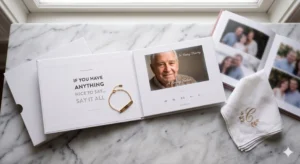
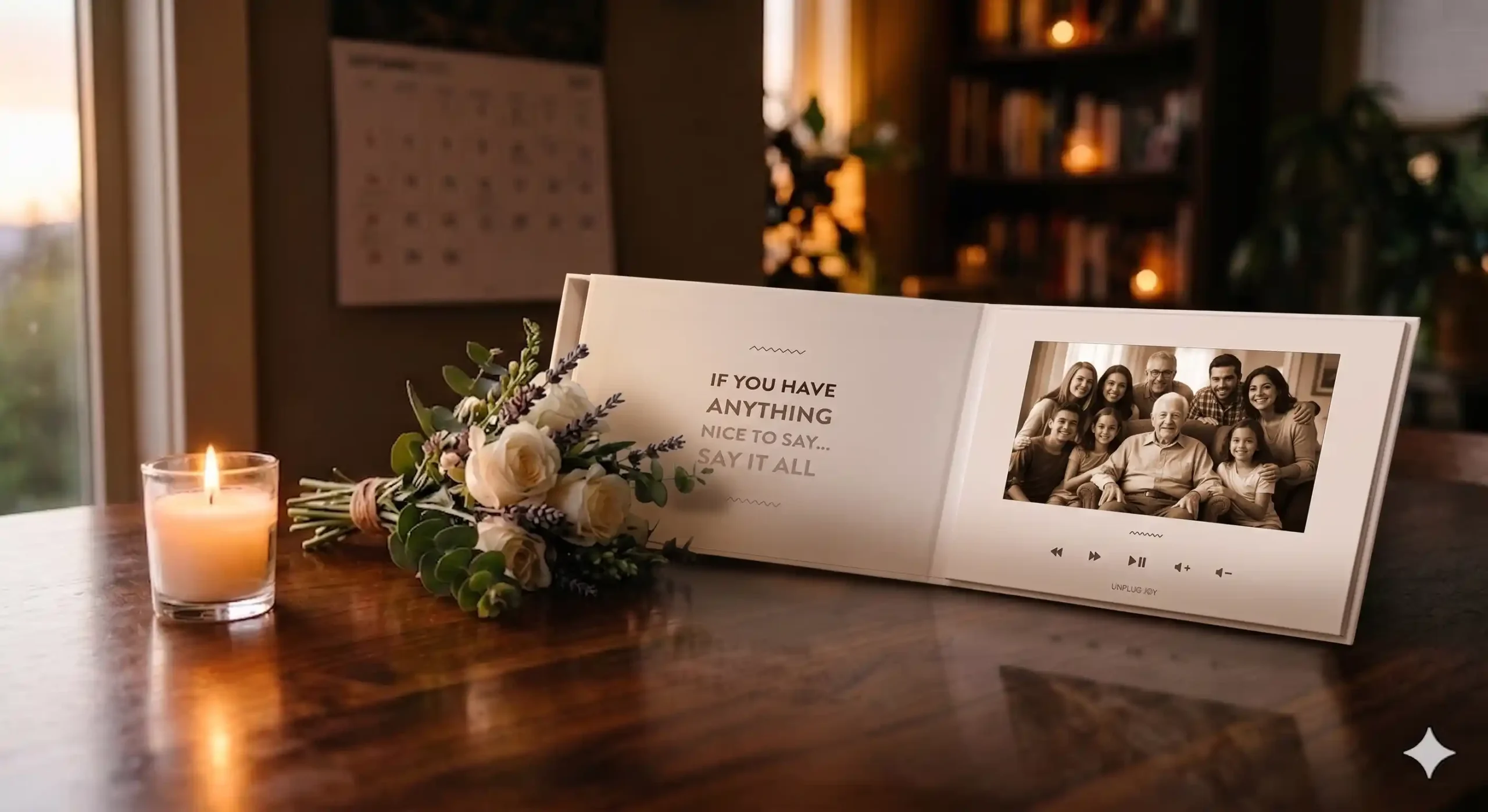
One of the most lasting things you can do on a remembrance anniversary is collect video messages from the people who loved them. Ask family members and close friends to record a short clip: one memory, one thing they miss, one way the person changed their life.
Tribute (tribute.co) is a group video gift platform that lets you collect personal video messages from friends, family, and community into a polished memorial montage. It works by sharing a link: contributors record from any device, no app needed, and Tribute compiles everything automatically. It is free to start, and the video can be watched together on the anniversary and saved for every year that follows.
Unlike a photo album, it captures voices and faces and the specific way someone says a name. Unlike a group chat, it brings everything into one place where the whole family can watch together. Families who have made a Tribute video report that rewatching it each year on the death anniversary becomes its own ritual, one that grows richer as more people add to it over time.
👉 Start a memorial video tribute to revisit every year
See also: Memorial Video Ideas for Honoring a Loved One
What Is an Angelversary and Should You Observe It?
The term “angelversary” is used by many families to mark the anniversary of a loved one’s passing, particularly in communities that find comfort in spiritual language. It reframes the day from one of loss to one of transition, acknowledging both the grief and the love that remains.
Whether the word resonates depends on your family, your beliefs, and your relationship with language around death. What matters is not the name but the intention: setting aside time, once a year, to remember someone with care and specificity.
Some families observe an angelversary publicly, sharing memories on social media or gathering for a meal. Others keep it quiet and private. Both are valid. The ritual belongs to the people who loved the person, and they get to decide what shape it takes.
How Do You Handle the One-Year Memorial When the Grief Still Feels Raw?
The one-year memorial often arrives before anyone feels ready. The first year is a year of firsts: the first birthday without them, the first holiday, the first ordinary Tuesday that feels impossible. The anniversary marks the end of that year, and for many people it does not feel like relief. It feels like the beginning of a new kind of grief.
Give yourself permission to scale back. A candle and ten minutes of quiet are a complete memorial. You do not owe anyone a performance of grief, and you do not owe yourself a perfectly curated remembrance either.
According to What’s Your Grief, grief milestones like the one-year mark often surface underlying feelings about how the loss has been processed. If the day feels harder than expected, that is information, not a sign that something has gone wrong.
See also: Ways to Keep a Loved One’s Memory Alive
How Can You Involve Children in a Death Anniversary Remembrance?
Children benefit from age-appropriate rituals that make grief tangible and safe. Draw a picture for the person, blow out a candle and make a wish, release a flower into a river, or look through a photo album together and let the child ask questions.
The goal is not to protect children from grief but to show them that grief and love are the same thing, and that remembering someone is something families do together on purpose. These early rituals shape how children carry loss into adulthood.
The National Funeral Directors Association has long advocated for including children in grief rituals as a healthy part of their development. Letting a child light a candle or place a flower gives them an action to hold alongside the feeling.
How Do You Create a Lasting Annual Remembrance Tradition?
The most durable death anniversary traditions are simple enough to repeat without preparation. A candle you light every year. A dish you cook every fall. A video tribute you add to and rewatch together. These acts do not diminish over time. They accumulate.
Some families create a shared folder where they add one photo, one story, or one video clip each year on the anniversary. After five years, it becomes something extraordinary: a living record of how the person continues to shape the lives of everyone who knew them.
Tribute lets families add new video messages over time, so a tribute started on the first anniversary can grow richer and fuller each year as more people add their voices.
👉 Create a memorial video tribute your family can add to each year
See also: How to Preserve a Loved One’s Legacy
See also: How to Honor the Memory of a Loved One
Frequently Asked Questions About Death Anniversary Ideas
What is a death anniversary called?
A death anniversary is sometimes called a remembrance anniversary, a memorial anniversary, or an angelversary. The term “angelversary” is common in families who find comfort in spiritual framing. Regardless of the name, it marks the annual date of a loved one’s passing.
What do you do on the one-year memorial of a death?
Common one-year memorial observances include lighting a candle, visiting a meaningful place, cooking the person’s favorite meal, donating to a cause they cared about, or gathering family to share memories. Some families watch a tribute video together. The most important thing is that the day is acknowledged in whatever way feels true to your grief.
What are good angelversary ideas?
Good angelversary ideas include planting a perennial that blooms each year, writing a letter to the person, gathering family video messages into a tribute, releasing flowers into water, or making a donation in their name. The best ideas are specific to who the person was and what they loved.
How do I remember someone on their death anniversary without feeling overwhelmed?
Keep the ritual small and bounded: a candle, a few minutes of quiet, one specific memory spoken aloud. Having a structure for the day prevents it from feeling formless. You do not need to mark it publicly or spend the whole day in grief to honor someone well.
Is it normal for a death anniversary to feel harder than expected?
Yes. Anniversary grief is a recognized bereavement pattern, and the approach of a significant date often triggers intense feelings even when the rest of the year has felt more manageable. This is a normal part of how grief works, not a sign that something has gone wrong.
How do I involve family who live far away in a death anniversary?
Ask everyone to light a candle at the same time and share a photo of it. Collect video messages into a group tribute video so distant family members’ voices are still present. Schedule a short video call in the evening to share one memory each.
Can I add to a memorial video tribute each year?
Yes. Tribute allows families to collect new video messages over time, so a tribute started on the first anniversary can grow with each passing year. Rewatching it together on the anniversary becomes its own ritual, one that deepens as more voices are added.
What do you say to someone on the anniversary of a loved one’s death?
Say the person’s name. Acknowledge the day directly: “I know today is hard” or “I’m thinking of you and [name] today.” Share one specific memory if you have one. Specificity is more comforting than a general statement, and naming the day shows the person they are not carrying it alone.
Remembering Well, Year After Year
There is no single right way to mark a death anniversary. The ideas that matter most are the ones that feel specific to who your loved one was and what they meant to you.
The traditions that last are not elaborate. They are repeated. A candle lit at the same time each year. A meal prepared with intention. A video tribute that grows a little fuller each time someone adds their voice. These acts say, in their own quiet way, that the person still belongs in the life of everyone who loved them.
Grief does not end. But it changes shape over time, and the way you mark a remembrance anniversary is one of the ways you help it do that.