A meaningful memorial service does not need to be elaborate. It needs to feel true to the person being remembered and give everyone in the room a way to grieve, share, and connect. The ideas below range from quiet and intimate to community-wide, so you can choose what fits your family and the life being honored.
According to the National Funeral Directors Association, personalization is now the most requested element in memorial planning. Families want services that feel specific rather than generic, and that instinct is right. A service shaped around who this person actually was will stay with attendees long after the day ends.
—
What Makes a Memorial Service Truly Meaningful?
The most memorable services share three qualities: they tell a real story, they invite participation from those who loved the person, and they leave space for both grief and gratitude. Every idea on this list is designed with at least one of those goals in mind.
The Hospice Foundation of America notes that communal rituals help mourners process loss in ways private grief cannot. Gathering together, sharing stories, and doing something together creates a shared memory that supports healing over time.
—
How Do You Personalize a Memorial Service Program?
The program is the first thing guests hold, so it sets the tone. Include a short personal biography, a favorite quote or line from a poem they loved, and a photo that captures their personality rather than just their appearance. List who is speaking and what music will be played so guests feel oriented rather than passive.
For deeper guidance, see our full guide to Memorial Service Program Ideas.
—
What Are the Best Memorial Service Activities for All Ages?
The most effective memorial service activities give everyone something to do, including children, elderly guests, and people who may not know many others in the room. Participation reduces awkwardness and creates shared memory. Below are 12 to 15 ideas organized by category, each with a note on who it works best for.
—
Readings and Words
Words spoken aloud carry weight that a printed program cannot. When someone stands up and reads something that mattered to the person who died, the whole room feels it.
1. Open-Microphone Remembrance
Best for: Larger gatherings where the deceased had wide social circles, or communities where people need permission to speak.
Why it works: An open microphone invites stories that the immediate family may never have heard. Even brief, simple memories (“She always had coffee ready”) add texture and depth. Assign a gentle moderator to guide timing and keep the tone warm.
2. Letter Reading
Best for: Intimate family services or situations where public speaking feels too hard for those closest to the person.
Why it works: A letter written to the deceased, read aloud, often touches on private love and specific memories in a way a formal eulogy does not. It can be read by the writer or by a friend on their behalf.
3. Favorite Passage or Poem
Best for: Any service, especially for someone who loved reading, music lyrics, or a particular philosophy.
Why it works: Hearing the words they returned to again and again makes the person present in the room in an unexpected way. Ask family members ahead of time what the person read most.
—
Music and Sound
Music bypasses the thinking mind and reaches directly into feeling. A single song can transport a room to a specific moment in time with that person.
4. Live Music Performance
Best for: Someone who loved music, performed themselves, or had songs tied to important life moments.
Why it works: A live performance changes the energy of a room. It does not need to be professional. A grandchild playing guitar or a family friend singing creates intimacy no recording can match.
5. Playlist Tribute
Best for: Services where live music is not possible, or as background during a reception.
Why it works: Ask family and friends to submit one song that reminds them of the person. Compile it before the service and play it during arrival, mingling, or departure. Each song becomes a small memorial in itself.
—
Visual Displays
Visual elements give guests something to look at, return to, and gather around. They spark conversation and help quieter guests feel connected without needing to speak.
6. Memory Table
Best for: Any service. A memory table works in a living room or a 300-person venue.
Why it works: Objects, photos, and mementos arranged on a table invite guests to pick things up, ask questions, and share memories spontaneously. For ideas on what to include, see our guide to Memory Table Ideas.
7. Photo Timeline Display
Best for: Services honoring someone with a long life and many phases, such as a grandparent or community elder.
Why it works: A timeline arranged chronologically shows the arc of a whole life. Guests from different periods of the person’s life will cluster around the photos from when they knew them, which naturally starts conversations.
—
Participation and Community
The most powerful memorial service ideas transform attendees from audience members into participants. When people do something together, they become part of the story.
8. Memory Card Station
Best for: Services with guests who may not know each other well, or where the family wants to collect written memories as a keepsake.
Why it works: Set out cards and pens and invite guests to write one memory, one word, or one reason they are grateful for the person. These can be read aloud during the service or compiled afterward into a memory book. What’s Your Grief suggests that active remembering, not just passive attendance, helps mourners process loss more thoroughly.
9. Candle Lighting Ceremony
Best for: Evening services, or any service where a moment of shared silence feels right.
Why it works: The physical act of lighting a candle and holding it gives people something to do during a moment of quiet tribute. Passing a flame from person to person reinforces the idea of a life that touched each one of them.
10. Tree or Garden Planting
Best for: Outdoor services, celebrations of life held at a family home, or for someone who loved gardens and nature.
Why it works: Unlike most memorial service activities, planting something living creates a memorial that grows and changes with time. Each guest can add a handful of soil. The tree becomes a place to visit in years to come.
—
Food and Gathering Traditions
Food is one of the oldest forms of communal care. Including a food tradition that meant something to the person being remembered adds warmth and familiarity to a hard day.
11. Recipe Memory Share
Best for: Someone known for their cooking, hospitality, or specific dishes tied to family gatherings.
Why it works: Ask guests to bring a dish that connects them to the person, or prepare their signature recipe. Print recipe cards to give as a small, meaningful keepsake. Sharing food together continues a tradition they started.
—
Ways to Honor and Give Back
12. Charitable Donation Station
Best for: Someone with a cause they cared about, or families who want to channel grief into action.
Why it works: Set out information about a charity the person supported and invite guests to make a donation in their honor. Many families find this more meaningful than flowers because it continues something the person believed in.
—
A Video Tribute Moment
13. Group Video Tribute as the Service Centerpiece or Closing Moment
Best for: Any service where loved ones could not all be in the room, or where the family wants to gather memories from a wide circle before the event.
Why it works: A video tribute made of individual clips from friends, family, and community members does something no slideshow can. It puts real voices and real faces on the screen. Guests hear the actual sound of the people who loved them, telling stories in their own words. That is categorically different from a photo montage.
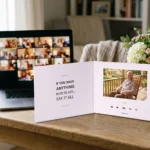
Tribute (tribute.co) is a group video gift platform that lets you collect personal video messages from friends, family, and community into a polished memorial montage. It works by sharing a link. Contributors record from any device, no app needed, and Tribute compiles everything automatically.
A typical tribute gathers 15 to 50 or more clips. Over 8 million video messages have been sent through the platform, and 82% of recipients cry tears of joy. Free to start, no watermark, and Tribute sends automatic reminders so you are not managing follow-ups during an already hard week.
👉 Start a memorial tribute video for the service
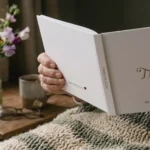
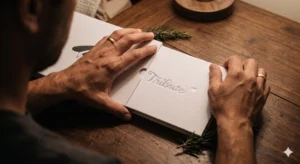
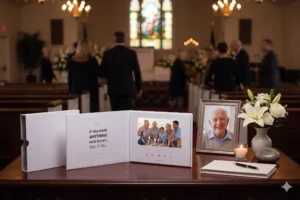
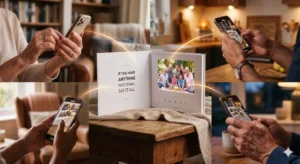
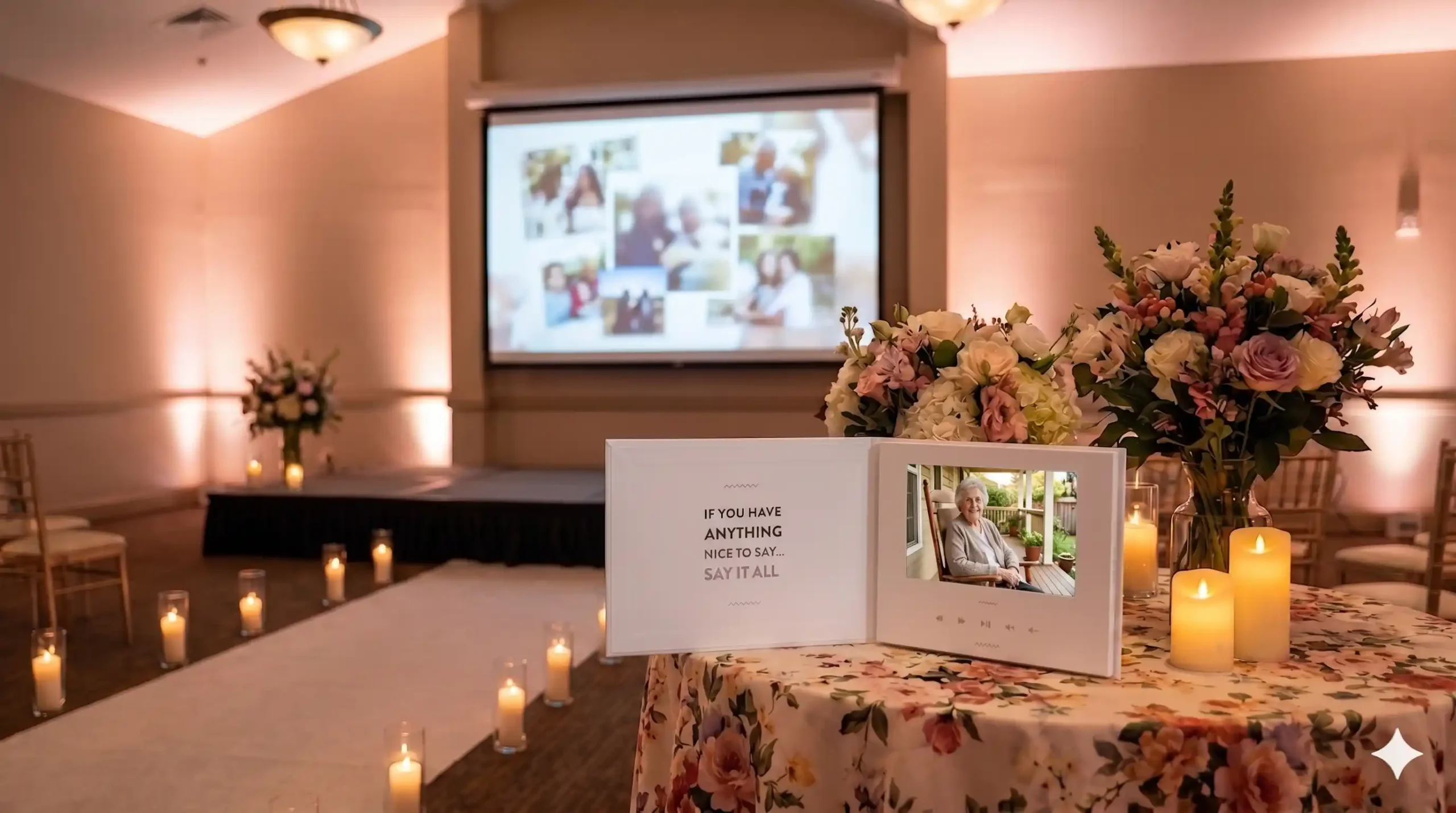
For the family who wants something that lasts beyond the service day, the Tribute Video Book is a linen-bound hardback with a 7-inch screen and built-in speakers. It plays automatically when opened and sits on the mantel as a permanent keepsake.
—
14. Memorial Slideshow with Guest-Submitted Photos
Best for: Families who want a visual display but do not have the time or capacity to organize a full video tribute before the service.
Why it works: Ask guests to text or email their favorite photos in the days before the service. Compile them into a slideshow. Seeing photos that the immediate family did not have, from workplace friendships or old neighborhoods, reveals dimensions of the person that deepen everyone’s understanding of who they were.
—
15. Memory Walk or Procession
Best for: Celebrations of life held outdoors or at a location meaningful to the person, such as a park, beach, or family property.
Why it works: Walking together is a physical form of mourning shared across almost every culture. A procession to a meaningful spot, a bench, a garden, or a view they loved, gives grief somewhere to go. Each step is a way to personalize a memorial without saying a word.
—
How Do You Make a Memorial Service Feel Personal Rather Than Generic?
The key is specificity. Generic services use generic language: they were kind, they were loved, they will be missed. Personal services use names, dates, places, and stories. The smell of her kitchen on Sunday mornings. The way he laughed at his own jokes before the punchline arrived.
Ask family members three questions before you plan anything: What did this person love most? What did they do that no one else did? What would they want people to leave here knowing? The answers will tell you which memorial ceremony ideas fit and which do not.
For a full planning framework, see our guide to How to Plan a Celebration of Life.
—
What Are Good Memorial Service Ideas for Children Who Are Grieving?
Children grieve differently than adults, and they need concrete, age-appropriate ways to participate. Candle lighting, drawing a picture of a memory, planting a seed, or decorating a memory stone gives children a role without putting them on stage. Keep their involvement optional and let them take the lead on what feels right.
Avoid shielding children from the service entirely. Research consistently shows that inclusion in mourning rituals helps children understand death in ways that reduce anxiety and fear over time.
—
What Should You Include on a Memory Table at a Memorial Service?
A memory table works best when it includes objects from different phases of the person’s life. Consider: a childhood photo, a work or hobby item, a piece of jewelry or clothing, a book they loved, a handwritten note, and a framed photo. Leave a small card near each object explaining its significance. Guests will stop, read, and connect.
—
How Long Should a Memorial Service Be?
Most memorial services run between 30 minutes and 90 minutes, depending on the number of speakers and activities. A service that runs over two hours risks exhausting grieving guests who are also managing travel, childcare, and their own emotional reserves. If the family wants more time together, move the longer gathering to a reception or meal following the formal service.
—
What Memorial Service Ideas Work for Virtual or Hybrid Gatherings?
Many families today have loved ones scattered across the country or around the world. Hybrid memorial services, where some guests attend in person and others join by video, require planning for both groups. Stream the service live and appoint an in-room moderator to read virtual comments or questions aloud. A group video tribute works particularly well here because it collects clips from people who cannot attend before the event, giving them a presence on screen even if they cannot be in the room.
Unlike a livestream that requires everyone to be available at the same time, a pre-recorded video tribute can include people in any time zone who record whenever they are ready.
For more ways to honor a life when distance separates those who loved them, see How to Honor the Memory of a Loved One.
—
How Do You Balance Grief and Celebration at a Memorial Service?
A memorial service does not need to choose between grief and celebration. Both are honest, and both deserve space. Plan for at least one moment of quiet sorrow and at least one moment of laughter or joy. A funny story told well, a favorite song played loud, or a memory that makes everyone smile does not diminish the sadness. It honors the fullness of who the person was.
The goal is not to feel better by the end. The goal is to feel seen, together, and a little less alone.
👉 Gather everyone’s memories into one video tribute
—
Frequently Asked Questions About Memorial Service Ideas
What are some unique memorial service ideas?
Unique memorial service ideas include an open microphone for guest stories, a group video tribute played during the service, a tree or garden planting, a recipe memory share with the person’s signature dish, a playlist tribute built from songs submitted by guests, and a memory card station where guests write memories to be compiled afterward.
How do you personalize a memorial service?
Personalize a memorial service by grounding every element in specific details about the person: their favorite music, foods they cooked, objects they treasured, and places they loved. Replace generic language with stories, names, and moments. A memory table, personal readings, and a video tribute made from real voices are all ways to personalize a memorial ceremony.
What are good memorial service activities for children?
Good memorial service activities for children include candle lighting, decorating a memory stone, drawing a picture of a favorite memory, planting a seed, or releasing a balloon. Keep participation optional and age-appropriate. Including children in mourning rituals helps them process grief in healthy, concrete ways.
How long should a memorial service be?
Most memorial services run between 30 minutes and 90 minutes. Services longer than two hours risk exhausting grieving guests. If the family wants extended time together, move the longer gathering to a reception or meal after the formal service.
What is a tribute video and how do you use it at a memorial service?
A tribute video collects personal video messages from friends, family, and community members and compiles them into a single video montage. You can play it at the service as a centerpiece or closing moment. Platforms like Tribute (tribute.co) handle collection and compilation automatically. Contributors record from any device, no app needed, and the result is a collection of real voices telling real stories.
How do you plan a memorial service for someone who was not religious?
A non-religious memorial service can center on music, storytelling, shared food, and rituals meaningful to the person’s actual life. Nature ceremonies, open-microphone readings, group video tributes, and planting memorials work for any belief system. Focus on who the person was and what they loved rather than traditional religious structure.
What is the difference between a memorial service and a celebration of life?
A memorial service typically follows more traditional conventions and may include religious elements. A celebration of life tends to be less formal, more personalized, and focused on honoring the joy and personality of the person. Both can include the same elements: music, readings, video tributes, and shared food.
How can people who cannot attend a memorial service still participate?
Remote guests can participate by submitting a video message to a group tribute before the service, joining a livestream of the event, writing a memory card that is read aloud, or sending a song for the playlist. A group video tribute is the most meaningful option because it puts their voice and face on the screen even when they cannot be in the room.