A celebration of life theme is built around who the person was, not around conventional funeral colors or customs. The best themes start with a single question: what did this person love? From there, the decorations, music, food, and atmosphere all follow. This guide gives you 12 theme ideas with practical setup notes so you can plan something personal, meaningful, and genuinely celebratory.
What Makes a Celebration of Life Different from a Traditional Funeral?
A traditional funeral is structured around mourning. A celebration of life is structured around the person. The National Funeral Directors Association reports that celebrations of life now represent more than 55 percent of memorial services in the United States, up significantly from just a decade ago. Families choose them because they want the gathering to feel like the person it honors.
Compared to a traditional graveside service, a celebration of life is more flexible in location, timing, tone, and theme. A celebration can take place at a park, a garden, a restaurant, a backyard, or a community hall. The celebration of life setup can be as simple or as elaborate as the family wants. The through-line is always the same: every detail should say something true about the person.
How Do You Choose a Celebration of Life Theme?
Start with what the person loved most. Ask the people who knew them: what was the first thing you thought of when you heard their name? The answer to that question often contains the theme.
If nothing immediate comes to mind, work through these prompts:
- Where did they feel most at home? (Outside, in a kitchen, at a ballpark, in a garden?)
- What did they do with their free time?
- What music did they play constantly?
- What colors were all over their home?
- What did they cook, collect, or build?
- Where was their happiest place?
The answers give you a theme. The sections below give you the decoration ideas and setup guidance to bring that theme to life.
What Are the Best Celebration of Life Themes and Decoration Ideas?
1. Garden and Nature
Best for: Someone who loved the outdoors, gardening, hiking, or spending time in natural spaces.
Why it works: Gardens carry a built-in sense of growth, beauty, and the passage of seasons that resonates at memorial gatherings without feeling somber. The natural palette keeps things warm and alive.
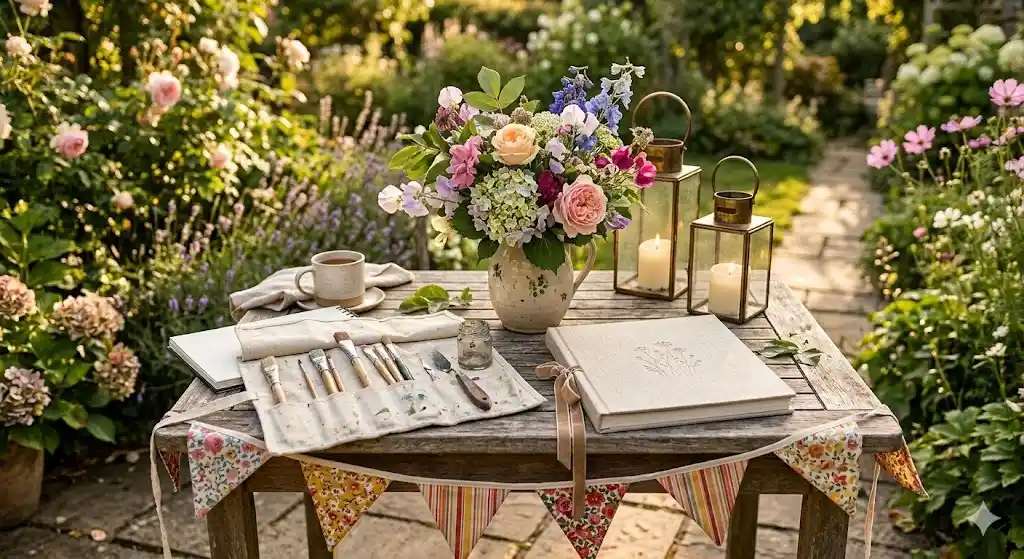
Set up long wooden tables with fresh wildflowers in simple glass jars or vintage ceramic pots. Use potted herbs or small plants as centerpieces that guests can take home. Scatter seed packets tied with ribbon as favors. Keep the color palette in greens, whites, and soft yellows. Pair with soft acoustic or folk music.
2. Music and Concert
Best for: A musician, a concert-goer, someone whose home always had music playing, or anyone whose identity was built around a particular band, genre, or era.
Why it works: Music is one of the fastest ways to put a room inside a memory. A carefully curated playlist or live performance does more emotional work than almost any other element of a celebration.
Print a “set list” of their favorite songs as a program insert. Display their records, instruments, or concert memorabilia. Use vintage music posters (reprints are fine) as backdrop decor. Ask guests to share a song that makes them think of the person. Memorial theme ideas built around music almost always generate the most shared stories.
3. Travel and Adventure
Best for: A person who traveled frequently, lived in multiple places, or whose greatest joy was exploring somewhere new.
Why it works: Maps, postcards, and passport stamps are deeply personal objects. A travel-themed celebration invites guests to share memories tied to specific places, which generates rich, specific storytelling.
String a map on the wall and give guests pins to mark places they visited together with the person. Display postcards, travel photos, or a framed itinerary from a beloved trip. Use small potted succulents in terracotta pots stamped with city names as favors. Serve food inspired by places the person loved.
4. Sports Legacy
Best for: A devoted fan, a coach, an athlete, or someone whose entire social life was built around a team or sport.
Why it works: Team colors and symbols create an immediate sense of shared identity. Guests who also loved the team feel an instant bond, and the celebration becomes a reunion as well as a tribute.
Use team colors throughout. Display jerseys, programs, photos from games attended. Set up a small video loop of memorable game moments or team highlights if available. Ask guests to share a game-day memory with the person. Serve ballpark-style food if the tone is casual and warm.
5. Cooking and Food
Best for: Someone who fed everyone, a home cook, a baker, a gardener who grew their own food, or anyone whose love was expressed through meals.
Why it works: Food is the most sensory way to honor a person. Tasting something they made is a form of memory that no photo can replicate.
Serve their signature recipes and label each dish with a handwritten card explaining what it meant: “Mom’s Sunday sauce, made every week for 40 years.” Print a small recipe booklet for guests to take home. Display their apron, their handwritten recipe cards, their well-used cookbooks. Ask guests to bring a dish inspired by a meal they shared with the person.
6. Art and Creativity
Best for: A painter, sculptor, writer, photographer, quilter, woodworker, or any person who made things with their hands.
Why it works: Displaying a person’s work is the most direct form of tribute. It says: look at what they made. Look at what they left behind. Celebration of life decorations built around someone’s own creations carry a power that purchased decor cannot match.
Gallery-hang their work around the room. Ask family members to contribute pieces they received as gifts. Display works in progress alongside finished pieces to show process as well as product. Add small labels with dates or short stories about each piece.
7. Vintage and Nostalgic
Best for: Someone who lived through a particular era and loved it, who collected vintage objects, or whose home felt like a time capsule.
Why it works: Nostalgia-themed gatherings prompt shared memory in powerful ways. Guests who knew the person during their most vivid years often feel most present in a space that looks and sounds like that time.
Lean into the decade that shaped them most: photos, music, decor, and fashion references from that era. Display vintage objects they collected. Play music from that period as background. Print the program on aged-looking paper with period typography.
8. Seasonal or Holiday
Best for: Someone who had a beloved season, a person who lived for a particular holiday, or a family where a certain time of year was the gathering point.
Why it works: Seasonal themes connect the tribute to a recurring moment in the year, which means every future instance of that season will carry a small piece of the memorial with it.
Mirror the decor of the season or holiday they loved. Serve its traditional foods. Play its traditional music, or their personal version of it. If they always hosted the family Christmas or Thanksgiving, recreate the table as they set it.
9. Nature Walk and Wildflower
Best for: A hiker, a naturalist, a birdwatcher, or anyone who spent their happiest hours on a trail or in wild spaces.
Why it works: Wildflowers and natural textures feel honest, unforced, and alive. A celebration of life setup with unstructured natural arrangements feels less like a formal event and more like time spent in the world the person loved.
Use wild or loosely arranged flowers rather than formal bouquets. Include natural wood, stone, moss, and bark as table elements. Create a small trail-like path to the entrance with river stones. Display trail maps or nature field guides.
10. Professional Legacy
Best for: Someone whose career was central to their identity: a teacher, a firefighter, a nurse, a farmer, a builder, a scientist.
Why it works: Professional pride is a real and valid thing to honor. Colleagues often attend these services and feel most welcomed when the space acknowledges the world they shared with the person.
Display symbols of their work. Invite former colleagues to contribute a story. Create a “legacy board” where colleagues can write the thing they learned from the person. For teachers: display a class photo from each decade. For farmers: natural elements from the land. For builders: a photo of their most significant project.
11. Color Theme
Best for: Someone with a known favorite color, or a family that wants something visually unified but not tied to a specific interest.
Why it works: A single color palette creates visual cohesion that makes a space feel intentional and personal without requiring extensive planning. It works as either the sole theme or as the unifying element within another theme.
Run the color through florals, table linens, candles, ribbons, and printed materials. Have guests wear something in that color if they wish. Simple, consistent, and unmistakably personal.
12. Photo and Memory Montage
Best for: Any celebration of life, used as a standalone theme or woven into any of the themes above.
Why it works: Photos tell the whole arc of a life. A room covered in photographs from childhood to last year invites guests to move through time with the person. Pairing those photographs with video messages from friends and family creates the most complete tribute possible.
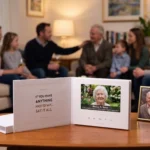
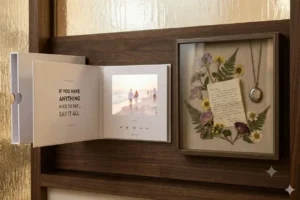
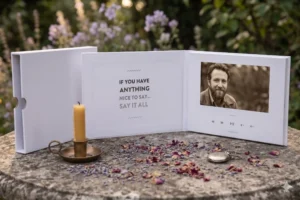
Print and display photos at varied sizes. Create a timeline strand strung across the room. Ask guests to bring a photo to add to the display. And consider gathering video messages from everyone who cannot attend in person. Tribute (tribute.co) is a group video gift platform that lets you collect personal video messages from friends, family, and community into a polished memorial montage. It works by sharing a link, contributors record from any device, no app needed, and Tribute compiles everything automatically. It is free to start, with no watermark and no app required.
👉 Gather video messages from loved ones to play at the celebration
For help planning the full event, see our guides on celebration of life ideas and how to plan a celebration of life. For physical display ideas at the event, see our guide on memory table ideas, and for longer-term ways to carry the person’s memory forward, see how to honor the memory of a loved one.
Frequently Asked Questions
- What is a celebration of life theme?
- A celebration of life theme is a visual and emotional through-line for the memorial gathering built around who the person was. It is drawn from their passions, interests, favorite places, or characteristic style, and expressed through decor, music, food, and program elements.
- What colors are appropriate for a celebration of life?
- Any colors. There is no required palette for a celebration of life. Many families use the person’s favorite color, the colors of a beloved season, or a nature-inspired palette. Bright, warm colors are common and welcome.
- How far in advance should you plan a celebration of life?
- Most families plan within one to three weeks of the death if they want a gathering while people are still nearby. Some families hold a celebration of life weeks or months later to allow more people to attend and more time to prepare a meaningful event.
- Can a celebration of life be held outdoors?
- Yes. An outdoor setting is ideal for nature, garden, or travel themes and works well for almost any theme in mild weather. Have an indoor backup plan and inform guests of the possibility.
- What is the difference between a celebration of life and a memorial service?
- A memorial service is a broader term for any gathering held to honor someone who has died. A celebration of life specifically emphasizes the person’s life, personality, and joy rather than mourning. All celebrations of life are memorial services, but not all memorial services are celebrations of life.
- How do you make a celebration of life feel personal?
- Build every detail around specific, true things about the person: their favorite food, color, music, or place. Display objects they touched, show photographs from across their life, and make room for guests to share memories. The more specific the details, the more personal the gathering.