
Remembrance Rituals After Loss: Meaningful Ways to Grieve (2026)
Remembrance rituals after loss give grief a shape and a rhythm. When words feel impossible, a small repeated action, lighting a candle, cooking a favorite recipe, or sitting in a meaningful place, can carry you through.
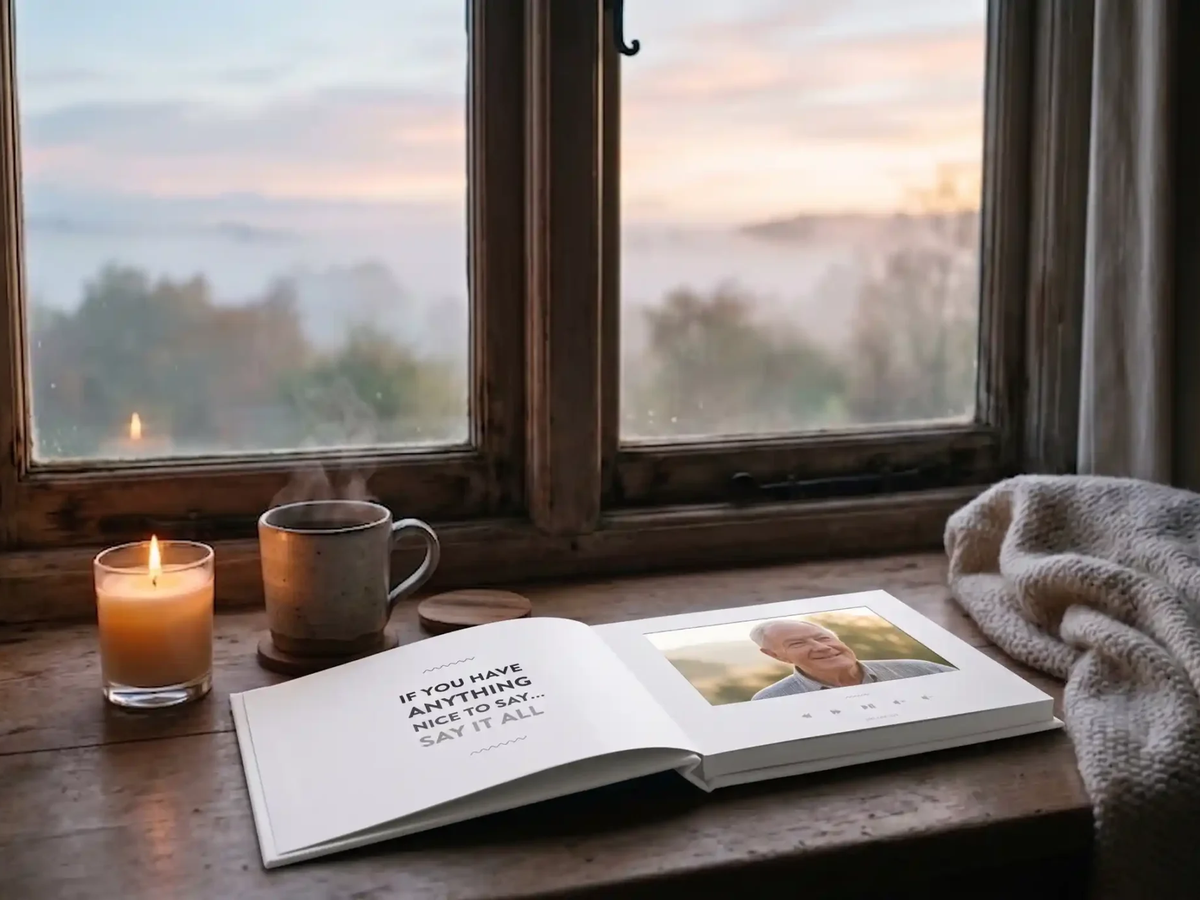
Remembrance rituals after loss give grief a shape and a rhythm. When words feel impossible, a small repeated action, lighting a candle, cooking a favorite recipe, or sitting in a meaningful place, can carry you through. These rituals do not erase loss; they hold it alongside you as you slowly find your footing again.
Why Do Remembrance Rituals Help with Grief?
Grief researchers and counselors at organizations like the Hospice Foundation of America have long noted that ritual gives structure to a time that often feels formless. A ritual does not need to be religious or formal. It simply needs to be intentional and repeated.
When you return to the same action at the same time, whether on the anniversary of a death or every morning with your coffee, you create a container for memory. The body begins to associate that moment with connection to the person you lost. Over time, many people find that the ritual shifts from feeling heavy to feeling like a form of companionship.
According to research cited by grief education site What’s Your Grief, continuing bonds with the deceased through meaningful practices is associated with healthier long-term grief outcomes. The goal is not to stop grieving but to find ways to carry the person with you.
What Are Some Simple Remembrance Rituals You Can Start Today?
You do not need to plan anything elaborate. The most meaningful rituals are often the most ordinary.
Lighting a Candle
Lighting a candle in someone’s memory is one of the oldest human rituals of grief. You can do it at a set time each day, on their birthday, or whenever you feel the need to mark their presence. Many families keep a candle near a photograph and light it during meals.
Best for: Anyone, including children, who needs a visible, tangible way to acknowledge grief without having to speak.
Why it works: The act of lighting and extinguishing a flame has a beginning and an end, which helps the nervous system move through an emotional moment rather than staying stuck in it.
Cooking Their Recipe
Food carries memory in a way few things can match. Pulling out a handwritten recipe card, gathering the same ingredients, and re-creating a dish they made connects you to them through all five senses. The smell alone can feel like presence.
Best for: Families and friend groups looking for a communal ritual, especially around holidays or the anniversary of a death.
Why it works: Preparing and sharing food is an act of care. When that food carries the taste of a person you loved, the act of making it becomes a form of honoring them.
Writing Letters to Them
Many grief counselors recommend writing unsent letters as a way to continue a conversation that has been cut short. You can write about ordinary things that happened that week, share news they would have enjoyed, or simply say what you wish you had said.
Best for: People who process emotions through writing, or anyone who feels they left something unsaid.
Why it works: The act of writing externalizes grief rather than letting it circle internally. It also creates a record of your relationship that you can return to.
See also: What to Say to Someone Who Is Grieving
Visiting a Meaningful Place
A park bench they loved, a beach they visited every summer, or even their favorite table at a local cafe can become a site of quiet pilgrimage. You do not need to do anything in particular when you arrive. Simply being there can be enough.
Best for: People who feel most at ease outdoors or who have difficulty sitting with emotions in a contained space.
Why it works: Place holds memory. Returning to a location you shared with someone activates sensory recollection in a way that is hard to replicate anywhere else.
Creating an Anniversary Gathering
Some families mark the death anniversary or the birthday of a loved one with a small annual gathering. This might be as simple as a shared meal, a walk together, or a few hours spent looking through photographs. The gathering does not need to be somber.
Best for: Families and close friend groups who want a structured way to remember together each year.
Why it works: Grief is often isolating. Returning to community on a set date reminds everyone that they are not carrying the loss alone.
See also: Death Anniversary Ideas
Planting Something in Their Name
A tree, a rosebush, a garden bed, or even a single pot of herbs can become a living memorial. Watching something grow over the years creates an ongoing relationship with both the plant and the memory of the person.
Best for: Anyone who finds comfort in nurturing something, or families with children who need a tangible, growing symbol of remembrance.
Why it works: Living memorials grow and change with time, mirroring the way grief itself changes. They also give you a reason to return to the act of remembrance regularly.
Gathering and Sharing Stories
One of the most powerful things a community can do after a loss is collect the stories and memories that only certain people hold. Your aunt remembers the joke your father told at every family dinner. Your colleague remembers the way she always arrived early and made coffee before anyone else. These details, scattered across people, make up a whole life.
Gathering those stories does not require a formal event. Some families send a message asking people to write down a single memory. Others ask people to record a short video message sharing what they remember most. When those contributions are brought together, they form something larger than any one person could have created alone.
Tribute is one way to do this. Tribute (tribute.co) is a group video gift platform that lets you collect personal video messages from friends, family, and community into a polished memorial montage. It works by sharing a link, contributors record from any device, no app needed, and Tribute compiles everything automatically.
See also: Ways to Keep a Loved One’s Memory Alive
How Do You Find Comfort After Loss When Grief Feels Overwhelming?
The National Funeral Directors Association notes that grief has no fixed timeline, and that many people find the second year harder than the first once the initial support from others has faded. Small rituals help fill that gap.
Unlike large memorial events, which happen once and then end, a daily or weekly ritual keeps the connection alive without requiring a major emotional investment each time. Unlike talking to a therapist, a ritual does not require an appointment. Unlike relying on others, it is something you can do entirely on your own terms.
Studies have found that between 10 and 15 percent of bereaved people experience complicated grief, a prolonged form that interferes significantly with daily functioning. If your grief feels this severe, speaking with a counselor is a wise step. For most people, however, gentle rituals provide meaningful relief.
When Is the Right Time to Start a Remembrance Ritual?
There is no correct moment. Some people begin a ritual in the days immediately following a death, as a way to organize the chaos of early grief. Others find that rituals come later, sometimes years after a loss, when they feel ready to mark the relationship rather than only the absence.
What matters more than timing is intention. A ritual carried out with genuine feeling, even if it is as small as touching a photograph before you leave the house each morning, carries more weight than any elaborate ceremony done by obligation.
If you are unsure where to start, grief educator What’s Your Grief suggests beginning with something the person you lost would have recognized as meaningful to them. A ritual rooted in their specific life feels more like communion and less like performance.
See also: How to Honor the Memory of a Loved One
How Can Grief Rituals Help Families Heal Together?
When a loss touches a whole family or community, shared rituals carry an added layer of value. They signal to everyone, including children, that this person’s memory is worth protecting, and that the grief each individual carries is held by the group as a whole.
Children in particular benefit from visible, repeated rituals. A candle lit at the dinner table, a seat left open at Thanksgiving, or a yearly visit to a grave gives children a framework for understanding that someone they loved is gone but not forgotten. Emily Post etiquette guidance, available at EmilyPost.com, notes that involving children in age-appropriate mourning practices helps them build emotional vocabulary they carry into adulthood.
Shared rituals also give family members permission to grieve at different paces. Not everyone will cry at the same moment. A structured ritual creates space for each person without requiring them to perform a particular emotion on demand.
Frequently Asked Questions About Remembrance Rituals After Loss
What is a remembrance ritual?
A remembrance ritual is any intentional, repeated action that honors the memory of someone who has died. It can be as simple as lighting a candle on a significant date or as involved as an annual gathering of family and friends. The key is that it is done with awareness and intention rather than by accident.
How do grief rituals help with healing through remembrance?
Grief rituals give structure to an experience that often feels formless and uncontrollable. By returning to the same action repeatedly, many people find their nervous system begins to associate the ritual with connection rather than only loss. Over time, the ritual becomes a bridge between the past and the present.
Can remembrance rituals be non-religious?
Absolutely. While many traditional mourning practices have religious roots, remembrance rituals can be entirely secular. Cooking a loved one’s recipe, visiting their favorite place, or gathering their stories are all deeply meaningful acts that require no specific faith background.
How do I start a coping with loss remembrance practice if I have never done it before?
Start with something small and specific to the person you lost. A single object, place, food, or action connected to them is a better starting point than a general ritual you read about somewhere. If it feels right the first time, continue it. If it does not, try something else. There is no single correct approach.
What are good anniversary rituals for grief?
Common anniversary rituals include sharing a meal with people who loved the same person, visiting a meaningful location, planting or tending something in their name, or spending time with photographs and videos that capture who they were. What matters most is that the ritual reflects something true about the person rather than just general mourning.
How do I involve children in remembrance rituals?
Keep it simple, sensory, and low-pressure. Lighting a candle together, baking their recipe, or looking through a photo album gives children a concrete way to participate without requiring them to articulate complex emotions. Reassure them that it is normal to feel both sad and happy during remembrance.
When should remembrance rituals stop?
They do not need to stop. Many people maintain rituals for a loved one across decades and find that they shift in tone from mourning to celebration over time. If a ritual starts to feel like an obligation rather than a comfort, it is fine to let it change or release it entirely. Grief is not a fixed shape.
What Small Step Can You Take Today to Honor Someone You Have Lost?
Remembrance rituals after loss do not require planning or expense. They require only the decision to mark a life as worth returning to. A candle, a recipe, a letter, a walk to a familiar place: any of these can become the small consistent act that helps grief find its rhythm.
Unlike holding grief privately, shared rituals create a record of love that outlasts any individual’s memory. Unlike waiting for a formal occasion, a personal ritual can begin today, in your kitchen or at your window, with nothing more than intention.
If gathering shared stories feels like the right next step, it may help to know that others in your circle hold pieces of this person’s life that you have never heard.


