A celebration of life is a memorial gathering that centers on honoring who someone was rather than mourning that they are gone. Unlike a traditional funeral, which follows a prescribed religious or formal structure, a celebration of life service is shaped by the personality, passions, and relationships of the person being remembered. It can take place anywhere, at any time, and in any form the family chooses.
What does celebration of life mean?
The phrase “celebration of life” signals a deliberate shift in focus. Instead of rituals organized around grief and loss, the gathering is organized around gratitude and memory. The event asks: who was this person, and how did they change the people around them?
That does not mean a celebration of life service ignores sadness. Grief is present, and it is welcome. The difference is that the event creates space for laughter, storytelling, music, and joy alongside the tears. Many families find this format more true to the person they lost, especially when that person had a vivid sense of humor, a deep love of the outdoors, or a community that stretched across many parts of their life.
The National Funeral Directors Association has noted a consistent rise in personalized memorial services over the past decade, reflecting a broader cultural shift toward honoring individuality in death as in life.
How does a celebration of life differ from a traditional funeral?
A traditional funeral typically follows a fixed timeline: a viewing or visitation, a formal service (often religious), and a committal at a cemetery. It happens within a few days of death, at a funeral home or house of worship, and adheres to the customs of a particular faith or cultural tradition.
A celebration of life carries far fewer constraints. Here is how they commonly differ:
- Timing: A funeral is usually held within three to five days. A celebration of life can happen weeks or months later, giving far-flung family members time to travel and the immediate family time to breathe.
- Location: Celebrations have been held in backyards, parks, breweries, art galleries, beaches, and mountain meadows.
- Tone: Formal dress codes and solemn silence are not required. Guests might be asked to wear the person’s favorite color or bring a memory written on a card.
- Religious content: A celebration of life is not inherently secular or religious. It can include prayer, spiritual readings, or none of these, depending on the family’s wishes.
- Participation: Open microphones, memory jars, photo walls, and group activities are common, because the event is designed to be shared.
See also: Celebration of Life vs. Funeral: Key Differences Explained
Who attends a celebration of life service?
Everyone who loved the person is welcome. That often means the guest list looks different from a traditional funeral list. Childhood friends who lost touch, work colleagues from three jobs ago, neighbors, hiking partners, and the regulars from a beloved coffee shop might all show up.
Because celebrations of life are often scheduled with more lead time, people who could not have made it to a rushed funeral service are able to attend. Some families also set up a livestream for those who cannot travel, so the gathering can truly include everyone.
There are no hard rules about who speaks, who sits where, or how long anyone stays. The informality is part of the point.
When is a celebration of life held?
Timing is entirely up to the family. Some hold the event within two weeks of the death, while the rawness of grief is still present and the community is already gathered. Others wait a month or two, choosing to give themselves time to plan something that feels right rather than rushed.
A few families hold two events: a smaller, private graveside or cremation service in the immediate aftermath, and then a larger celebration weeks later that brings the full community together. This approach honors both the need for intimate grief and the desire for a shared celebration.
The Hospice Foundation of America notes that having flexibility in timing can reduce the pressure on bereaved families during the most acute phase of grief, and that memorial rituals held even months after a death are meaningful and valid.
What typically happens at a celebration of life service?
There is no single template, but most celebrations of life include some combination of the following elements.
Personal storytelling
An open microphone or structured sharing segment gives guests a chance to speak about specific memories. The stories that emerge are often surprising to family members who knew only one side of the person.
Best for: Families who want to learn new things about their loved one from the wider community.
Why it works: Grief researchers at What’s Your Grief describe storytelling as a core part of continuing bonds with the deceased, helping mourners integrate loss into their ongoing lives rather than simply enduring it.
A curated photo display or slideshow
Photos spanning the person’s life give guests something to gather around and a natural starting point for conversation. Printed photos at stations work as well as a projected slideshow.
Best for: Any gathering, as a backdrop element or a dedicated memory station.
Why it works: Visual memory cues help people access specific stories they might otherwise not find words for. A photo from 1987 opens a conversation that nothing else can.
Music chosen by the family
A playlist of the person’s favorite songs, played during arrival and departure, sets a tone that is personal rather than generic. Some families ask a musician friend to perform a song the person loved.
Best for: Capturing the person’s taste and bringing attendees together through shared listening.
Why it works: Music is among the strongest memory triggers we have. Hearing a song someone loved makes them feel present in the room.
A video tribute
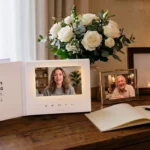
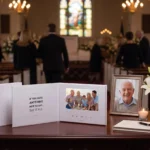
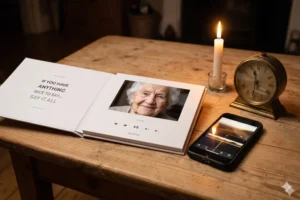
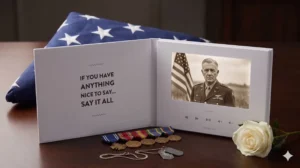
One of the most meaningful elements at many celebrations of life is a video montage that collects short messages from people across the person’s whole life: family in other states, old college roommates, former colleagues, childhood neighbors. Unlike a photo slideshow, a video tribute captures voice, expression, and personality from the people who loved them.
Tribute (tribute.co) is a group video gift platform that lets you collect personal video messages from friends, family, and community into a polished memorial montage. It works by sharing a link: contributors record from any device, no app needed, and Tribute compiles everything automatically.
Best for: Families whose community is spread across different cities or countries.
Why it works: Unlike a photo slideshow that shows the past, a video tribute captures the present voices of people who are grieving alongside you. It gathers 15 to 50 or more individual clips into one coherent story. Over 8 million video messages have been sent through Tribute, and 82% of recipients cry tears of joy when they watch.
👉 Start a free memorial tribute video for your loved one
An activity that reflects who they were
Some families release butterflies or lanterns. Others set up a favorite board game in the corner, organize a group hike to a place the person loved, or ask guests to plant a seed to take home. The activity does not have to be elaborate; it just has to feel true.
Best for: Celebrations where the family wants guests to do something together, not just stand and talk.
Why it works: Shared physical activity creates memories of the gathering itself, layering new bonds on top of shared grief.
A memory or tribute station
A table with blank cards, pens, and a memory jar invites guests to write down a specific memory or note to the family. These can be read aloud at the event or collected and given to the family afterward.
Best for: Guests who are shy about speaking but want to contribute something personal.
Why it works: Written contributions give the family something tangible to return to in the weeks and months after the event.
What are some creative celebration of life ideas?
Families often feel the pressure to get everything right, but the most memorable celebrations of life tend to come from one or two deeply personal touches, not a long list of perfect details.
Consider a few approaches that have resonated with families:
- The favorite meal: Serve the food the person loved most. If they were famous for a chili recipe, make the chili. The smell alone brings them into the room.
- The map wall: For a traveler, a large map with pins showing everywhere they went gives guests a visual sense of their scope.
- The donation table: Instead of flowers, guests bring a donation or written pledge to a cause the person cared about.
- The color dress code: Ask guests to wear a color or pattern the person loved. It changes the room’s entire energy.
- The photo booth: A simple backdrop and a camera invite guests to take photos together, creating new memories at the celebration itself.
- The recipe swap: If the person was a cook, ask guests to bring a printed recipe with a memory attached.
See also: 35 Celebration of Life Ideas for Every Personality
What does a real family’s celebration of life look like?
Consider the experience of one family in the Pacific Northwest who lost their mother after a long illness. She had been a middle school art teacher for 31 years, and her family knew her former students were scattered across three states. They scheduled the celebration six weeks after her death, which gave them time to reach out to those students and collect short video messages from dozens of them.
At the gathering, they played the video on a screen in the corner of the community art center where she had taught summer workshops. Former students, now adults with children of their own, appeared on screen talking about the specific ways she had changed their relationship with art and with themselves. Her daughter later said it was the first time she understood the full shape of her mother’s life outside the family. The video stayed on a loop for the entire three-hour event. Guests kept drifting back to watch it again.
That family did not have a ceremony or a program. They had food, music, art supplies on the tables for anyone who wanted to draw, and the video. It cost almost nothing extra and gave her community a way to be present across distance.
How do you plan a celebration of life?
Planning starts with three questions: Where did this person feel most at home? Who needs to be included, even from far away? What would make them laugh, or feel seen?
From there, the practical steps are straightforward. Choose a venue that matches the tone you want, set a date with enough lead time for people to travel, and build a loose structure for the event rather than a rigid program. Most celebrations benefit from one or two people serving as gentle hosts who can keep things moving without it feeling like a ceremony.
If the logistics feel overwhelming while you are in the middle of grief, it is worth knowing that there are people and tools designed to help. Funeral directors increasingly offer guidance on non-traditional celebrations. Friends and extended family are often looking for something concrete they can do; delegating pieces of the planning is a gift to them as much as to yourself.
See also: How to Plan a Celebration of Life: A Step-by-Step Guide
How do you honor someone who wanted a simple goodbye?
Not everyone wants a large gathering, and families often navigate the tension between the wishes of the person who died and the needs of the community left behind. A celebration of life can be as small as ten people in a living room or as large as a park full of strangers who all knew the same person.
For someone who was private, a small gathering with close family and the option for others to send a recorded message can satisfy both the quiet farewell the person wanted and the community’s need to mark the loss together.
See also: How to Honor the Memory of a Loved One
Frequently Asked Questions About Celebration of Life Services
What is the difference between a celebration of life and a memorial service?
A memorial service is a broad term for any gathering held to remember someone after death, and it often follows traditional religious or cultural formats. A celebration of life is a type of memorial service that places the focus on honoring the person’s individuality, often with a warmer and less formal tone. The two terms are sometimes used interchangeably, but “celebration of life” usually signals a more personalized and flexible event.
Can a celebration of life be held before burial or cremation?
Yes. Unlike a traditional funeral, a celebration of life does not need to be tied to the disposition of remains. Some families hold the celebration before cremation or burial, others hold it after, and some hold it with no connection to either. The timing is entirely a personal choice.
Do you send invitations to a celebration of life?
There are no formal rules, but most families send some form of notice, whether a printed invitation, an email, or a social media post. Because celebrations of life are often scheduled with more lead time than a traditional funeral, a written invitation gives distant guests time to make travel plans. Some families use free online tools to manage RSVPs.
What should guests wear to a celebration of life?
Unless the family specifies a dress code, guests typically wear what they would to a respectful but relaxed gathering. Dark or neutral colors are common out of habit, but many families now ask guests to wear a favorite color or something that reflects the person’s personality. When in doubt, follow any guidance in the invitation or check with a family member.
How long does a celebration of life service last?
Most celebrations of life run between one and three hours. Casual, drop-in formats can extend longer if the family prefers a relaxed open house feel. A structured ceremony with speakers and programming typically runs 60 to 90 minutes. There is no required length, and families should plan for what feels right rather than what seems expected.
Is it appropriate to smile and laugh at a celebration of life?
Yes, and many families specifically hope for laughter. A celebration of life is designed to hold both grief and joy. Sharing a funny memory, laughing at a story, or even crying and laughing at the same time are all natural and welcome. Grief and love do not require silence, and the person being celebrated would likely want the people they loved to feel some lightness in the room.
What is the best way to capture the memories shared at a celebration of life?
A video tribute collected before the event, a memory jar filled with written notes, and a photographer or videographer at the gathering are three strong options. Video is worth considering because it captures voice and expression, not just words. Many families find that a group video collecting messages from people who could not attend becomes one of the most-watched keepsakes in the years that follow.
Can a celebration of life be held outdoors?
Outdoor celebrations are among the most popular formats, especially when the person loved nature, gardening, hiking, or the beach. The main practical considerations are weather backup plans, sound equipment for speeches, and seating for older guests. A covered pavilion, a tent, or simply a flexible indoor option nearby can make an outdoor event work in almost any season.
👉 Create a group video tribute to share at the celebration of life